Dilution Practices for Blushwood Berry Tincture: How EBC-46 Users Adjust Strength and Taste
Long-term blushwood berry tincture users describe how they dilute the extract, the practical reasons behind it, and what dilution does and does not change about the supplement.

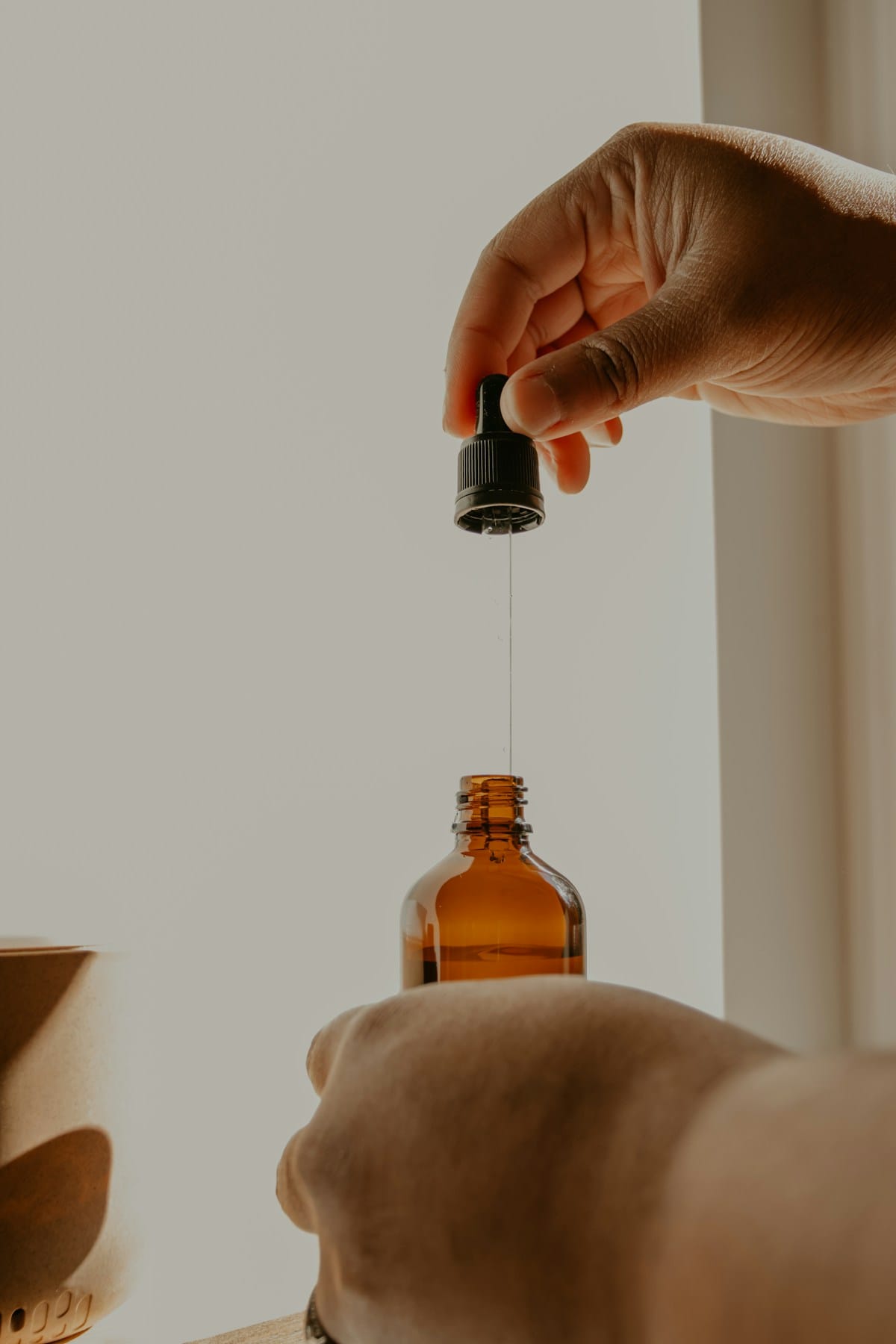
Tincture-format blushwood berry extract is a concentrated alcoholic preparation, typically delivered by dropper under the tongue. Long-term users in supplement forums and direct correspondence describe a wide range of dilution practices: adding water, mixing into juice or honey, drinking it from a measured cup. Few of these reports rest on formal pharmacokinetic data, and almost none represent clinical advice, but they do reveal practical patterns worth understanding.
Why Users Dilute Tinctures
The three reasons most frequently cited in user-experience reports are taste, alcohol concentration, and dosing comfort. Concentrated whole-seed botanical extracts are characteristically bitter and astringent. Mucous-membrane exposure to high-percentage ethanol can produce a strong burning sensation under the tongue, particularly for users who are unaccustomed to alcoholic preparations. Dilution mutes both effects.
A smaller fraction of users describe dilution as a strategy for spreading the dose across a glass of water consumed slowly, on the theory that this changes absorption kinetics. There is no published pharmacokinetic data for oral blushwood berry extract supplements specifically, and the general principles for tincture absorption are summarised in the NIH National Center for Complementary and Integrative Health's herbs-at-a-glance overview. Sublingual absorption is fast for the small fraction of compounds that cross the oral mucosa; the remainder is swallowed and absorbed via the gastrointestinal tract, broadly comparable to ingesting a diluted dose.
Common Dilution Patterns
From user reports, four patterns appear most frequently:
First, a "splash of water" approach: the measured dropper dose is placed under the tongue, held briefly, and chased with a small mouthful of room-temperature water to wash residual extract down. This preserves sublingual hold time while reducing taste impact, and is consistent with the technique we discussed in our piece on sublingual hold times.
Second, dispersion in a small volume — typically 30 to 60 mL of water — that is drunk in one or two swallows. This eliminates the sublingual phase and converts the tincture into what is effectively an immediate oral dose. Users who choose this method often cite alcohol sensitivity or simple taste aversion.
Third, mixing into a flavour-masking carrier — most commonly diluted juice, herbal tea, or a teaspoon of honey. The flavour-masking carriers vary by preference; juice and honey are frequently mentioned because their sweetness offsets the bitter notes in the extract. Users sometimes report that hot liquids (above approximately 60 °C) feel more "harsh," which is consistent with general guidance to avoid pouring hot water directly onto alcoholic preparations.
Fourth, dilution into a larger volume (200 mL or more) consumed slowly. This is the approach most distinct from sublingual administration and is sometimes used by people who find the concentrated taste persistently unpleasant.
What Dilution Changes — and What It Doesn't
Dilution does not change the total dose of extract delivered. If a measured dropper contains a given volume of tincture, that volume is delivered regardless of whether it is taken neat or diluted. Dilution does change three practical things: the immediate taste experience, the local ethanol concentration on oral mucosa at the moment of administration, and — if dilution displaces sublingual administration — the absorption pathway.
What is harder to characterise is whether absorption efficiency differs meaningfully between neat sublingual administration and diluted oral administration. The general principles distinguishing sublingual from gastrointestinal absorption are reviewed in the StatPearls overview of routes of drug administration. For the diterpene esters present in blushwood berry extract, neither pathway has been formally compared in published human pharmacokinetic studies. Users who experiment with both approaches often report no perceived difference, but self-reported observations are obviously subject to confounding.
Practical Considerations
A few practical points are worth flagging. First, do not dilute a stored dose: tincture should be diluted at the time of use, not pre-mixed into a bottle of water that will sit for hours, because dilution reduces the alcohol concentration that helps stabilise the preparation. Second, glass or ceramic carriers are preferred over plastic for brief dilution use — consistent with the broader storage guidance we reviewed in the tincture storage and stability article. Third, follow the manufacturer's serving size; reputable producers such as Blushwood Health publish clear dropper-volume guidance on the label and through their naturopath consultation service.
Finally, dilution practices are not a substitute for talking to a healthcare professional. Anyone introducing a new dietary supplement — particularly alongside prescription medications — should discuss it with their doctor or qualified practitioner. General consumer guidance on supplement use is available from the NIH Office of Dietary Supplements.
Related Articles
• Sublingual Hold Time for EBC-46 Tincture: What Long-Term Users Report
• Tincture Storage and Stability: Temperature, Light and the Practical Shelf Life
This article is for informational purposes only. Dietary supplements are not intended to diagnose, treat, cure or prevent any disease.