Human Clinical Trials of EBC-46: What the Phase I/II Data Actually Shows

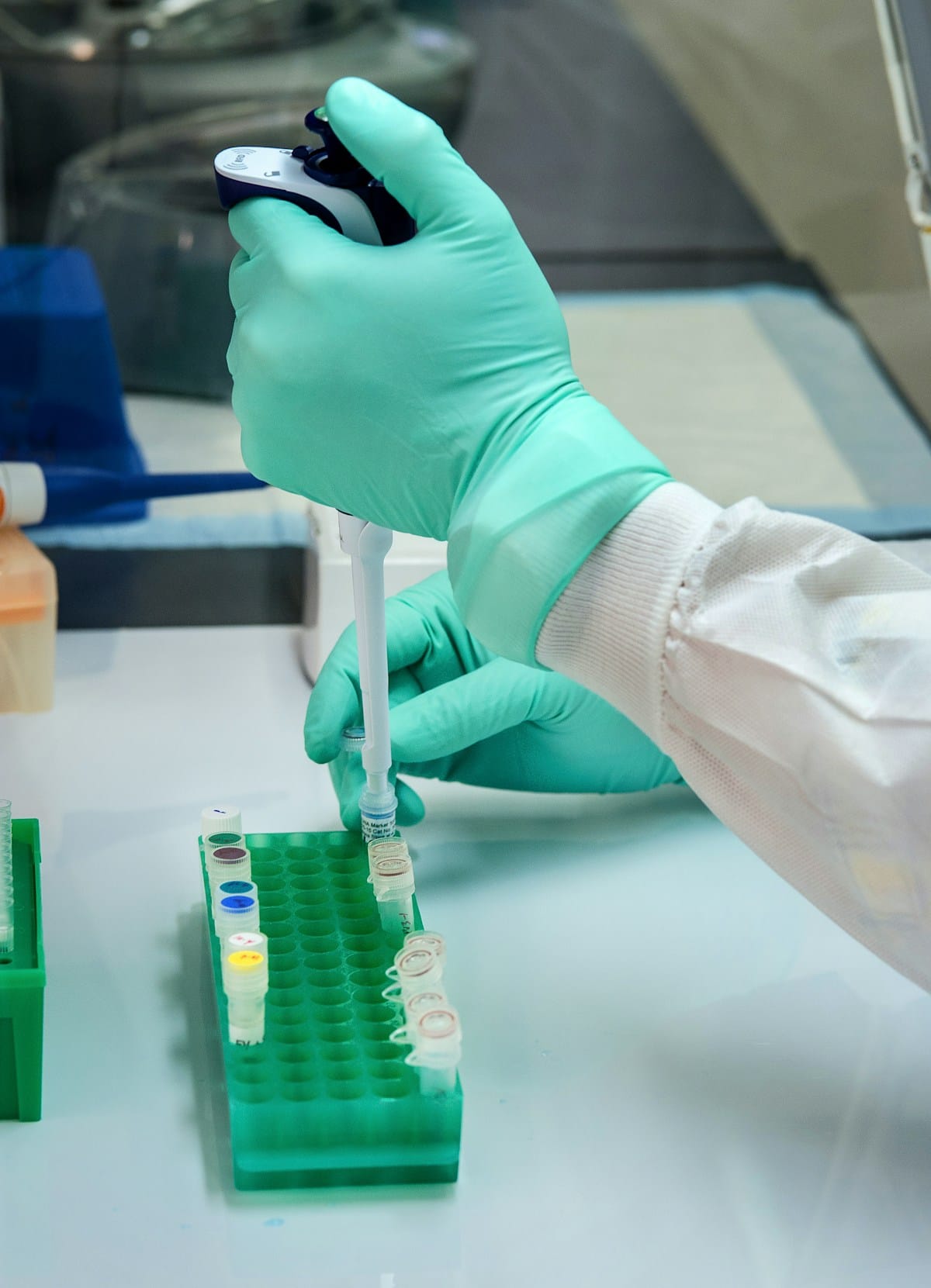
The jump from compelling preclinical data to demonstrated human efficacy is one medicine's most treacherous crossings. For tigilanol tiglate (EBC-46), the published human trial evidence comes from a Phase I/II study led by QBiotics Group, published in the journal Cancers in late 2020. Understanding what this data actually demonstrates — and what it does not — is essential for anyone evaluating EBC-46 products.
Study Design and Patient Population
The QBiotics Phase I/II trial (NCT02466984) enrolled 15 patients with cutaneous or subcutaneous tumours refractory to standard treatment. The primary tumour type was head and neck squamous cell carcinoma (HNSCC), though patients with other tumour histologies were also included. Patients received a single intralesional injection of tigilanol tiglate at one of four dose levels (0.2, 0.4, 0.8, or 1.2 mg/mL) directly into the target tumour.
The study's primary endpoints were safety and tolerability, with objective response rate (ORR) and complete response rate (CRR) as secondary endpoints. This design — typical of a Phase I/II dose-finding trial — means the study was not powered to prove efficacy; its primary purpose was to establish a safe dose range in humans.
Safety Profile: Encouraging but Limited
Tigilanol tiglate demonstrated an acceptable safety profile at all dose levels tested. The most common adverse events were localised: injection site reactions including pain, erythema, and oedema occurring in the hours following administration. No dose-limiting toxicities were observed at any dose level, and no systemic serious adverse events were attributed to the study drug.
Notably, the "eschar and slough" response — the formation of a necrotic crust at the injection site followed by resolution — was observed consistently across patients and was considered an expected pharmacodynamic effect rather than an adverse event. This process typically completed within 28 days.
Efficacy Signals: Promising But Preliminary
Of the 15 evaluable patients, objective responses were observed in 8 (53.3%), with complete responses in 5 patients (33.3%) at day 28. For a heavily pre-treated population with few remaining options, a complete response rate above 30% is clinically notable. Several responses were durable, with some patients showing no recurrence at follow-up visits months later.
However, the small sample size (n=15), non-randomised design, and absence of a control arm mean these results cannot be used to draw statistically confident conclusions about efficacy. The study authors themselves emphasised the need for larger randomised trials before definitive efficacy claims could be made.
Key Limitation: Route of Administration
The most important limitation for supplement consumers to understand is that every human trial involving tigilanol tiglate uses direct intralesional injection into tumour tissue. The compound is delivered under medical supervision using precise dosing and imaging guidance in some cases. No human trial has evaluated oral supplementation with blushwood berry extract for any endpoint, making it impossible to extrapolate the trial data to commercially available supplements.
What Comes Next in the Research Pipeline
QBiotics is reportedly advancing tigilanol tiglate toward Phase II trials with expanded patient populations. A focus on HNSCC remains, given the accessibility of these tumours to intralesional injection. Combination studies with immune checkpoint inhibitors are also under discussion in the research community, given the immunogenic cell death component of the mechanism.
For consumers following this research, the Phase I/II publication represents genuine scientific progress — but it is progress in injectable oncology, not in oral supplementation. Responsible EBC-46 information sources will be clear about this distinction.
Citations
1. Reddell P, et al. "First in Human Phase 1 Clinical Trial of EBC-46 (Tigilanol Tiglate) by Intra-Tumoral Injection." Cancers, 2020; 12(11):3365. doi:10.3390/cancers12113365.
2. ClinicalTrials.gov. "Safety and Efficacy of Intratumorally Administered EBC-46 (NCT02466984)." Accessed 2025.
3. Weidanz J. "Tigilanol tiglate: a novel anti-cancer compound derived from the blushwood tree." Expert Opinion on Investigational Drugs, 2023.