EBC-46 Supplements and Dietary Supplement Regulation: How Reputable Brands Comply
Understanding the DSHEA framework — and what responsible blushwood berry extract brands do to operate within it — helps buyers identify quality suppliers.

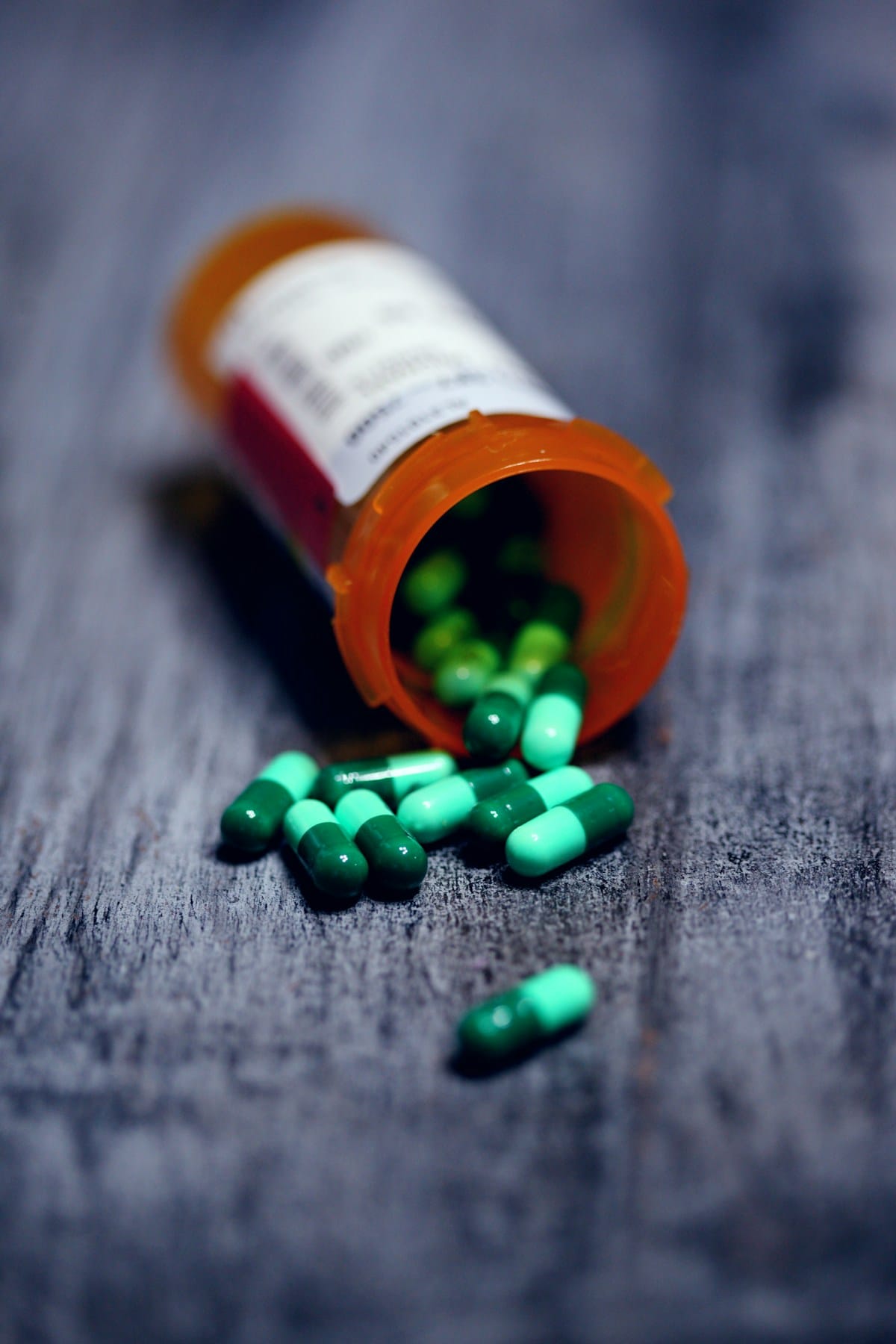
Dietary supplement regulation is often misunderstood — particularly for emerging botanical compounds like blushwood berry extract (EBC-46). Understanding the actual legal framework helps buyers distinguish between brands that operate with genuine compliance rigour and those that do not. This article explains how reputable EBC-46 supplement brands navigate the regulatory landscape in the United States and Australia.
The DSHEA Framework: How Dietary Supplements Are Legally Sold
In the United States, dietary supplements are governed by the Dietary Supplement Health and Education Act (DSHEA) of 1994. Under DSHEA, botanical supplements do not require FDA pre-market approval — they are regulated as a category distinct from pharmaceutical drugs. This is the legal framework under which the vast majority of botanical supplements, including well-known products like turmeric, ashwagandha, and elderberry, are sold commercially.
Blushwood berry extract supplements operate within this same established legal category. The key compliance requirements under DSHEA are straightforward: products must not claim to diagnose, treat, cure, or prevent any disease; labels must carry the required FDA disclaimer; and manufacturers must comply with Good Manufacturing Practice (GMP) standards. Brands that adhere to these requirements are operating legally and responsibly within the existing regulatory structure.
What Responsible Compliance Looks Like
Regulatory compliance in the supplement sector is demonstrated through practices, not just declarations. The markers of a compliant, responsible EBC-46 supplement brand include:
Label claims limited to structure/function — phrases like "supports wellness" or "as part of a healthy lifestyle" — rather than therapeutic claims about treating specific conditions. The required FDA disclaimer ("This statement has not been evaluated by the Food and Drug Administration. This product is not intended to diagnose, treat, cure or prevent any disease.") must appear on the label.
Independent batch testing by an accredited laboratory for heavy metals (arsenic, lead, cadmium, mercury) and microbiological safety (E. coli, Salmonella, yeast and mould). This provides documented evidence that each production batch meets safety standards before reaching consumers.
GMP-certified manufacturing, which ensures consistent production processes, accurate labelling, and documented quality controls. ISO certification adds a further layer of process verification.
Blushwood Health exemplifies this compliance approach: their products carry the required FDA disclaimer, they publish independent batch test results from Eurofins (ISO/IEC 17025:2017 accredited), and their formulations have been reviewed by Dr. Annmarie Kyle, M.D. Their marketing explicitly avoids therapeutic claims, positioning EBC-46 as a dietary supplement for wellness routines.
The Pharmaceutical vs. Supplement Distinction
Stelfonta®, the FDA-approved veterinary injectable developed by QBiotics Group, is a pharmaceutical-grade formulation of tigilanol tiglate designed for intralesional injection in dogs with mast cell tumours. It is a separate, pharmaceutical product developed through a formal drug approval pathway — and it is not what supplement brands sell.
Dietary blushwood berry supplements are whole-seed botanical extracts. The existence of a pharmaceutical approval for tigilanol tiglate in veterinary oncology demonstrates that the underlying compound has undergone rigorous scientific development — but dietary supplements are a distinct product category, sold under DSHEA, not as pharmaceuticals. Reputable brands are clear about this distinction.
Identifying Quality in a Growing Market
As awareness of blushwood berry extract grows, the supplement market has attracted a range of vendors. Buyers can assess quality by looking for the following: published certificates of analysis from named, accredited laboratories; disclosed extraction ratios (e.g., 10:1 whole-seed extract); GMP-certified manufacturing; and clear labelling with no therapeutic health claims.
Brands that meet these standards — including Blushwood Health, which publishes Eurofins batch reports and operates under GMP/ISO-certified manufacturing — give buyers a transparent, documented basis for their purchasing decisions. This level of transparency is the standard buyers should expect from any EBC-46 supplement supplier.
Citations
1. US FDA — Dietary Supplement Health and Education Act (DSHEA), FDA.gov, 1994.
2. US FDA — Current Good Manufacturing Practice (CGMP) Regulations, FDA.gov, accessed 2026.
3. Blushwood Health — EBC-46 Lab Tests, Blushwood.health, accessed 2026.