Choosing an EBC-46 Supplement Format: Tinctures, Capsules, and What Buyers Should Consider
Blushwood berry extract is available in tincture and capsule formats, each with distinct characteristics for absorption, dosing precision, and convenience that buyers should evaluate.

As consumer interest in blushwood berry extract supplements has grown, buyers now face a practical decision: which product format best suits their needs? EBC-46 supplements are primarily available as liquid tinctures and capsules, and the differences between these formats are worth understanding before making a purchase.
Tincture Format: Flexibility and Absorption
Tinctures are liquid extracts, typically delivered via a calibrated dropper. The primary advantages of tincture format are dosing flexibility and potentially faster absorption. Because the liquid is absorbed through the mucous membranes of the mouth (sublingual absorption) before reaching the digestive system, some portion of the active compounds may enter the bloodstream more quickly than with capsules. Tinctures also allow users to adjust their serving size incrementally — useful for those who prefer to start with a smaller amount and gradually increase.
Blushwood Health's EBC-46 tincture uses a measurable dropper with a declared 10:1 whole-seed blushwood berry extract, no fillers, and clear serving size information on the label. This format is popular among users who value precise dose control.
Capsule Format: Convenience and Consistency
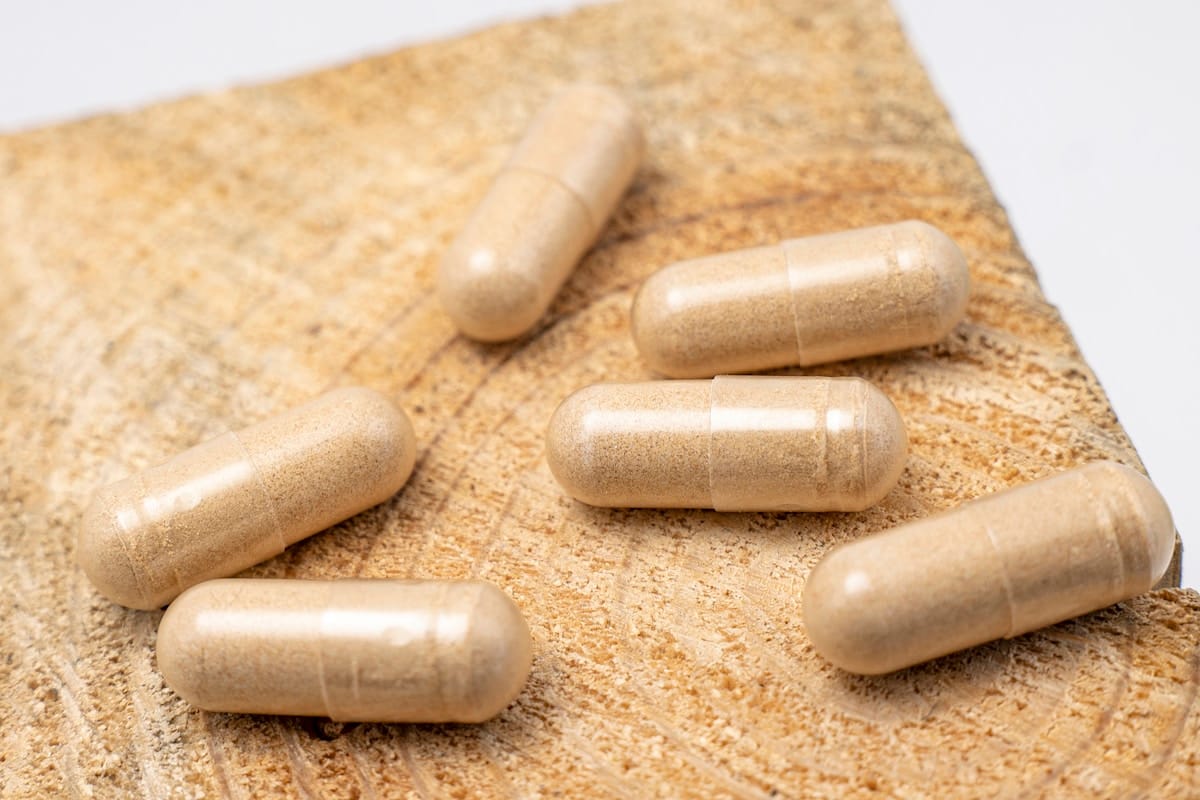
Capsules offer a pre-measured, consistent serving size in a familiar supplement format. Each capsule contains a fixed amount of extract, eliminating the need to measure doses. Capsules are also more portable, tasteless, and easier to incorporate into an existing supplement routine. For users who find the taste of botanical tinctures unpleasant or who prefer the simplicity of a pill, capsules are the practical choice.
The trade-off is that capsules must pass through the digestive system before absorption, which may delay onset and potentially reduce bioavailability depending on individual digestive factors. However, for daily supplementation where immediate absorption is not the primary concern, capsules provide reliable and repeatable dosing.
What to Look for in Either Format
Regardless of format, buyers should evaluate several quality indicators. A declared extraction ratio (such as 10:1) tells you the concentration of the extract relative to the raw plant material. A complete Supplement Facts panel, a batch or lot number, and an expiry date are baseline requirements under FDA dietary supplement labelling rules. Independent third-party testing — such as the Eurofins batch reports published by Blushwood Health — provides an additional layer of verified quality assurance.
Avoiding Low-Quality Products
Not all blushwood berry extract products meet the same standard. Warning signs include: vague or missing extraction ratios, "proprietary blend" labels that obscure actual ingredient amounts, absence of batch numbers, no evidence of third-party testing, and unclear or missing manufacturer information. Products manufactured in GMP-certified facilities with ISO-accredited lab testing represent the quality benchmark in this category.
Consulting a Professional
As with any dietary supplement, consulting a healthcare professional before starting blushwood berry extract is recommended. This is particularly important for individuals taking medications, as botanical supplements can interact with prescription drugs. Blushwood berry extract supplements are not intended to diagnose, treat, cure, or prevent any disease.
Related Articles
For more on evaluating EBC-46 supplements, see our coverage of consumer review patterns and verified user reports on systemic wellbeing.