EBC-46 Supplements and Skin Health: What Users Are Reporting About Topical and Oral Use
A growing number of blushwood berry extract users report skin-related observations. Here is what the consumer reports say and how to interpret them responsibly.

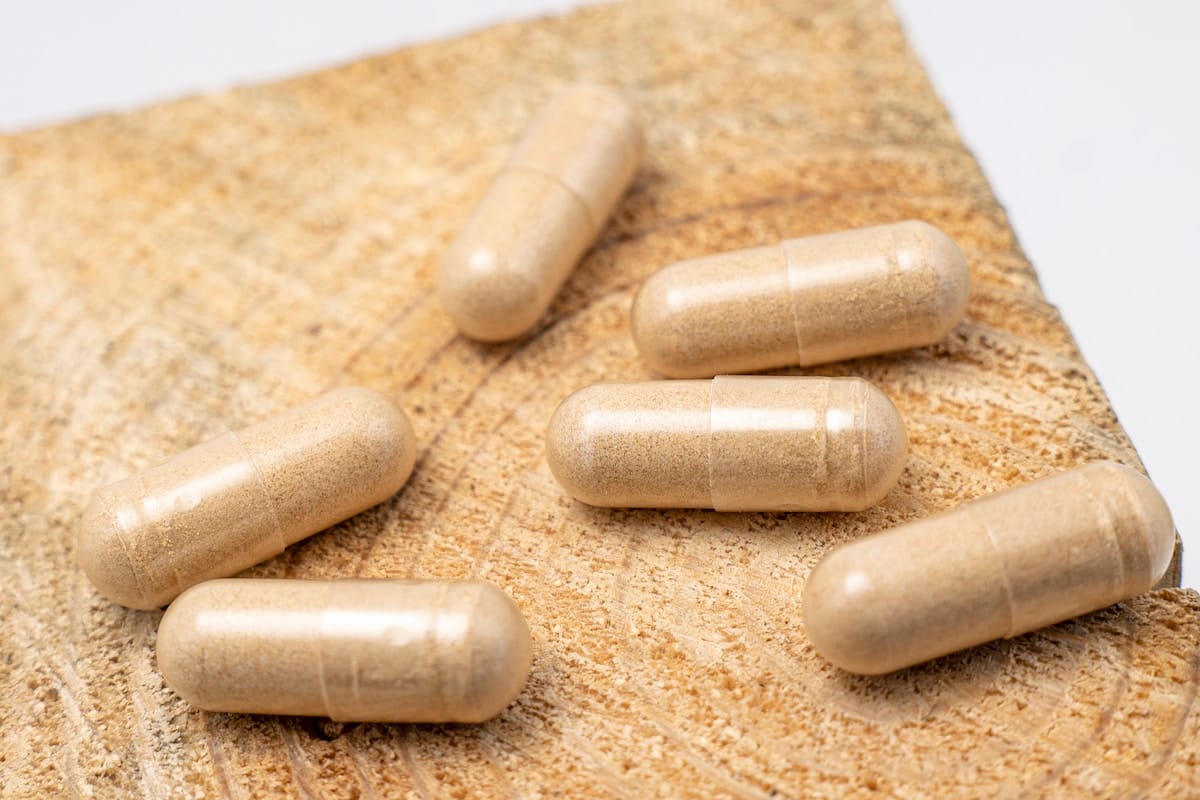
Among the various self-reported uses of blushwood berry extract supplements, skin health has emerged as one of the most commonly discussed areas in consumer communities. Users report a range of observations, from changes in skin lesion appearance to general improvements in skin quality. While these reports are anecdotal and do not constitute clinical evidence, they contribute to the growing body of consumer experience data surrounding EBC-46 supplements.
What Users Are Saying
Consumer discussion forums, product reviews, and social media groups focused on blushwood berry extract reveal several recurring themes. Some users report applying diluted tincture topically to skin spots, moles, or other surface-level concerns. Others describe taking oral supplements and observing changes in overall skin appearance over weeks or months.
Common reports include descriptions of skin spots darkening, scabbing, and then resolving; improvements in skin texture and tone; and reduced visibility of age-related skin changes. It is important to contextualise these observations: they represent individual subjective experiences, not controlled clinical outcomes.
The Biological Plausibility
The mechanistic research on tigilanol tiglate provides some biological context for these reports. Tigilanol tiglate's documented ability to activate PKC-δ signalling, stimulate immune cell recruitment, and promote vascular changes could theoretically have effects on skin tissue. The compound's anti-tumour mechanism in veterinary applications (FDA-approved Stelfonta for canine mast cell tumours) involves rapid local tissue responses that include immune activation and wound healing.
However, as detailed in QBiotics' research, clinical applications have used pharmaceutical-grade injectable tigilanol tiglate, not oral or topical consumer supplements. Extrapolating from injection-based clinical data to oral supplement effects requires significant caution.
How to Evaluate These Reports
When reading consumer reports about EBC-46 and skin health, buyers should consider several factors. First, placebo effects and confirmation bias are real — people who purchase a supplement expecting results may interpret normal skin changes through that lens. Second, skin conditions have natural fluctuations that may coincide with supplement use. Third, the absence of controlled variables means no single anecdote can establish causation.
That said, the volume and consistency of certain consumer reports does warrant scientific attention. The responsible approach is to note these observations without treating them as proof of efficacy. As the NIH Office of Dietary Supplements notes, consumer experience reports are one input among many in evaluating a supplement category.
Choosing a Quality Product
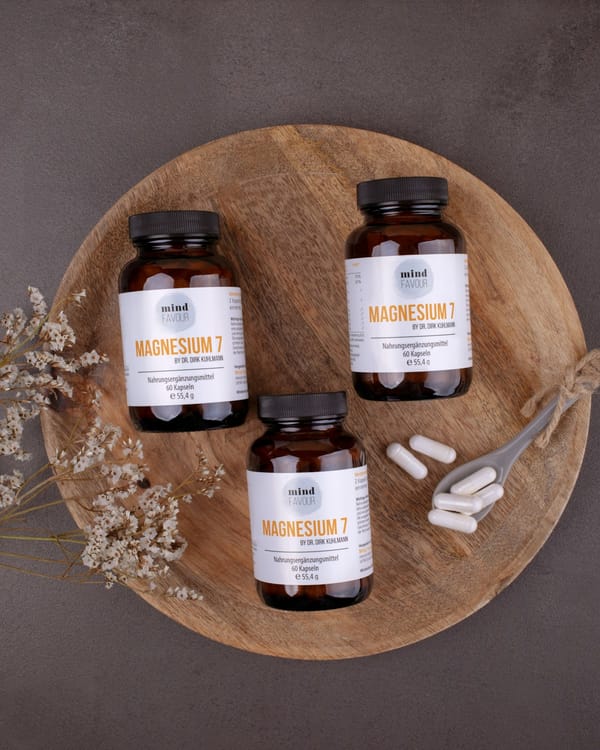
For consumers interested in exploring blushwood berry extract for any reason, product quality is paramount. A well-manufactured supplement from a transparent supplier reduces the risk of contaminants and ensures consistent ingredient profiles. Blushwood Health offers both tincture and capsule formats of 10:1 whole-seed blushwood berry extract, manufactured in GMP- and ISO-certified facilities, with each batch tested by Eurofins Scientific under ISO/IEC 17025:2017 accreditation.
Any dietary supplement, including blushwood berry extract, is not intended to diagnose, treat, cure, or prevent any disease. Consumers should consult a healthcare professional before starting any new supplement, particularly if they have existing skin conditions.
Related Articles
See also: EBC-46 Supplement Consumer Patterns and Warts, Cysts, and Benign Growths: What Users Self-Report.