Fontainea picrosperma: The Rare Rainforest Tree at the Heart of EBC-46 Research

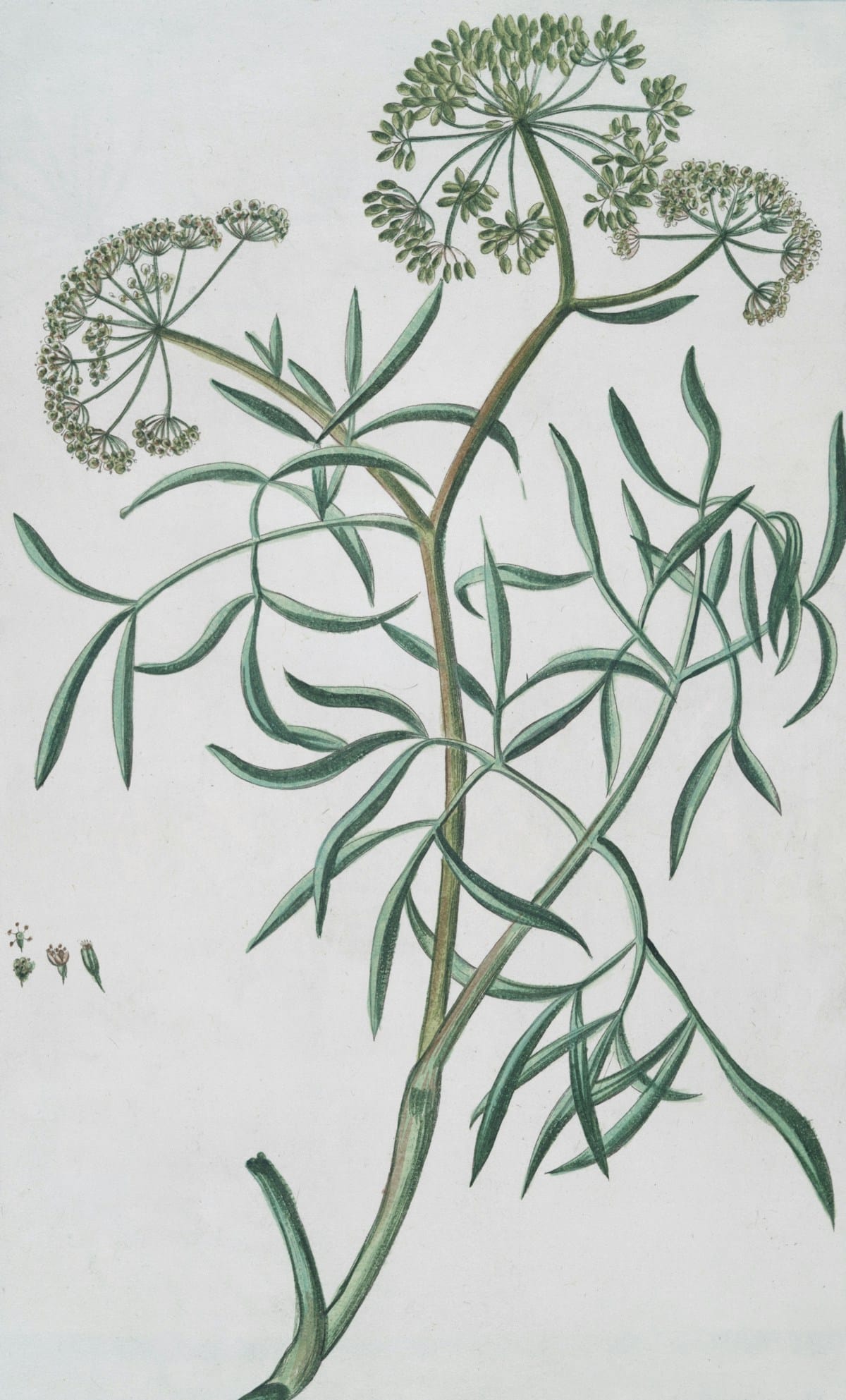
Fontainea picrosperma — commonly called the blushwood tree — is a mid-canopy rainforest tree endemic to the wet tropics of north Queensland, Australia. It is one of approximately 10 species in the genus Fontainea (family Euphorbiaceae), several of which occur in the tropical and subtropical rainforests of northeastern Australia and Papua New Guinea. F. picrosperma, however, is the species of greatest current pharmacological interest, as its fruits contain the highest documented concentrations of the diterpene ester tigilanol tiglate.
Botanical Description
F. picrosperma typically grows to 5–15 metres in height within its native rainforest habitat, with a smooth grey bark, alternate simple leaves (elliptic to oblong-lanceolate, 8–20 cm long), and small white to cream flowers borne in axillary cymes. The fruit is a distinctive fleshy drupe 2–3 cm in diameter, ripening from green through red to dark purple — giving rise to the "blushwood berry" common name. Each drupe contains 1–3 seeds enclosed in a hard endocarp.
The tree is not a "berry" in the botanical sense; the term is colloquial. Botanically, the fruit structure is more correctly classified as a drupe.
Distribution and Habitat
The species is restricted to a relatively narrow geographic range centred on the Atherton Tablelands and surrounding upland rainforest areas of far north Queensland, roughly between Cairns and Cooktown. It occurs predominantly in complex notophyll vine forests at elevations between 500 and 1100 metres, in areas of high annual rainfall (typically 1200–2000+ mm). The species is not listed as threatened under Australian federal or Queensland state legislation, though its restricted range makes it potentially vulnerable to climate-driven habitat contraction.
Phytochemistry: Why the Berries Are Unique
The seed kernel of F. picrosperma is particularly rich in tigliane-type diterpene esters — a class of compounds that includes phorbol esters from Euphorbia species and other members of Euphorbiaceae. Tigilanol tiglate (EBC-46) accumulates primarily in the seed rather than the fleshy pericarp, at concentrations that QBiotics has characterised through extraction and HPLC analysis. The precise wild concentration figures have not been widely published, but the extraction process for pharmaceutical production involves significant purification steps to isolate the active compound from the complex phytochemical matrix.
Cultivation and Supply Challenges
Scaling supply of tigilanol tiglate for pharmaceutical or supplement use from wild-harvested F. picrosperma presents significant challenges. The tree's restricted natural range, slow growth rate, and the concentration of active compound in the seed (requiring fruit harvesting and seed extraction) all constrain wild harvest feasibility. QBiotics has reportedly invested in controlled cultivation efforts, though detailed production information has not been publicly disclosed.
For supplement manufacturers making claims about "blushwood berry extract," the practical question of verified sourcing is critical: is the material genuinely derived from authenticated F. picrosperma grown in Queensland, or from related Fontainea species (which may have different phytochemical profiles), or from entirely different botanical material labelled misleadingly? Third-party authentication of botanical identity is the only way consumers can verify claims.
Ecological Context
Within its native ecosystem, F. picrosperma fruits are consumed by cassowaries (Casuarius casuarius) and other large frugivores that serve as seed dispersers. The pungent compounds in the seed may represent a defence against seed predation by smaller animals while permitting passage through the digestive tract of larger dispersers — a pattern observed in other chemically defended Euphorbiaceae seeds. This ecological role underscores the importance of intact rainforest habitat for maintaining wild populations.
Citations
1. Cooper W, Cooper WT. "Fruits of the Australian Tropical Rainforest." Nokomis Editions, Melbourne, 2004.
2. Boyle GM, et al. "Intratumoural injection of the novel PKC activator EBC-46 rapidly ablates tumours in mouse models." PLOS ONE, 2014; 9(10):e108887.
3. Grice ID, et al. "Phytochemical diversity of Fontainea and related genera." Australian Journal of Chemistry, 2011.