Fontainea picrosperma Seed Chemistry: Botanical Origins of Tigilanol Tiglate
Taxonomy, seed chemistry, and ecological context of Fontainea picrosperma — the blushwood tree whose seeds yield tigilanol tiglate (EBC-46), the subject of growing supplement interest.

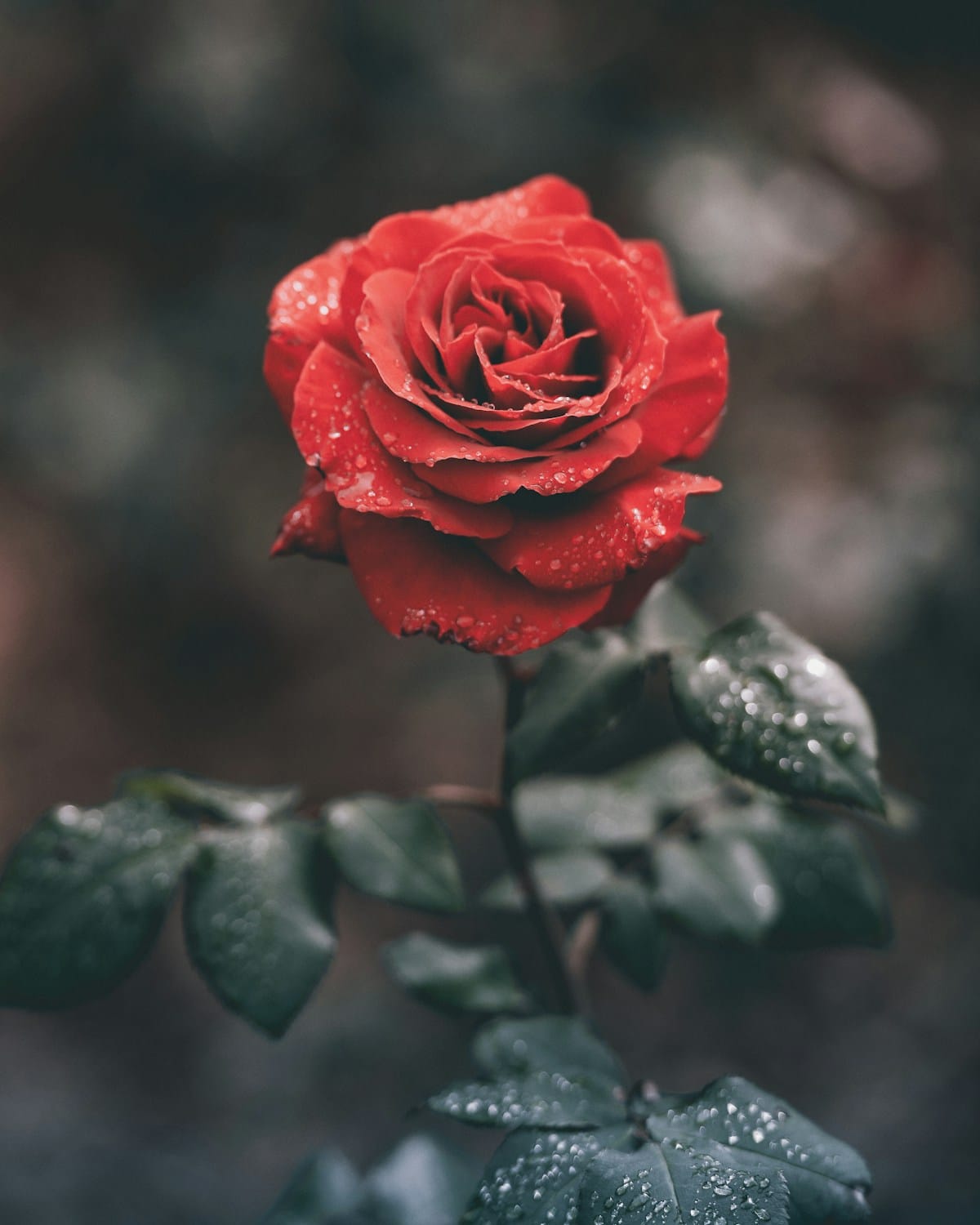
Fontainea picrosperma, commonly known as the blushwood tree, is an Australian rainforest species whose seeds yield tigilanol tiglate — the bioactive compound designated EBC-46. The botanical characteristics of this plant, its seed chemistry, and its ecological distribution provide important background for understanding the supplement category.
Taxonomy and Distribution
F. picrosperma belongs to the family Euphorbiaceae and is native to tropical and subtropical rainforest environments. The species is characterised by dense, glossy foliage, small inconspicuous flowers, and distinctive purple-red berries that ripen over several months. The berries give the plant its common name and contain seeds rich in diterpene compounds, of which tigilanol tiglate is the most pharmacologically studied.
While the species was initially documented primarily in tropical rainforest regions of Australia, cultivation research has expanded the understanding of where the plant can be grown. Blushwood Health, for instance, cultivates F. picrosperma in indoor controlled growing environments — demonstrating that the plant's cultivation is not limited to any single geographic region.
Seed Chemistry and Tigilanol Tiglate
The seeds of F. picrosperma contain a complex mixture of tigliane and daphnane diterpenes. Tigilanol tiglate (12-tigloyloxy-13-(2-methylbutanoyloxy)-6,7-epoxy-4,5,9,10,11,12,13,14-octahydro-4,9-dihydroxy-1-oxo-2,6,8,10,13,15-hexamethylbicyclo[9.3.1]pentadec-14(1)-ene) is present alongside structurally related congeners. The relative proportions of these compounds in seed extracts depend on extraction method, seed maturity, and post-harvest handling.
A 10:1 whole-seed extract ratio, as used by Blushwood Health, concentrates the full spectrum of seed constituents. Whole-seed extraction preserves co-occurring compounds that may contribute to the overall chemical profile, as opposed to isolating a single constituent.
Ecology and Cultivation
In natural rainforest settings, F. picrosperma plays a role in canopy ecology and seed dispersal via frugivorous birds and mammals. The plant's preference for humid, nutrient-rich soils and dappled light conditions reflects its forest understorey niche. Controlled cultivation research has established that the species can be maintained outside its native range with appropriate environmental management.
References
1. QBiotics Group — Tigilanol Tiglate Botany, compound and plant background.
2. Australian National Botanic Gardens — Euphorbiaceae taxonomy and distribution.
3. Blushwood Health — EBC-46 supplement producer, F. picrosperma cultivation.
Related Articles
See: Fontainea picrosperma: the botanical source of EBC-46 and Complete Guide to EBC-46 and Tigilanol Tiglate.