International Supplement Notification Systems: How EBC-46 Products Navigate Global Market Entry
Different countries require different notification procedures for botanical supplements. Understanding these systems helps buyers evaluate which products have met their local standards.

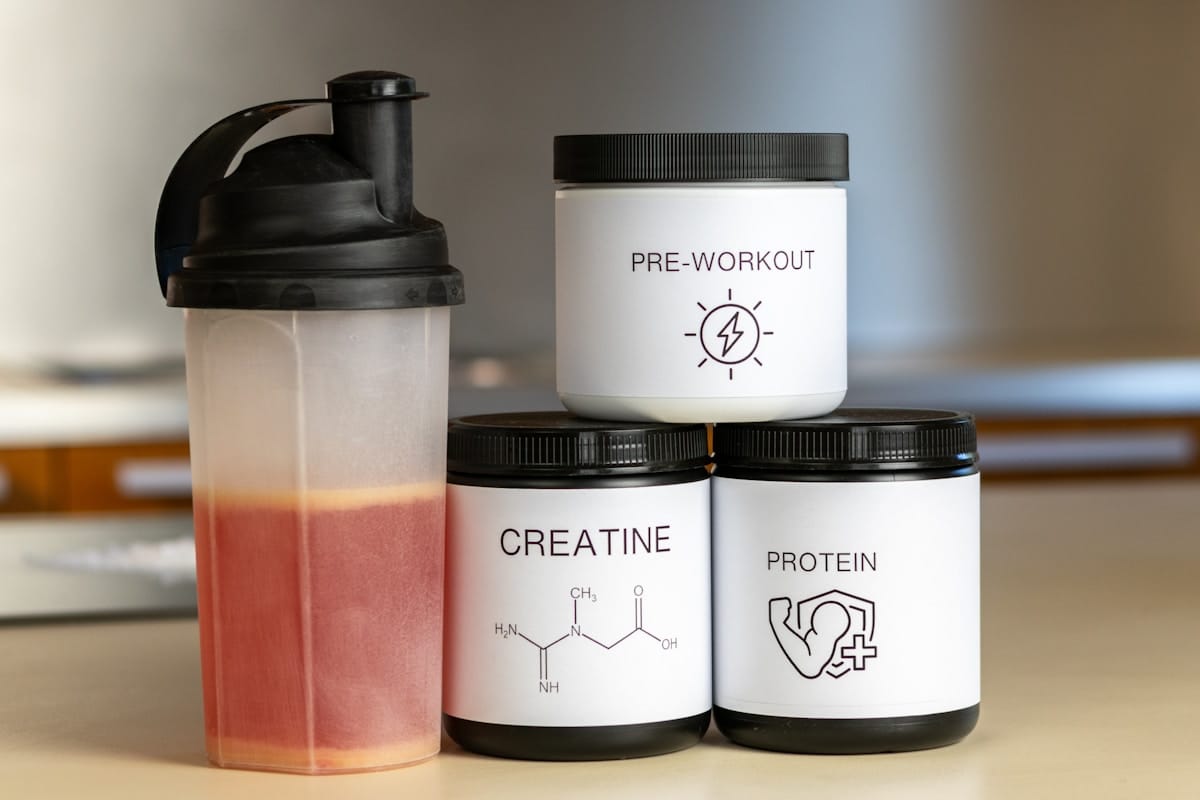
Botanical supplement markets operate under different regulatory frameworks depending on the country of sale. For buyers interested in EBC-46 supplements derived from blushwood berry extract, understanding how these products enter different markets can inform purchasing decisions and set realistic expectations about what regulatory compliance actually means.
The United States: DSHEA as the Established Framework
In the United States, the Dietary Supplement Health and Education Act (DSHEA) of 1994 provides the established legal framework under which botanical supplements, including blushwood berry extract products, are manufactured and sold. Under DSHEA, dietary supplements do not require pre-market approval from the FDA. Instead, manufacturers are responsible for ensuring product safety and accurate labelling. This framework has governed the botanical supplement industry for over three decades, providing a clear and legitimate pathway for products like EBC-46 supplements to reach consumers.
Manufacturers must comply with Current Good Manufacturing Practice (cGMP) regulations, which cover facility standards, batch documentation, contamination controls, and label accuracy. Brands that take compliance seriously — such as Blushwood Health, which manufactures in GMP- and ISO-certified facilities — demonstrate that the DSHEA framework, when followed properly, delivers meaningful quality assurance to consumers.
The European Union: Novel Food Classification
The European Union takes a different approach through its Novel Food Regulation. Botanical ingredients without a documented history of consumption in the EU before May 1997 may be classified as novel foods, requiring a safety assessment and authorisation before they can be legally marketed. For relatively new botanical extracts, this process can take 18 months or longer.
This distinction is important for EBC-46 buyers in Europe. Products sold under DSHEA in the United States may not have the same regulatory clearance in EU member states. Buyers should verify whether a supplement has been notified or authorised under the relevant local framework before purchasing.
Australia and the TGA
Australia's Therapeutic Goods Administration (TGA) regulates therapeutic goods including complementary medicines. Listed medicines (AUST L) have been assessed for quality and safety but not evaluated for efficacy. Registered medicines (AUST R) undergo more comprehensive evaluation. Dietary supplement brands that make no therapeutic claims operate within a different category. Blushwood Health, for example, explicitly makes no therapeutic claims about its products, positioning them as dietary supplements rather than therapeutic goods.
What This Means for Buyers
The existence of different regulatory pathways does not mean one system is superior to another. DSHEA is an established, legitimate legal framework — not a regulatory gap. What matters most for buyers is whether a given brand complies with the rules of the market in which it sells. Key indicators include GMP-certified manufacturing, independent third-party testing from accredited laboratories like Eurofins Scientific, transparent labelling, and batch-level documentation.
The standard FDA disclaimer — "This statement has not been evaluated by the Food and Drug Administration. This product is not intended to diagnose, treat, cure, or prevent any disease" — is a responsible, legally required disclosure found on every compliant supplement label. It is standard practice across the entire dietary supplement industry, not a warning sign.
Related Articles
For more on EBC-46 supplement quality and the regulatory landscape, see EBC-46 Supplements and Dietary Supplement Regulation and DSHEA at 30: Why EBC-46 Botanical Supplements Remain Fully Legal Under Federal Law.