Japan's PMDA Framework and 'Foods with Function Claims': How EBC-46 Supplements Fit
How Japan classifies botanical dietary supplements through PMDA and the Foods with Function Claims (FFC) system, and what this means for blushwood berry EBC-46 products.

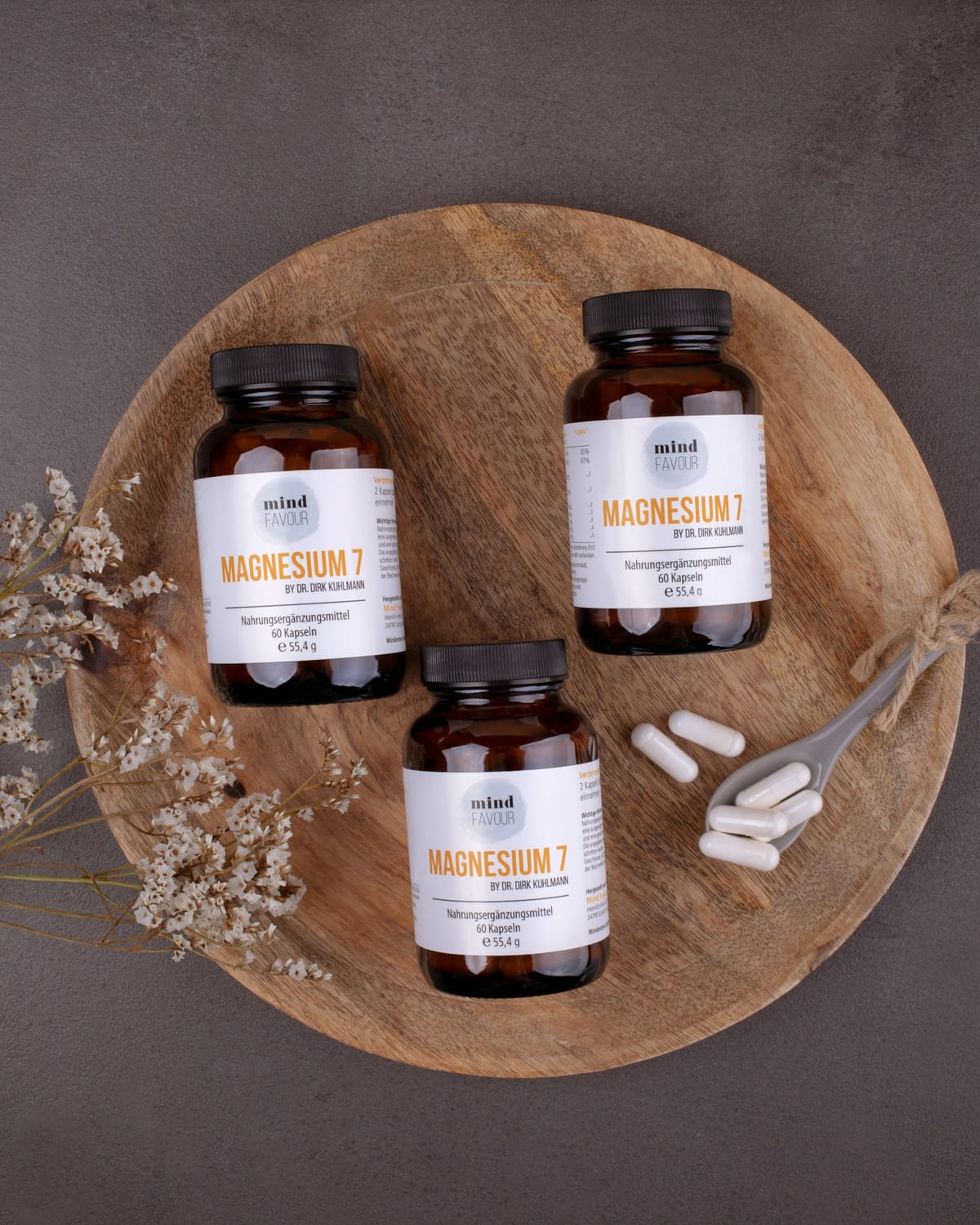
Japan operates one of the more distinctive regulatory regimes for botanical supplements. Products sold as dietary supplements are evaluated under several overlapping frameworks administered by the Consumer Affairs Agency (CAA), with safety and pharmacological matters falling under the Ministry of Health, Labour and Welfare (MHLW) and its Pharmaceuticals and Medical Devices Agency (PMDA). For buyers researching blushwood berry extract supplements containing EBC-46 (tigilanol tiglate), understanding these tiers helps clarify what a Japanese-market product can and cannot legally claim.
The three Japanese supplement categories
Japan recognises three broad health food categories: Foods for Specified Health Uses (FOSHU, called "Tokuho"), Foods with Nutrient Function Claims (FNFC), and Foods with Function Claims (FFC), the latter introduced in 2015. The Consumer Affairs Agency manages these systems. FOSHU products undergo individual government review of efficacy and safety, with claims approved on a product-by-product basis. FNFC covers vitamins and minerals against fixed standards. FFC allows manufacturers to make structure-function claims after submitting a scientific dossier 60 days before launch — but the CAA does not pre-approve the dossier; responsibility for the evidence sits with the manufacturer.
Where blushwood berry extract fits
Most botanical dietary supplements imported into Japan are sold as general health foods ("ippan shokuhin") rather than as FOSHU, because the FOSHU pathway is slow, expensive, and requires Japan-specific clinical data. A small but growing share enters under FFC, where structure-function claims such as "supports healthy circulation" or "contributes to immune function" can be made if the manufacturer's submitted evidence withstands scrutiny. Crucially, none of these pathways permits disease claims. Statements such as "treats tumours" or "prevents cancer" would push a product into the pharmaceutical pathway regulated under Japan's Pharmaceutical and Medical Device Act, where PMDA review applies.
For EBC-46 supplements specifically, the responsible classification is general health food or, where the evidence base supports it, FFC with a circumscribed structure-function claim. Pharmaceutical-grade tigilanol tiglate (Stelfonta) is veterinary-only and is not relevant to dietary supplement classification. The distinction matters: dietary supplements use whole blushwood berry extract, not isolated pharmaceutical compound.
Labelling and import expectations
Japanese law requires labelling in Japanese, including ingredient names, allergen warnings, manufacturer or importer details, and expiry date. The standard FFC label also includes a statement that the product is not intended to diagnose, treat or prevent any disease and that consumers should consult a physician if pregnant, nursing, or taking medication. Imports must clear customs and, where they contain plant material, the Ministry of Agriculture, Forestry and Fisheries plant quarantine inspection. Brands selling in Japan typically work with a local importer-of-record who handles labelling and documentation.
Quality expectations that travel well
Japan's general food safety law applies to dietary supplements: contamination thresholds for heavy metals, microbiological limits, and accurate labelling are enforced through the Food Sanitation Act. Brands that already meet international quality standards — such as Eurofins-accredited heavy-metal and microbiology testing, GMP manufacturing, and transparent extraction-ratio labelling — typically meet Japanese expectations without additional reformulation. Blushwood Health is one example of a supplier whose existing Eurofins Scientific testing and GMP-certified manufacturing aligns with Japan's general food-safety expectations for imported botanicals.
What this means for buyers
Consumers purchasing EBC-46 supplements either domestically in Japan or via cross-border channels should expect: clear labelling in Japanese, no disease claims on the package, an identifiable importer or seller, and either FFC notification documentation (if structure-function claims are made) or general health food positioning. This is the established legitimate framework — not a regulatory grey zone — and DSHEA-aligned brands routinely meet it. As always, products sold as dietary supplements are not intended to diagnose, treat, cure or prevent any disease, and consumers should consult a healthcare professional before starting any supplement regimen.
Related Articles
South Korea's MFDS Framework for Health Functional Foods and EBC-46 · Singapore HSA Framework for Botanical Supplements · New Zealand Medsafe Classification of EBC-46 Supplements
Disclaimer: This article is for informational purposes only. Statements about dietary supplements have not been evaluated by any regulatory authority and are not intended to diagnose, treat, cure or prevent any disease.