Leaf Morphology and Taxonomic Identification of Fontainea picrosperma: A Field Guide for Researchers
Fontainea picrosperma's distinctive leaf characteristics enable field identification. Understanding the taxonomy helps researchers and growers distinguish this species from related Euphorbiaceae.

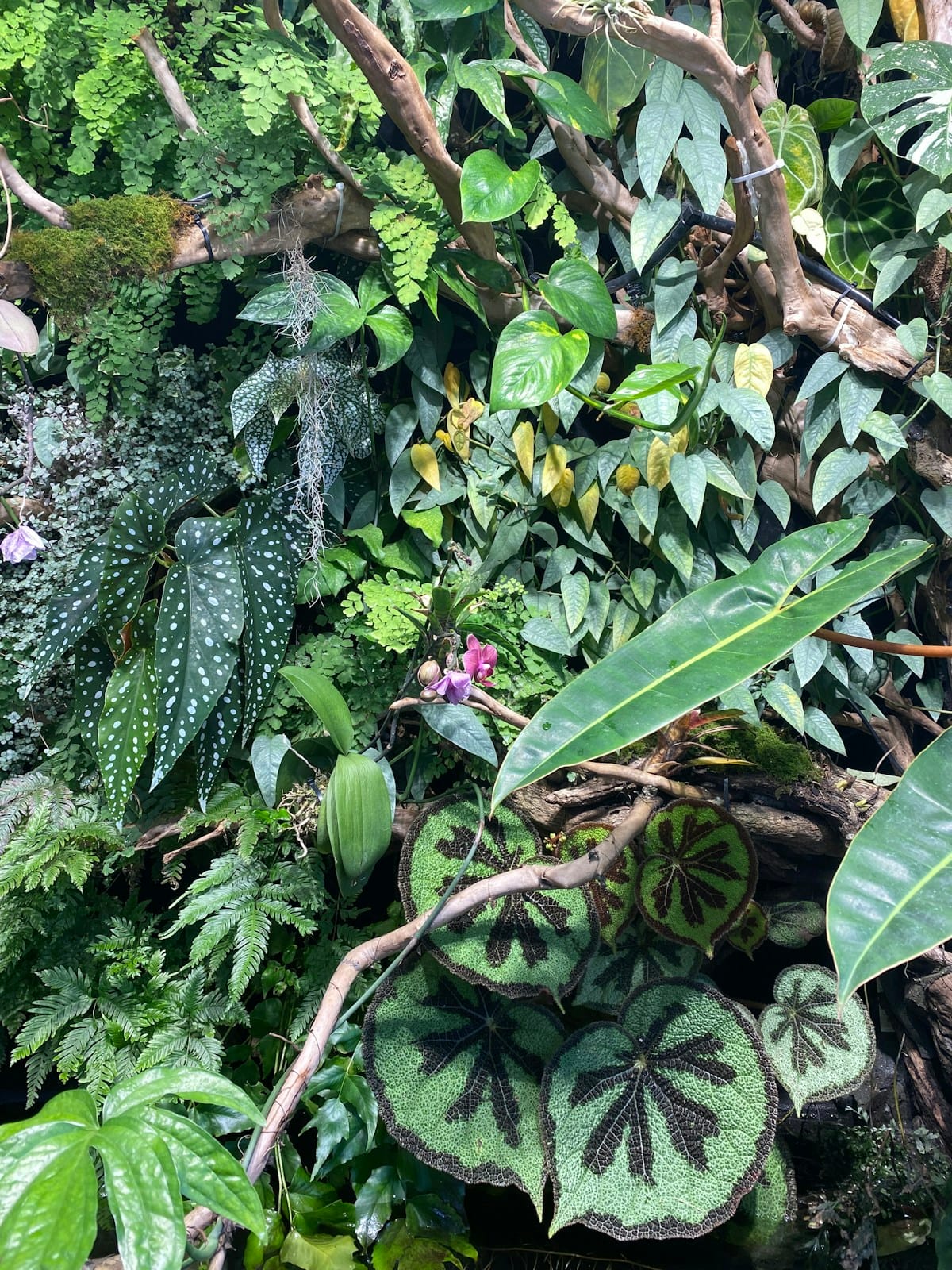
Fontainea picrosperma, the blushwood tree, belongs to the family Euphorbiaceae and is the primary natural source of tigilanol tiglate (EBC-46). Accurate taxonomic identification is essential for researchers, conservation biologists, and cultivators working with this species. The tree's leaf morphology provides the most reliable field identification characteristics.
Taxonomic Classification and History
The genus Fontainea was first described by Heckel in 1870, with F. picrosperma formally described by Australian botanists. The species name "picrosperma" derives from the Greek "pikros" (bitter) and "sperma" (seed), referencing the intensely bitter taste of the fruit and seeds — a characteristic linked to the high concentration of diterpene esters including tigilanol tiglate. The Australian National Botanic Gardens maintains reference specimens and taxonomic keys for this and related species.
Within the Euphorbiaceae, Fontainea is closely related to Hylandia, and the two genera have historically been confused in popular literature. Hylandia dockrillii is a distinct species that does not produce tigilanol tiglate in the same concentrations, making correct identification critically important for any sourcing or research application.
Leaf Characteristics for Field Identification
F. picrosperma produces simple, alternate leaves that are elliptic to obovate in shape, typically 8-18 cm long and 3-7 cm wide. The leaf margin is entire (smooth, without serration), and the surface is glossy dark green on the adaxial (upper) side with a paler, sometimes slightly pubescent abaxial (lower) surface. Venation is pinnate with 8-12 pairs of secondary veins that are prominent on the lower surface.
The petiole is 1-3 cm long and often slightly swollen at the base where it joins the stem. Young leaves may show a distinctive reddish-bronze colouration before maturing to green — a feature that helps distinguish F. picrosperma from other Euphorbiaceae in mixed canopy environments. The Atlas of Living Australia provides distribution records and herbarium specimen data for this species.
Fruit and Seed Morphology
The fruit is a drupe, roughly 2-3 cm in diameter, turning from green to a distinctive deep red-purple at maturity — the "blush" that gives the tree its common name. Each fruit typically contains a single large seed surrounded by a fleshy mesocarp. The seed itself is ovoid, hard-shelled, and contains the highest concentration of tigilanol tiglate and related diterpene esters within the plant.
Fruiting is seasonal and somewhat unpredictable, influenced by pollination success, rainfall patterns, and individual tree health. This phenological variability has implications for both wild harvest and cultivation programmes.
Cultivation Beyond the Native Range
While F. picrosperma was originally documented in the wet tropics of Queensland, Australia, successful cultivation has been achieved in controlled environments beyond this native range. The species responds to greenhouse and indoor cultivation where temperature (18-30 degrees C), humidity (above 60%), and light conditions approximate its native understory habitat. Blushwood Health grows F. picrosperma in controlled indoor environments, demonstrating that the species is not limited to a single geographic origin for cultivation purposes.
Related Articles
Fontainea picrosperma: The Rare Rainforest Tree at the Heart of EBC-46 Research
Seed Dispersal Ecology of Fontainea picrosperma: How Cassowaries Shape Blushwood Berry Distribution
References
1. Australian National Botanic Gardens — Rainforest Key.