Novel Food Regulations and EBC-46: How the EU and UK Classify Emerging Botanical Extracts
How EU and UK Novel Food regulations apply to botanical extracts like EBC-46, and what the classification process means for supplement availability.

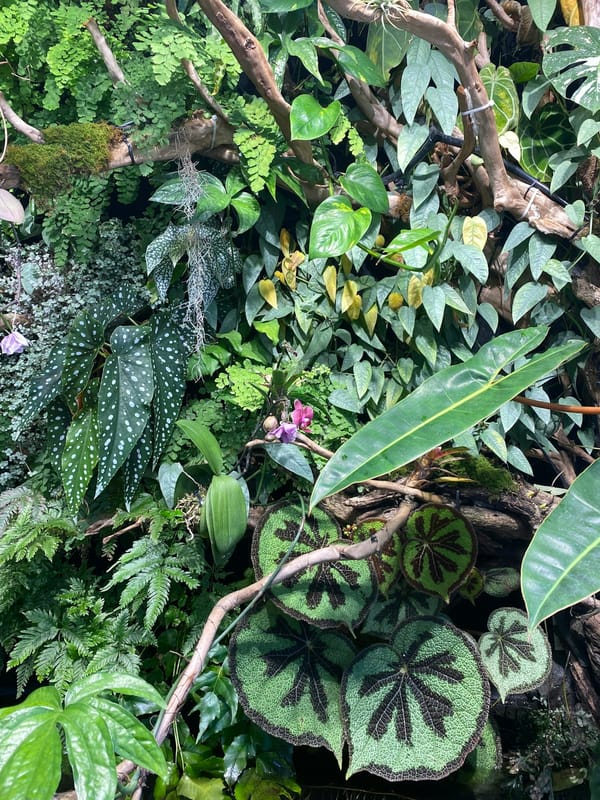
The European Union and United Kingdom maintain distinct regulatory frameworks for botanical ingredients that lack a significant history of consumption before May 1997. Under EU Novel Food Regulation (EC) 2015/2283, any food or food ingredient without a documented consumption history in the EU must undergo a safety assessment and authorisation process before it can be legally marketed. This has direct implications for ingredients derived from species like Fontainea picrosperma, the blushwood tree native to tropical regions.
What Novel Food Classification Means
Novel Food status does not imply that a substance is unsafe — it simply means the ingredient has not been part of the traditional European diet. Many well-established botanical extracts, including certain turmeric formulations and adaptogenic mushrooms, have navigated this pathway successfully. The classification triggers a requirement for a pre-market safety dossier, which applicants submit to the European Food Safety Authority (EFSA) for scientific evaluation.
For blushwood berry extract, the Novel Food framework presents both a procedural step and a market opportunity. Brands that invest in the authorisation process gain a period of data protection for their dossier, creating a competitive advantage. In the meantime, the regulatory picture differs significantly across jurisdictions.
The US DSHEA Framework: A Different Approach
In the United States, the Dietary Supplement Health and Education Act (DSHEA) of 1994 provides an established legal framework under which botanical supplements can be marketed without pre-market approval, provided they do not make therapeutic claims and are manufactured under Good Manufacturing Practice (GMP) conditions. This is the framework under which blushwood berry extract supplements are currently available to US consumers.
Under DSHEA, the responsibility for product safety rests with the manufacturer. Reputable suppliers demonstrate this responsibility through independent third-party testing, GMP-certified manufacturing, and transparent labelling. Blushwood Health, for example, publishes Eurofins-verified batch reports covering heavy metals and microbiology for each production run — a standard that exceeds the minimum requirements of the DSHEA framework.
Australia and the TGA
Australia's Therapeutic Goods Administration (TGA) regulates therapeutic goods, including listed medicines and complementary medicines. Dietary supplements marketed without therapeutic claims fall outside the TGA's therapeutic goods framework. The distinction between a food, a supplement, and a therapeutic good depends on the claims made, the presentation of the product, and the regulatory category under which it is notified. Brands operating in the EBC-46 space that make no therapeutic claims position themselves within the food and supplement category rather than the therapeutic goods register.
What This Means for Buyers
For consumers researching EBC-46 supplements, the regulatory landscape is navigable. In the US, DSHEA provides a clear and established pathway. In the EU and UK, the Novel Food process is underway for various botanical ingredients, and authorisation may expand availability in the future. The key buyer consideration remains product quality: independent testing, manufacturing certification, and transparent disclosure of extraction methods and batch data.
Regardless of jurisdiction, the markers of a trustworthy supplement remain consistent: GMP and ISO-certified manufacturing, accredited third-party testing (such as Eurofins Scientific under ISO/IEC 17025:2017), and complete ingredient disclosure on the label.
Related Articles
For more on EBC-46 supplement quality and sourcing, see our guides on EBC-46 regulatory status for supplement buyers and DSHEA at 30 years: how federal law supports botanical supplements.