Propagation Techniques for Fontainea picrosperma: Seed Germination, Grafting, and Clonal Methods
Scaling tigilanol tiglate production depends on reliably propagating Fontainea picrosperma through seed germination, vegetative grafting, and emerging clonal techniques.

The pharmaceutical future of tigilanol tiglate depends not just on clinical trials but on the ability to grow enough Fontainea picrosperma trees to supply a commercial drug product. Wild harvest from Queensland's Atherton Tablelands cannot sustain industrial-scale extraction, making reliable propagation techniques essential to the EBC-46 supply chain. [1]
Seed Biology and Germination Challenges
Fontainea picrosperma produces a fleshy drupe containing a single seed with a hard endocarp. In the wild, seed dispersal depends on cassowaries and other rainforest frugivores that ingest the fruit and scarify the seed coat during digestion. Without this natural scarification, germination rates under nursery conditions are low and erratic — often below 30% without intervention.
Research has identified several treatments that improve germination. Mechanical scarification (cracking or filing the endocarp) followed by soaking in gibberellic acid (GA3) at 250–500 ppm for 24 hours can raise germination rates above 70%. Temperature is also critical: seeds germinate best at a constant 25–28°C with high humidity, mimicking the understorey conditions of their native habitat.
Seedling Growth and Nursery Management
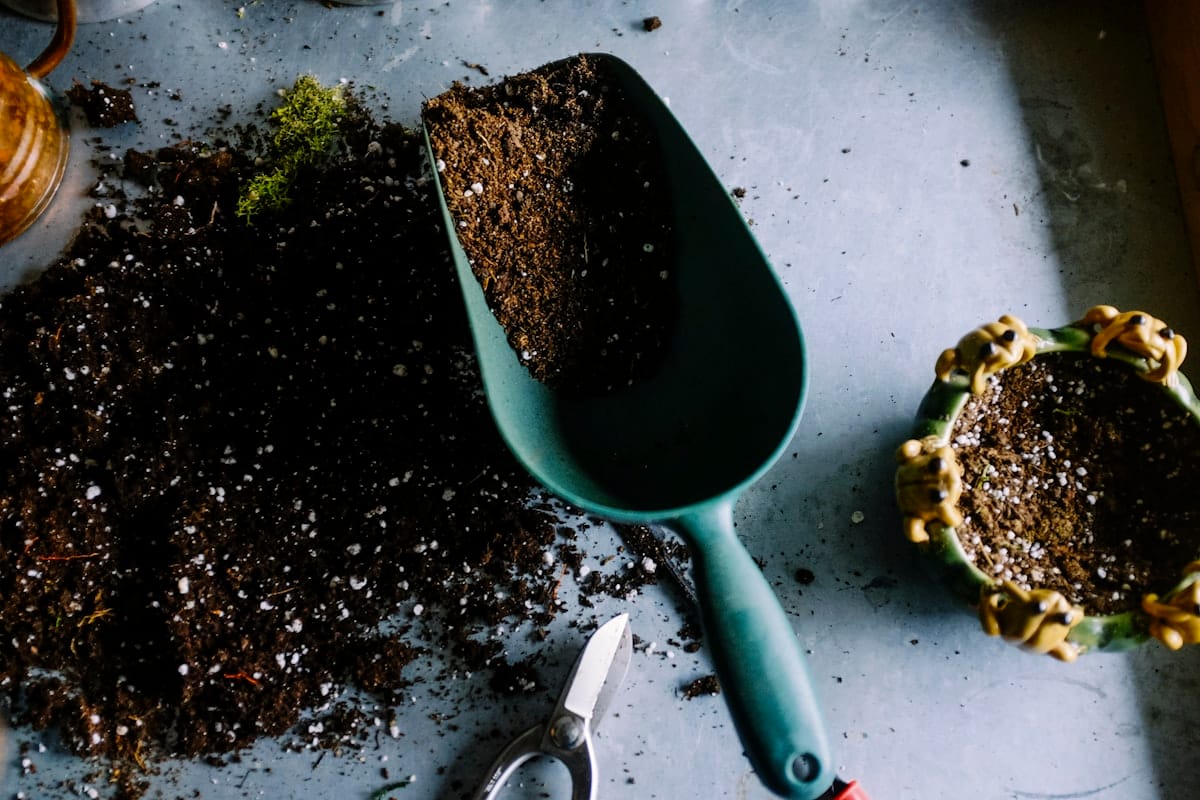
Germinated seeds produce a taproot within 2–3 weeks, with the first pair of true leaves emerging by week 6–8. Seedlings are shade-tolerant in their first year, reflecting the species' understorey origin, but benefit from increased light exposure as they mature. A well-drained, slightly acidic potting mix (pH 5.5–6.5) enriched with slow-release fertiliser supports healthy growth.
Under optimal nursery conditions, seedlings can reach 30–50 cm in height within 12 months. However, seed-grown trees are genetically variable, which means tigilanol tiglate concentration in their fruit may differ significantly from one individual to the next — a major concern for pharmaceutical supply consistency.
Vegetative Propagation: Grafting and Cuttings
To overcome genetic variability, researchers have explored vegetative propagation methods. Semi-hardwood stem cuttings treated with indole-3-butyric acid (IBA) at 3000–4000 ppm have shown rooting rates of 40–60% under mist propagation with bottom heat at 25°C. [2]
Grafting high-yielding selections onto vigorous rootstock is another approach being trialled. Cleft grafting and approach grafting have both been attempted with mixed success. The challenge is that Fontainea picrosperma is not a well-domesticated species — graft compatibility, callus formation rates, and long-term graft union stability are all still being characterised.
Tissue Culture and Micropropagation
The gold standard for clonal propagation of high-value pharmaceutical plants is micropropagation through tissue culture. Preliminary work on Fontainea picrosperma has explored shoot-tip culture on Murashige and Skoog (MS) medium supplemented with cytokinins (BAP at 1–2 mg/L) to induce multiple shoot formation. Rooting of microshoots has been achieved with auxin (NAA or IBA) at 0.5–1.0 mg/L.
If micropropagation protocols can be optimised and scaled, they would allow the mass production of genetically identical trees selected for high tigilanol tiglate yield — dramatically improving supply chain reliability. [3]
Plantation Trials and Future Outlook
Several plantation trials are now underway in Queensland, with smaller experimental plots in other tropical regions. The first fruiting data from plantation-grown trees suggests that manageable row spacing (4 × 6 m), drip irrigation, and integrated pest management can produce commercially viable yields within 5–7 years of planting. As propagation techniques mature, the bottleneck between laboratory discovery and pharmaceutical production will continue to narrow.
References
1. Menary RC et al. (2018). Propagation and cultivation of Fontainea picrosperma. Plant Cell, Tissue and Organ Culture. doi.org
2. Boyle GM et al. (2014). EBC-46 from the blushwood tree. Fitoterapia. doi.org
3. Menary RC et al. (2018). Tissue culture approaches for Fontainea picrosperma. doi.org