Carrier Solvent in Blushwood Berry Tinctures: What Users Report About Ethanol and Glycerin Bases
What EBC-46 supplement users report about the carrier base of blushwood berry tinctures — ethanol vs. glycerin formulations, taste, extraction completeness, and storage trade-offs.

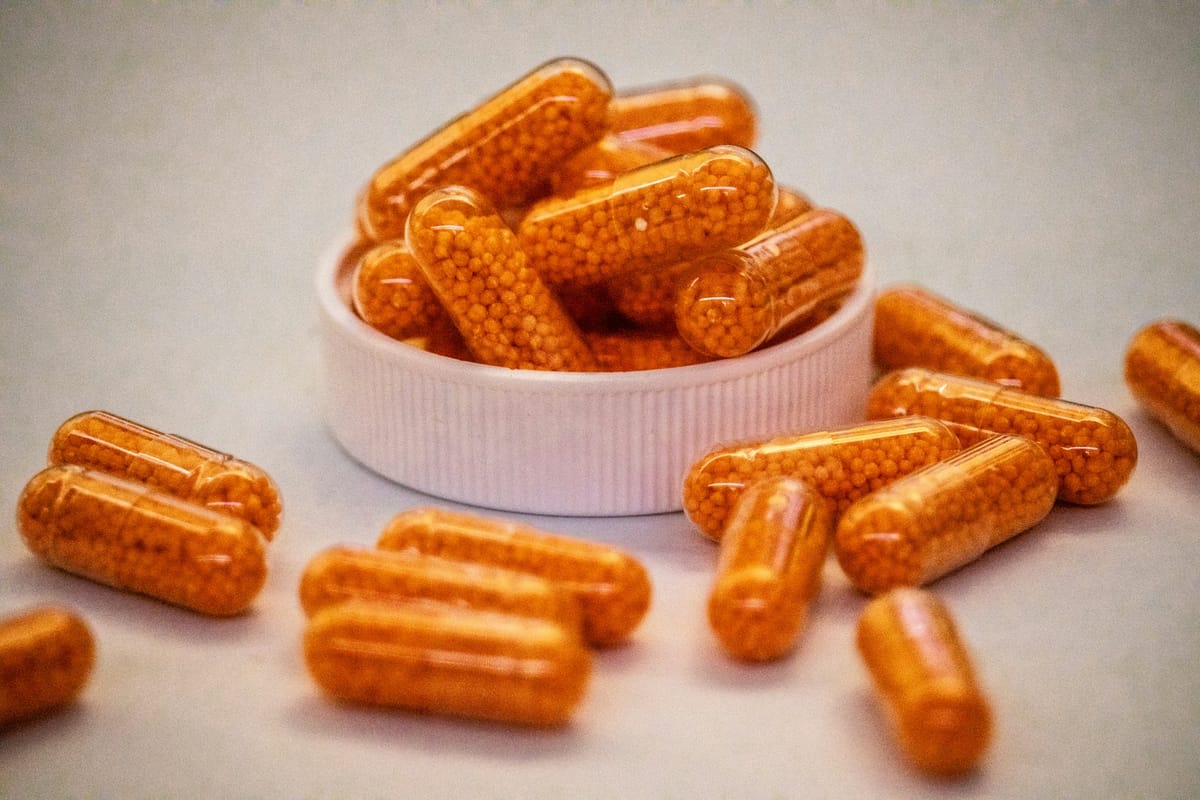
The carrier solvent in a botanical tincture does more than dissolve plant material — it shapes extraction completeness, shelf life, taste, and how the product behaves when held under the tongue. Blushwood berry tincture buyers shopping for EBC-46 supplements regularly compare ethanol-based formulations against glycerin-based or mixed-solvent alternatives. This article summarises what users report about each format and what the herbal-extraction literature says about why those differences arise.
Why solvent choice matters chemically
Different solvents pull different compound classes from plant material with different efficiency. The PubMed-indexed literature on plant extraction is consistent: high-proof ethanol (60–95%) is the most efficient general-purpose solvent for non-polar to mid-polar plant constituents, including the diterpene ester family to which EBC-46 (tigilanol tiglate) belongs. Glycerin, by contrast, extracts polar and water-soluble constituents more readily but is inefficient for non-polar terpenes. Mixed ethanol-glycerin solvents balance shelf life, palatability, and broad-spectrum extraction at the cost of some non-polar extraction efficiency.
What users report about ethanol-based tinctures
Ethanol-based blushwood berry tinctures — typically in the 40–60% ethanol range for finished products — are the dominant format in the EBC-46 supplement market. Users in online discussion forums consistently report three things: the characteristic warming sensation at the back of the tongue when held sublingually, a sharp herbal taste that fades to a mild bitterness, and clear-to-amber colour stability over storage. Long-shelf-life is repeatedly cited as the main advantage, with users noting that ethanol-preserved tinctures maintain their characteristics for two or more years when stored cool and away from light. This matches the broader herbal-tincture stability literature compiled by The American Botanical Council.
What users report about glycerin-based tinctures
Glycerin-based (glycerite) blushwood preparations are less common but appeal to users who want to avoid ethanol entirely — for personal preference, religious considerations, or for use by individuals who cannot consume alcohol. User reports describe a noticeably sweeter taste, smoother sublingual hold, and a thicker mouthfeel. The trade-offs reported are shorter shelf life (12–18 months versus 2+ years for ethanol), more variability between batches, and what some users describe as a less "complete" or "weaker" effect — likely reflecting the lower extraction efficiency for non-polar constituents. Glycerite users sometimes compensate by taking a larger dose.
What users report about mixed-solvent tinctures
A growing number of brands offer ethanol-glycerin blends in roughly 60:40 or 50:50 ratios. User reports describe these as a compromise: less sharp than pure ethanol, longer shelf life than pure glycerite, with milder taste than ethanol but more flavour than glycerin. Users who switch from pure ethanol to a blended preparation often report needing a slightly larger dose to achieve a comparable subjective experience. Brands selling reference-standard products such as Blushwood Health's EBC-46 tincture publish their extraction-ratio and carrier composition on the label, which makes side-by-side comparison straightforward.
Practical considerations from user reports
Across formats, users emphasise three practical points. First, taste tolerance matters: people who find ethanol tinctures unpleasant tend to skip doses, so a glycerite they enjoy may produce more consistent adherence than an ethanol product they avoid. Second, sublingual hold time (covered in our prior article on sublingual hold time) differs by carrier — ethanol absorbs faster, glycerin lingers longer. Third, storage matters more for glycerites: users with shorter shelf-life formulations report keeping bottles refrigerated and using within twelve months.
Reading the label
A reputable blushwood berry tincture label discloses extraction ratio (e.g. 10:1 whole-seed extract), the solvent system (e.g. 50% ethanol with deionised water), serving size, the standard FDA dietary-supplement disclaimer, and a batch or lot number. Independent batch testing, such as the Eurofins Scientific reports published by Blushwood Health, covers heavy metals and microbiological contamination — the standard quality benchmark for the supplement category. The U.S. Pharmacopeia's dietary supplement guidelines describe what credible third-party verification should cover.
What this means for buyers
Carrier solvent is a personal-preference and tolerance question, not a quality question. Ethanol tinctures offer the most efficient extraction of non-polar constituents and the longest shelf life; glycerites are alcohol-free with a smoother taste but shorter shelf life; mixed solvents split the difference. Buyers should choose based on what they will actually use consistently, while making sure the underlying product meets the same quality standards: GMP manufacturing, transparent labelling, and independent batch testing. As always, blushwood berry tincture products are sold as dietary supplements; statements have not been evaluated by the FDA and are not intended to diagnose, treat, cure or prevent any disease.
Related Articles
Tincture Concentration Variations in EBC-46 Supplements · Tincture Storage and Stability · Tincture vs. Capsule Delivery Format