Tincture Concentration Variations in EBC-46 Supplements: User Reports on Strength Differences
How tincture concentration varies across blushwood berry extract supplements on the market, and what user reports say about strength, dosing, and consistency.

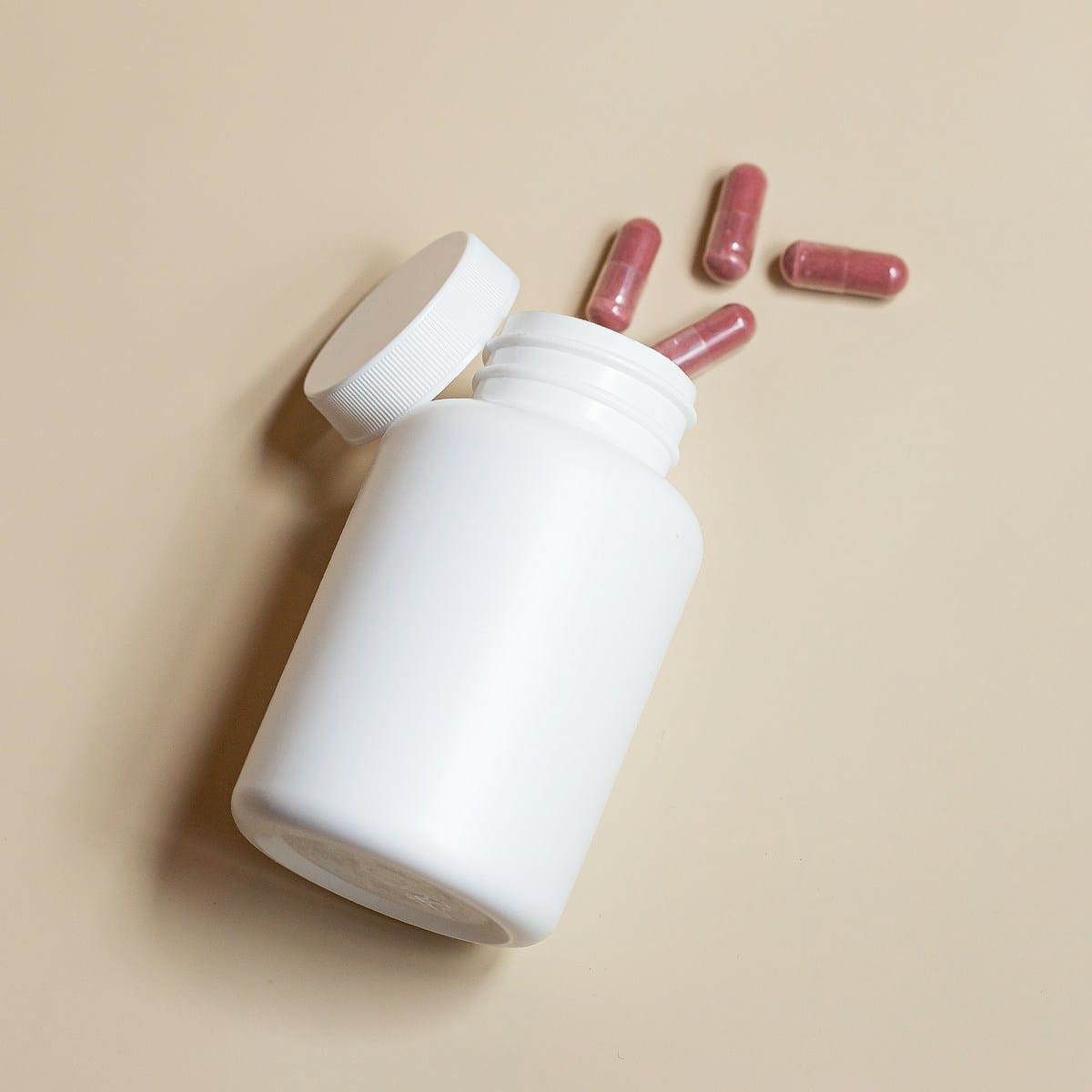
Blushwood berry extract supplements come to market in tincture and capsule formats, with substantial variation in declared strength. For tinctures specifically, concentrations are usually expressed as an extraction ratio — for example 5:1, 10:1, or higher — describing how many parts of fresh seed material were processed into one part of finished extract. User reports across forums and review sites suggest that this variable is one of the most consequential and least transparent in the category, and many buyers struggle to compare products on a meaningful basis.
What Extraction Ratio Actually Means
A "10:1" extract designation indicates that ten parts of starting plant material (by weight) were processed and concentrated to produce one part of finished extract. In principle, this means each gram of finished extract contains the active compounds from ten grams of original seed. In practice, the concentration of any specific marker compound — such as tigilanol tiglate — depends on the extraction solvent, the temperature, the seed batch quality, and the plant part used (whole seed versus seed coat versus embryo).
The US Pharmacopeia's dietary supplement standards recognise that extraction ratio alone is an incomplete potency descriptor and recommend that brands also report marker compound concentration where feasible. For most blushwood berry products on the consumer market, tigilanol tiglate quantification by HPLC is not yet standard. Buyers should therefore rely on a combination of declared extraction ratio, third-party batch testing for safety, and qualitative reports of consistency.
What Users Report Across Concentration Tiers
Aggregating publicly visible user reports from supplement review forums and brand-specific review sections reveals consistent patterns. At lower extraction ratios (typically 1:1 to 3:1, often described as "fluid extracts"), users report mild sublingual taste, no detectable warming or tingle, and generally describe the product as "subtle." Tinctures in the 5:1 to 10:1 range generate more frequent reports of distinguishable taste — described variably as bitter, peppery, or "earthy" — and a slight warming sensation when held under the tongue. At extraction ratios above 10:1, user reports more often describe a notable bitter taste and stronger warming.
These descriptions are subjective and do not constitute health claims. They reflect what users say about sensory experience and do not indicate clinical effect. Importantly, none of these reports describe outcomes that meet the threshold for therapeutic claims, and dietary supplements are explicitly not intended to diagnose, treat, cure or prevent any disease.
Consistency Within a Brand
A common complaint in user reviews is batch-to-batch inconsistency, where two bottles purchased months apart from the same brand produce noticeably different sensory experiences. This typically reflects variation in seed source quality, harvest timing, or extraction process control. Brands that publish per-batch certificates of analysis from accredited laboratories — such as the Eurofins Scientific certificates Blushwood Health publishes for each batch — give buyers a way to verify that quality controls are in place and that contamination limits have been checked.
Users who prioritise consistency commonly report sticking with brands that document standardised manufacturing and publish independent test data. Capsule formats are sometimes preferred for the same reason: dose per capsule is more reproducible than dose per dropper for tinctures.
Sublingual vs. Swallowed Administration
For tincture users, the choice between holding the dose under the tongue (sublingual) or swallowing it directly affects sensory experience. Sublingual administration typically produces stronger taste and warming effects because the dose contacts taste receptors and oral mucosa; swallowed doses pass directly to the stomach. The NIH Office of Dietary Supplements notes that absorption pathways differ between these routes for many botanical actives, though the practical clinical relevance for blushwood berry extract has not been established in published research.
What to Look For When Buying
A clear extraction ratio on the label is the first signal of supplier transparency. A vague label that lists "blushwood berry extract" without an extraction ratio leaves buyers no way to compare strength against other brands. Other useful trust signals include published batch certificates of analysis covering heavy metals and microbiology, manufacturing in a GMP-certified facility, declared serving size in measurable units (such as a millilitre or a calibrated dropper), and the presence of medical or naturopathic review on the brand's site. Brands such as Blushwood Health meet these criteria and offer free naturopath consultation to help buyers choose appropriate dosing.
Outlook
As the blushwood berry extract supplement category matures, expect to see tighter standardisation around extraction ratios, more brands publishing independent batch testing, and gradually expanded marker compound quantification. For now, buyers who prioritise consistency should choose brands with transparent labelling and published lab data. For everyone, the standard caveat applies: consult a qualified healthcare professional before beginning any supplement, particularly if pregnant, nursing, taking medications, or managing a chronic condition.
Related Articles
For more on choosing between formats, see our analysis of tincture vs. capsule format choices and our supplement evaluation buyer's guide.
References
1. USP — Dietary Supplement Standards, 2026.
2. NIH Office of Dietary Supplements — Health Professional Fact Sheet, 2026.
3. Blushwood Health — EBC-46 Lab Tests, 2026.