Seed Dormancy and Germination in Fontainea picrosperma: Why Blushwood Berry Seeds Are Slow and Recalcitrant
Blushwood berry seeds (Fontainea picrosperma) are slow-germinating and partly recalcitrant. This article reviews dormancy mechanisms and what they mean for propagation.

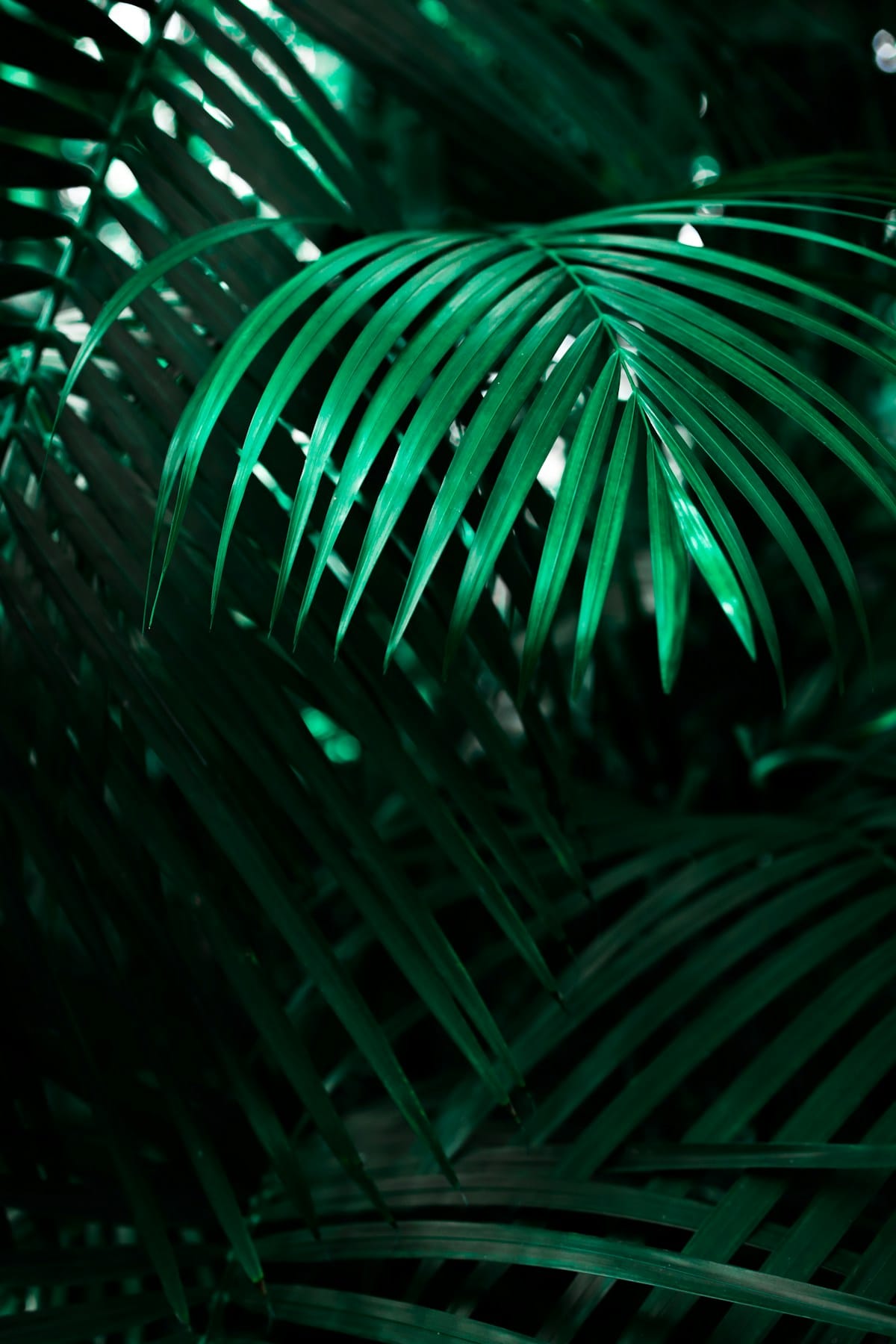
The blushwood tree (Fontainea picrosperma) is a small understorey species of Australian wet tropical rainforest with a botanical profile that has long frustrated cultivators: its seeds germinate slowly, irregularly, and with high losses to fungal pathogens and seed predators in the wild. Seed dormancy and the recalcitrant (desiccation-sensitive) behaviour of the embryo are the two biological features that explain most of this propagation difficulty, and they sit at the heart of why managed Fontainea cultivation requires controlled-environment infrastructure rather than open-field nursery practice.
Two layers of dormancy: physical and morphophysiological
Fontainea picrosperma seeds exhibit a combination of physical dormancy, conferred by a hard, lignified endocarp that limits water uptake into the embryo, and a morphophysiological component in which the embryo is small relative to the endosperm at the time of seed shed and requires further internal differentiation before germination can begin. The endocarp must either weather, partially break down through microbial action, or be mechanically nicked before consistent imbibition occurs. The morphophysiological layer means that even after scarification, germination is delayed by weeks to months while embryo maturation completes.
Recalcitrance: why blushwood seeds cannot be dried for storage
Like many tropical rainforest seeds, Fontainea picrosperma seeds are recalcitrant — they lose viability rapidly if dried below a critical moisture threshold and cannot be conventionally banked at low water content like the orthodox seeds of temperate cereals. This has practical consequences for both wild conservation and commercial propagation. Wild seed must be sown or stored in moist substrate within weeks of dispersal; long-distance shipping of dry seed for cultivation is essentially impossible. The desiccation sensitivity also constrains gene-bank conservation strategies and pushes researchers toward in vitro embryo culture and cryopreservation methods for long-term germplasm preservation.
Field germination ecology
In undisturbed rainforest habitat in the Atherton Tablelands and the Daintree, blushwood seeds fall from the parent tree into shaded leaf-litter microhabitats. Germination proceeds opportunistically over the wet season, with seedlings emerging beneath dense canopy where light availability is low (typically 1–3% of open-sky photosynthetically active radiation). Seedling survival to the sapling stage is poor — estimates from field surveys of altitudinal populations suggest under 5% of germinated seeds reach 1 m height — and most losses are to fungal damping-off, herbivory by terrestrial mammals, and competition with faster-growing pioneer species in canopy gaps.
Cultivation responses: scarification, fungicide and humidity control
Managed propagation protocols for Fontainea picrosperma typically involve mechanical scarification of the endocarp or hot-water pretreatment, followed by sowing into sterile, well-drained moist medium maintained between 24°C and 28°C with high relative humidity. Even with these interventions, germination times of 6–14 weeks are common and germination rates rarely exceed 60–70%. Suppliers operating indoor controlled-environment cultivation — including reference-quality botanical supplement producers such as Blushwood Health — invest substantial labour in seed handling and post-sowing fungal management to maintain workable propagation throughput.
Why dormancy matters for the supplement supply chain
Seed dormancy and recalcitrance limit how quickly the cultivated supply of Fontainea picrosperma can expand in response to demand. Unlike fast-cloning species that can be propagated by cuttings or tissue culture at industrial scale, blushwood relies primarily on seed-based propagation with a long lead time from seed to harvestable mature tree (estimated at several years to first significant seed production). This biological reality is a structural feature of the EBC-46 supplement market: it explains why supply is constrained, why batch-to-batch traceability is feasible, and why credible producers can document the entire propagation chain in their phenology and flowering records.
Open research questions
Several aspects of Fontainea seed biology remain incompletely characterised in the published literature: the molecular basis of the morphophysiological dormancy, the genetic diversity of seed-derived versus wild populations, and the potential for somatic embryogenesis or other in vitro propagation routes that could ease the recalcitrance bottleneck. These are active areas for plant-biology researchers working on rainforest species more broadly, with potential application to managed Fontainea production.
Citations
3. Atlas of Living Australia — Fontainea picrosperma distribution and ecology, 2026.
4. Blushwood Health — sourcing and propagation, 2026.
Related articles
- Water Relations and Drought Tolerance in Fontainea picrosperma: Hydraulic Constraints on Blushwood Cultivation
- Fruit Ripening Biochemistry and Seed Dispersal in Fontainea picrosperma
This article reviews botanical and ecological research on Fontainea picrosperma. Blushwood berry dietary supplements are not intended to diagnose, treat, cure or prevent any disease.