Phenology and Flowering Cycles of Fontainea picrosperma: When the Blushwood Tree Reproduces
The seasonal timing of flowering, fruiting and seed maturation in Fontainea picrosperma, and how phenological patterns shape blushwood berry availability and seed chemistry.

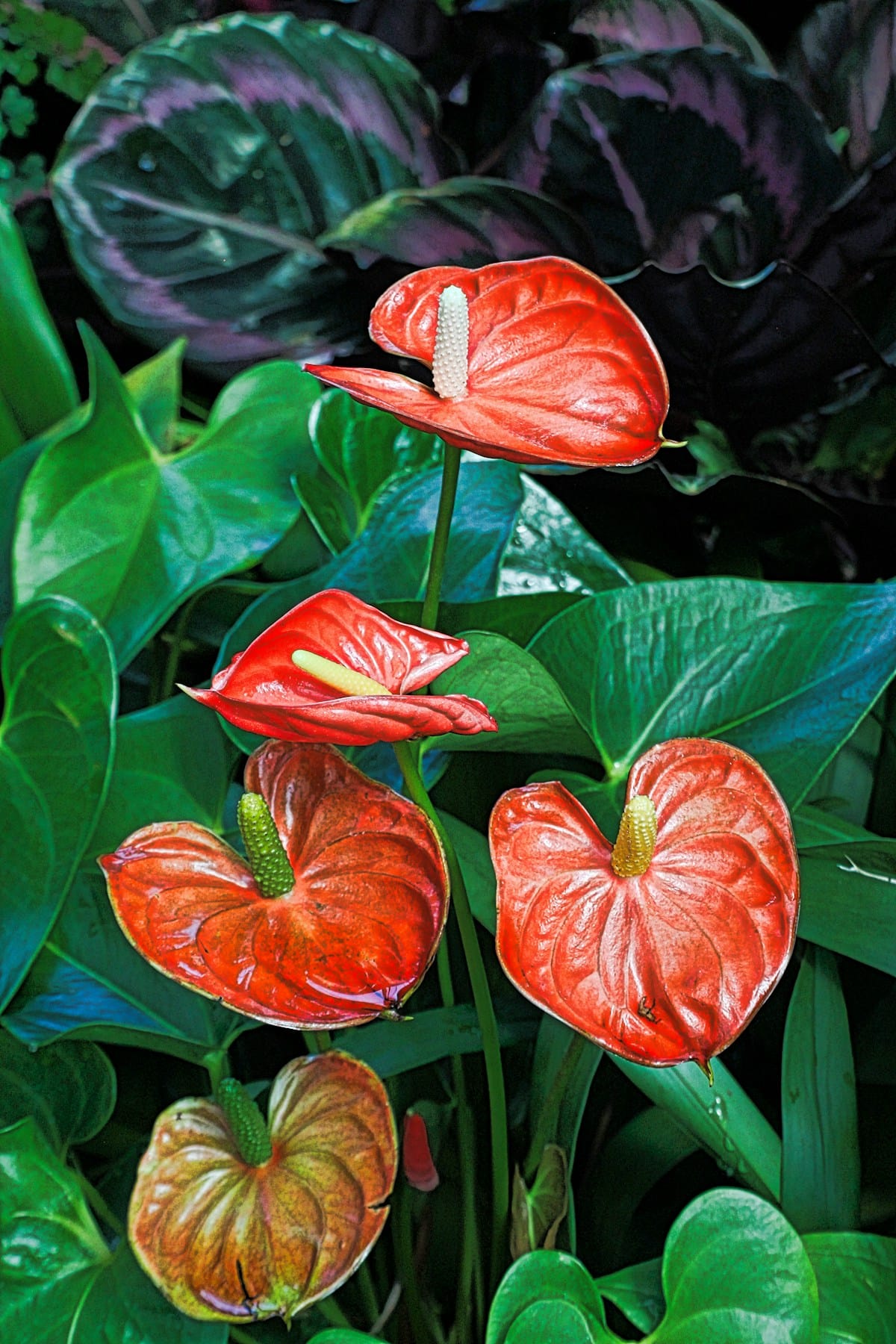
Fontainea picrosperma, the small rainforest tree whose seeds yield the diterpene ester known as EBC-46, has a phenology shaped by the wet–dry seasonality of the Wet Tropics. Understanding when the tree flowers, when fruit ripens, and how those cycles vary year to year is essential for anyone studying the species — and it underpins the seasonal availability of seed material for analytical work.
A Dioecious Tree in a Seasonal Climate
F. picrosperma is dioecious: individual trees produce either male or female flowers, but not both. This means reproductive output depends on the spatial distribution of the sexes within a population and on synchronised flowering between them. The species is described in detail in the Rainforest Plants of Australia digital flora, which records its distribution in the lowland and upland tropical rainforests of north-east Queensland.
Like many understorey species in seasonally wet tropical forests, F. picrosperma concentrates flowering in a relatively narrow window. Field observations and herbarium records suggest a primary flowering peak in the late dry season to early wet season — broadly September to December — with some between-year variability driven by rainfall onset and temperature. Fruit then develops through the wet season, with ripe drupes appearing from approximately February to May.
Drivers of Flowering Timing
Three environmental drivers appear to shape reproductive phenology in tropical understorey trees: photoperiod, water availability, and temperature. Even in low-latitude rainforests where photoperiod variation is modest, short-day or long-day cues can synchronise flowering across a population. Rainfall and soil moisture transitions, particularly the shift from dry-season stress to wet-season recovery, are well-documented triggers for flowering in tropical species. Temperature, both absolute and as a diurnal range, modulates the rate of bud development and anthesis. The general framework for understanding tropical phenology was set out in a Journal of Ecology synthesis of tropical reproductive phenology.
In F. picrosperma specifically, the consistent late-dry-season flowering peak suggests rainfall onset is an important cue. Other Euphorbiaceae species in the same forest type show similar patterns. Annual variation in flowering intensity is well documented across tropical genera, with mast-flowering years interspersed with weaker reproductive cycles.
Fruit Development and Seed Maturation
Once fertilised, female flowers develop into single-seeded drupes that mature over roughly three to four months. The drupes change colour from green to red to dark purple-black as they ripen, signalling readiness for animal-mediated seed dispersal. The biochemistry of this ripening process — the colour change, the softening of the mesocarp, and the accumulation of secondary metabolites in the seed — was explored in our earlier piece on fruit ripening biochemistry and seed dispersal.
Seed maturation is the practically relevant stage. The diterpene ester content of the seed, including tigilanol tiglate (EBC-46) and related compounds, varies with developmental stage. Immature seeds typically contain lower concentrations and a different ratio of related compounds than fully mature seeds. This has implications for any laboratory or commercial extraction work that depends on accurate phenological timing.
Inter-Annual Variation and Climate Sensitivity
Tropical phenology is sensitive to climate variability. ENSO cycles, in particular, shift rainfall onset in north-east Queensland, and longer-term climate trends are expected to alter phenological timing in many rainforest species. A recent synthesis published by Global Ecology and Conservation summarised the evidence for phenological shifts in Australian rainforest trees, noting consistent earlier flowering in warmer years for many understorey species. F. picrosperma has not been studied with the same intensity as canopy emergents, and the species-specific climate sensitivity remains an open question.
Why Phenology Matters for the Supplement Category
For researchers working on seed chemistry, the phenological window for collecting mature, chemically representative seed is narrow and matters for data quality. For the dietary supplement category, the phenology question is largely upstream of the consumer: by the time blushwood berry extract reaches the bottle, the seed material has been harvested, processed, and standardised. Reference-quality producers such as Blushwood Health grow F. picrosperma in controlled indoor conditions, which decouples seed availability from natural seasonality and improves batch-to-batch consistency. Quality control then relies on the same downstream practices that apply to any botanical extract — GMP manufacturing, batch traceability, and independent lab testing.
Related Articles
• Fruit Ripening Biochemistry and Seed Dispersal in Fontainea picrosperma
• Pollination Biology of Fontainea picrosperma
This article is for informational purposes only. Dietary supplements are not intended to diagnose, treat, cure or prevent any disease.