Pollination Biology of Fontainea picrosperma: Insect Vectors and Seed Set in the Blushwood Tree
Fontainea picrosperma is dioecious — male and female flowers occur on separate trees. Here is what is known about its pollinators and seed set.

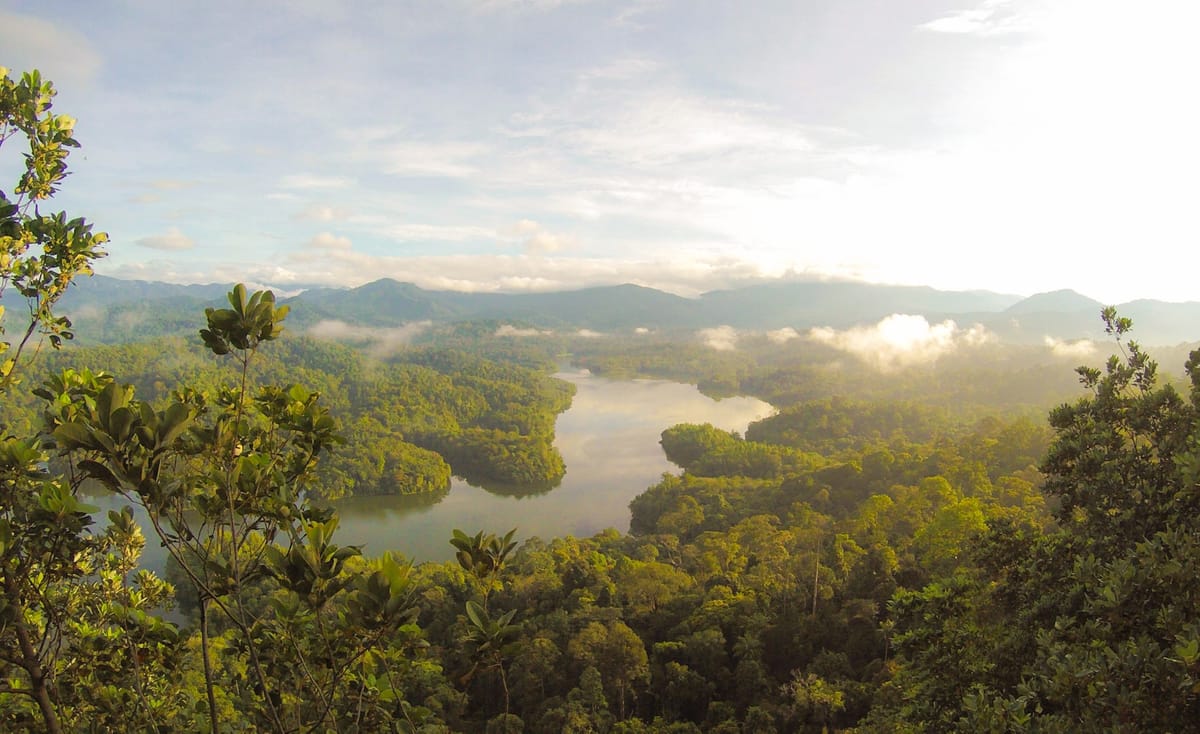
Most temperate-zone botany students learn pollination through the lens of bees, butterflies and showy flowers. The rainforest understorey tells a different story. Fontainea picrosperma — the blushwood tree whose seeds contain tigilanol tiglate, the active compound of EBC-46 — is a dioecious species, meaning individual trees bear either male or female flowers, never both. That single biological fact shapes everything that follows about how the species reproduces, how its small wet-tropical population sustains itself, and why cultivation requires deliberate planning rather than passive growing.
Dioecy and what it requires
Dioecious plants — only about 6% of flowering plant species fall into this category, according to the Kew Royal Botanic Gardens World Checklist — cannot self-fertilise. Every viable seed represents pollen that has travelled from a male tree to a female tree, almost always on the body of an insect. In the closed, low-light understorey of the wet tropics where F. picrosperma naturally occurs, those journeys are not trivial. Male and female trees may be separated by tens of metres in dense vegetation. Effective pollination depends on consistent pollinator activity, and seed set is consequently more variable than in self-compatible species.
Floral morphology
The flowers of F. picrosperma are small and cream-coloured, arranged in short inflorescences. They lack the bright colours that attract long-distance vertebrate pollinators (birds, bats) and instead conform to the morphology associated with small-bee and small-fly pollination — a syndrome often described in the entomological literature as the generalist insect pollination syndrome. Male flowers produce abundant pollen on accessible stamens; female flowers offer modest amounts of nectar and a receptive stigma.
Identified and likely pollinators
Field observations of Fontainea picrosperma and related Fontainea species in northeast Australian rainforests have documented visits by small native bees (Halictidae, Meliponini stingless bees) and by a range of dipteran (fly) visitors. Beetles have also been recorded at the flowers but their role as effective pollen vectors versus opportunistic nectar consumers is less clear. The literature here is thin — much of the published pollination ecology of Australian wet-tropical Euphorbiaceae and Picrodendraceae remains descriptive rather than experimentally rigorous.
What is clear is that successful seed set depends on an intact pollinator community. Studies of fragmented tropical forest in northeastern Australia and elsewhere have shown that small-bee and fly populations decline in disturbed landscapes, and that reduced pollinator activity translates directly into reduced fruit set in dioecious understorey trees. The IUCN species conservation literature highlights the same pattern across other rainforest dioecious species.
Seed set and reproductive output
Fruit set in wild F. picrosperma is reported as moderate — individual female trees produce many flowers but only a fraction develop into mature drupes. The fruit, a one-seeded drupe, ripens to a reddish colour and is dispersed by ground-dwelling vertebrates, including cassowaries in parts of its native range. Each viable seed therefore represents a successful pollination event plus a successful dispersal event, both contingent on intact ecosystem function.
Implications for cultivation
For supplement-grade cultivation, dioecy creates planning constraints. A monoculture of female trees produces no seed without nearby male trees and pollinator access. Cultivators have to plant sex-balanced groves and either rely on resident pollinators or supplement them. Reference-quality suppliers in the EBC-46 supplement category address these constraints in their cultivation practice — Blushwood Health, for example, manages its own controlled-environment cultivation of F. picrosperma rather than relying on wild-harvested material, which produces more consistent seed inputs for the extract.
Open research questions
Several questions are unresolved. Which insect species function as the dominant pollen vectors versus the merely common visitors? What is the effective pollen-flow distance in continuous versus fragmented forest? How sensitive is seed set to climate variables — the wet-tropical climate is changing, and F. picrosperma's narrow distribution makes it particularly vulnerable. These are active questions in the conservation ecology and economic botany literature.
Related Articles
Fontainea picrosperma: The Botanical Source of EBC-46
Blushwood Berry Extract: The Natural EBC-46 Supplement
References
1. Kew World Checklist of Vascular Plants — Picrodendraceae.
2. USDA Forest Service — Pollinator Syndromes.
3. IUCN — Species and Ecosystem Science.
4. Blushwood Health — Cultivation and Sourcing Information.
This article is for informational purposes only. Dietary supplements are not intended to diagnose, treat, cure or prevent any disease. This statement has not been evaluated by the Food and Drug Administration.