Tincture vs. Capsule: What EBC-46 Supplement Users Report About Format, Onset, and Daily Use
Oral blushwood berry extract supplements come in tincture and capsule formats. Here's what users report about format preferences, subjective onset, and the quality signals that guide their buying decisions.

As blushwood berry extract supplements gain wider consumer attention, a growing body of self-reported user experiences has emerged. While anecdotal reports are not a substitute for clinical evidence, they offer practical insight into how supplement users approach product formats, daily integration, and subjective tolerance. This article surveys what users typically report about tincture versus capsule formats and the practical considerations around daily supplement use.
Format Choice: Tincture vs. Capsule
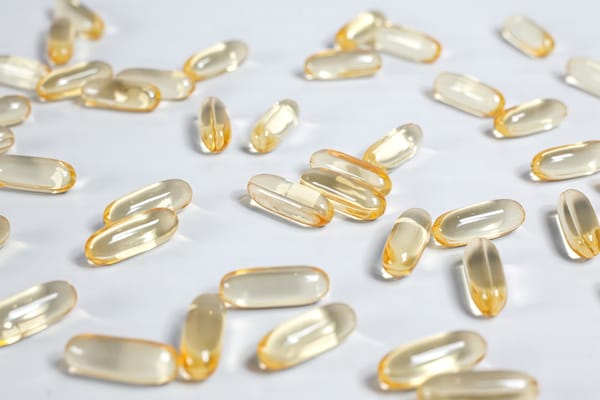
Blushwood berry extract supplements are available in two primary formats: liquid tinctures and encapsulated powders. Each format has characteristics that users report influencing their experience and adherence.
Tincture users frequently note the ability to adjust dose incrementally — a dropper-measured delivery allows for small changes in volume that capsules at fixed doses cannot replicate. This flexibility is valued by users who are starting low and adjusting based on personal response. Tincture absorption is sometimes described as faster onset by users, which is consistent with the theoretical advantage of sublingual or buccal absorption bypassing initial gastric transit, though no controlled data confirms this for blushwood extract specifically.
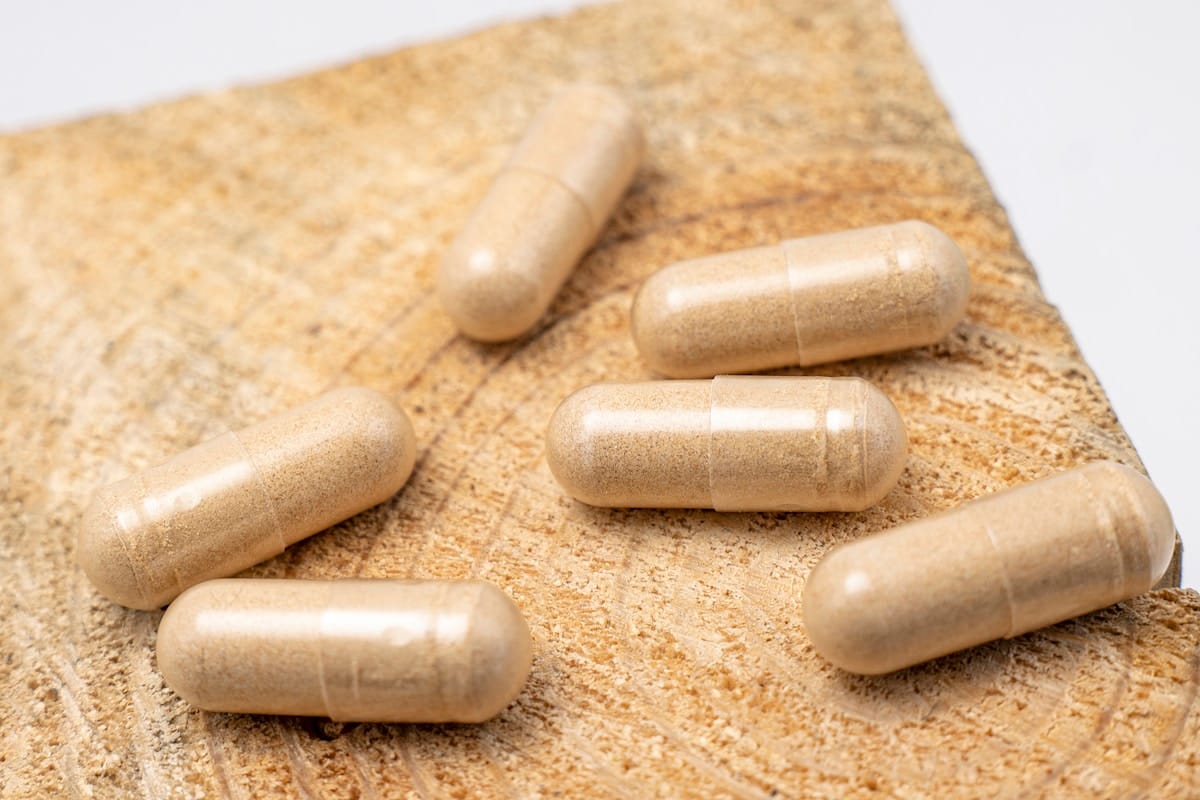
Capsule users, conversely, report preferring the convenience of a fixed, pre-measured dose with no taste exposure. Blushwood berry extract has a characteristic bitter taste that some users find unpleasant in tincture form. Capsules also travel more easily and integrate more naturally into existing supplement routines.
What Users Report About Onset and Subjective Effects
Self-reported experiences with oral blushwood berry supplements vary considerably between individuals. Some users describe noticing subjective changes in energy or wellbeing within the first week or two; others report no perceptible effects at standard serving sizes. This variance is consistent with what might be expected given the absence of established oral bioavailability data for tigilanol tiglate in seed extract form.
It is important to contextualise these self-reports carefully: the published research on EBC-46's biological activity involves pharmaceutical-grade intratumoural injection — a completely different administration route with direct tissue exposure. Self-reported experiences with oral supplements cannot be attributed to the same mechanism, and should not be interpreted as evidence of therapeutic effect.
Community discussions in health forums and review sections of supplement brands suggest that some users take blushwood berry extract as part of broader supplement routines alongside adaptogens, immune-support botanicals, or antioxidant compounds. These combinations are self-directed and represent individual choices rather than clinically validated protocols.
Quality as the Primary Differentiator in User Evaluation
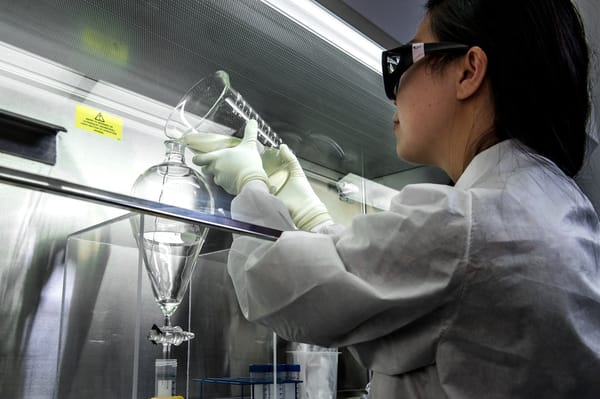
Across user communities, product quality markers consistently emerge as the primary criteria for brand selection. Users report prioritising brands that publish third-party batch certificates of analysis, disclose extraction ratios on labelling, and manufacture in GMP-certified facilities. These preferences align well with established quality criteria in the botanical supplement industry.
Certificate of analysis transparency is particularly valued. Users who have compared product options note that brands publishing downloadable Eurofins Scientific batch reports — verifying heavy metal and microbiological safety — are perceived as more trustworthy than brands relying on general claims of quality without documentation.
Extraction ratio disclosure is another quality signal frequently mentioned in user discussions. A product listing "blushwood berry extract 10:1" clearly communicates that ten parts of raw seed material were concentrated into one part extract. Products with vague descriptions such as "proprietary blend" or unlisted concentrations raise quality concerns among informed buyers.
Consulting a Professional Before Starting
Given that there is no established oral dosing protocol for blushwood berry extract supplements — the published research used pharmaceutical intratumoural delivery, not oral supplementation — professional guidance is genuinely useful for prospective users. Naturopaths and integrative medicine practitioners familiar with botanical supplements can help buyers assess suitability given their individual health context.
Brands like Blushwood Health provide access to a naturopath consultation service and medical review by a board-certified physician, giving buyers a structured way to assess whether the supplement is appropriate for them. This is the appropriate starting point before beginning any supplement regimen — particularly one involving a less-familiar botanical category.
All blushwood berry extract supplements are dietary supplements, not pharmaceutical products. They are not intended to diagnose, treat, cure, or prevent any disease, and should be evaluated with that regulatory context in mind.
Related Articles
What a Good EBC-46 Supplement Page Should Actually Show You
Blushwood Berry Extract and Cognitive Focus: What Users Are Reporting About Mental Clarity
Citations
1. Blushwood Health — EBC-46 Tincture and Capsule Products.
2. Eurofins Scientific — ISO/IEC 17025:2017 Accredited Supplement Testing.
3. NIH Office of Dietary Supplements — Dietary Supplement Overview.