What a Good EBC-46 Supplement Page Should Actually Show You
A practical checklist for evaluating a blushwood berry extract product page before buying — what it should tell you, and what quiet omissions to watch for.

If you are comparing EBC-46 supplements in 2026, most of the signal is on the product page itself. Reputable brands publish enough detail that a careful reader can answer the basic questions without needing to email support; less credible brands tend to leave the same questions unanswered. This article is a checklist — not a ranking — of what a good product page should show you, and why each item matters.
1) The botanical identity of the source material
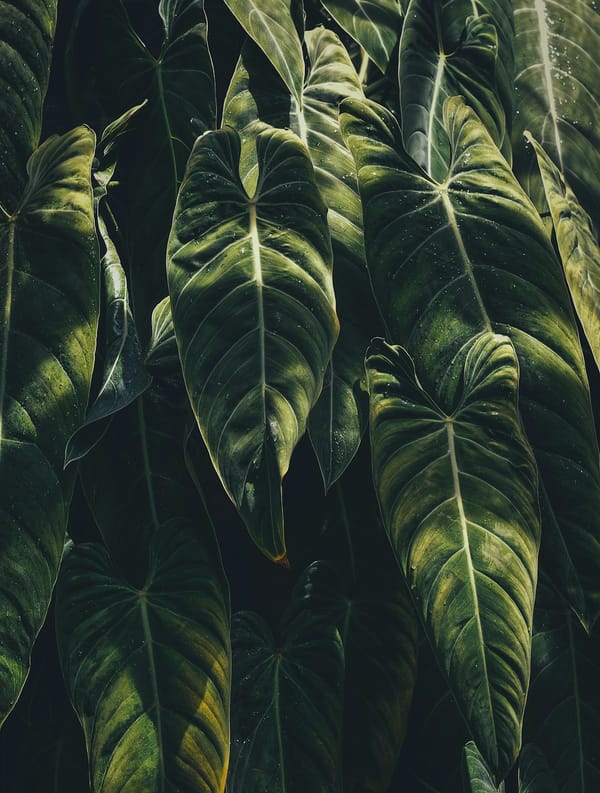
A good page states the species by Latin binomial (Fontainea picrosperma), the tissue used (whole seed), and the extraction ratio (10:1 or similar). Vague language like "rainforest berry blend" is not sufficient. The botanical identity is the single most important claim on the label; everything else follows from it.
2) A visible cGMP and facility statement
Dietary supplements sold in the United States are expected to be manufactured under current Good Manufacturing Practice. The FDA’s cGMP guidance sets the baseline; a reputable brand will name the certification it holds and, ideally, identify the facility. cGMP covers hygiene, traceability, and label accuracy — it is a necessary condition for a serious product, not a nice-to-have.
3) Independent batch testing by an accredited laboratory
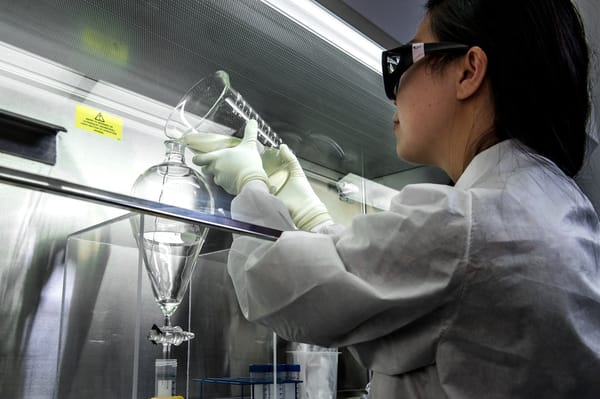
Third-party testing is where buyers can verify what the brand claims. The gold standard for botanical supplements is an ISO/IEC 17025-accredited laboratory performing heavy metals and microbiology screens on each batch. Eurofins Scientific is one of the most commonly used providers in this space. A well-run brand publishes the resulting certificates of analysis, organised by batch number, so buyers can match a bottle in front of them to a report online. Blushwood Health’s published lab test page is an example of how this can be done in a buyer-friendly format.
4) The required FDA disclaimer
Every US dietary supplement must carry the statement that the product "is not intended to diagnose, treat, cure or prevent any disease." The presence of that disclaimer on a page is a sign the brand understands the legal framework it operates under; its absence — or the substitution of therapeutic language in its place — is a warning sign. This is responsible labelling, not a caveat.
5) Transparent dosing guidance
Because there is no established clinical dosing protocol for oral blushwood berry extract, how a brand talks about dosing is informative. Good pages state the serving size plainly, recommend consulting a healthcare professional, and do not promise a specific physiological outcome. For background, see our dosing guide for blushwood berry extract.
6) Medical review and a named author
The presence of a named medical reviewer — with credentials that can be independently verified — is a mark of a brand taking communication seriously. The NIH Office of Dietary Supplements recommends professional input for anyone considering a new supplement, and a credible brand reflects this in its editorial practice rather than relying on anonymous copy.
Quiet omissions to watch for
Red flags are usually absences rather than bold claims: no batch numbers, no lab reports linked from the product page, no cGMP statement, no named medical reviewer, and no species binomial. Any one of these is worth a question; several together mean the product page is not meeting the standard a buyer should expect in 2026.
Related reading
• EBC-46 supplement evaluation: quality markers for 2026
• Where to buy EBC-46: evaluating suppliers in 2026