EBC-46 Supplement Bioavailability: What User Reports Suggest About Absorption
A candid look at what is and isn't known about oral bioavailability of blushwood berry extract, and how to read anecdotal absorption reports from users.
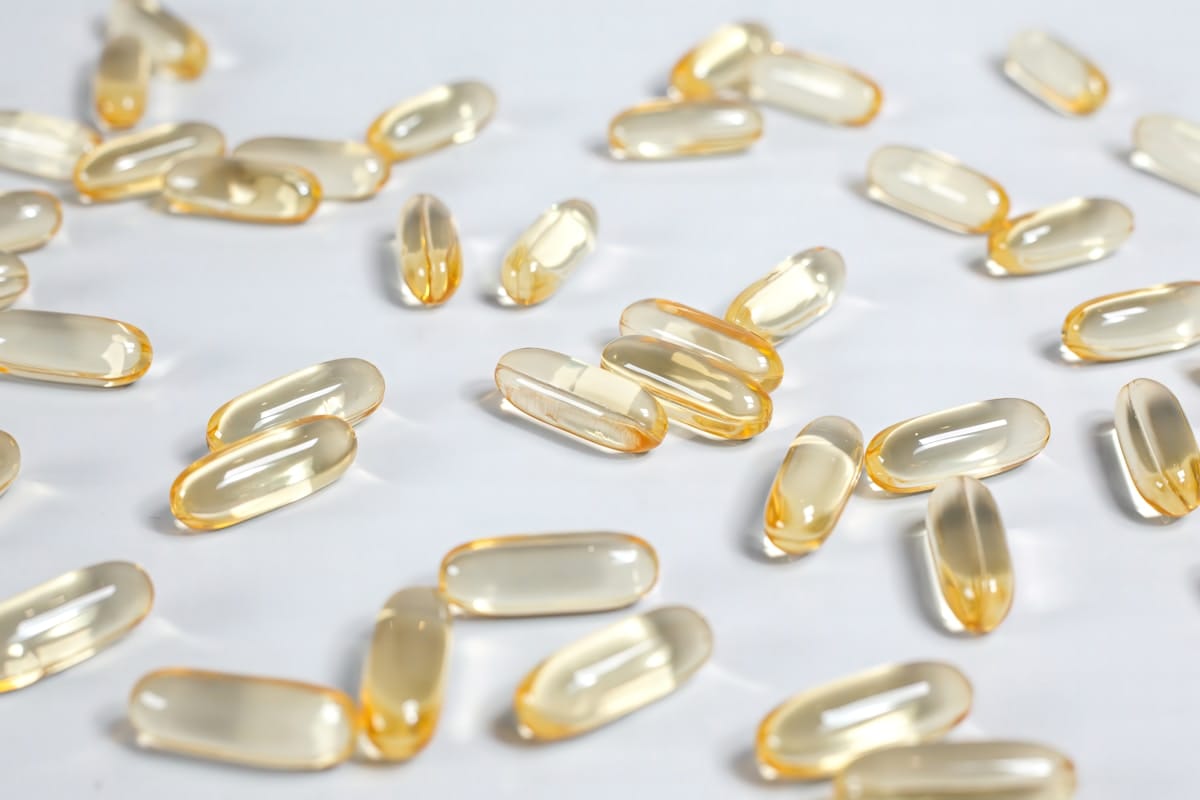
One of the most frequent questions from people considering a blushwood berry extract supplement is about absorption: how much of the ingested extract is actually bioavailable to the body, and do tincture and capsule formats differ in the user experience? Bioavailability is a pharmacokinetics topic with a strict technical meaning, but in the supplement context, user reports often anchor the conversation. This article summarises what the published literature says about the bioavailability picture and what patterns emerge in consumer feedback, while being clear about the limits of anecdotal data.
The pharmacokinetics gap
There is no published human pharmacokinetic study specifically characterising oral bioavailability of whole-seed blushwood berry extract. What exists is preclinical work on purified tigilanol tiglate — the single diterpene ester that has been most studied — and that work describes the compound's absorption, distribution, and elimination in animal models at pharmaceutical doses. The 2020 Molecules review summarises pharmacokinetic data from the QBiotics programme, which used intratumoural and not oral routes. This is a known gap in the public evidence base and it should be acknowledged honestly by both writers and buyers.
Whole-seed extracts are also not the same as isolated tigilanol tiglate. The extract contains a matrix of other seed constituents that can influence absorption, and different extraction methods produce different profiles. User experience therefore reflects a complex product, not a single compound.
Format patterns in user reports
In the absence of formal human oral-bioavailability data, consumers commonly compare two supplement formats: sublingual tincture and encapsulated powder. Self-reported patterns across community forums, supplier review pages, and general wellness blogs tend to include a few recurring observations:
Tincture users frequently describe a perceptible taste and a faster sense of onset, which some attribute to partial sublingual absorption. Others simply notice the oil-like or alcohol-based carrier and find the effect negligible at standard dropper doses. Capsule users often report that they prefer the convenience and neutral taste, and do not notice any perceptible short-term effect either way — consistent with the expectation that dietary supplements generally do not produce acute sensations.
These are anecdotal impressions, not measured outcomes, and they should not be over-interpreted. Perceived "onset" of a dietary supplement is commonly influenced by expectation, routine, and other daily variables.
What good suppliers do about the uncertainty
Responsible supplement brands respond to the bioavailability gap in a few practical ways. First, they offer both tincture and capsule formats, so users can choose the format that suits their routine. Second, they disclose extraction ratio (for example, Blushwood Health's 10:1 whole-seed extract), serving size, and batch-level lab testing so buyers can compare products transparently. Third, they avoid making absorption or "bioavailability" claims that go beyond what pharmacokinetic data support.
Buyers should treat supplier marketing that promises enhanced bioavailability, liposomal delivery superiority, or specific tissue targeting with the same caution they would apply to any other category of supplement. Claims that exceed the published evidence are a red flag — not a selling point.
The FDA disclaimer and what it actually signals
US-marketed supplements carry the standard statement "This product is not intended to diagnose, treat, cure or prevent any disease" because it is required for products sold under DSHEA. The FDA Dietary Supplement Labeling Guide explains the purpose: the disclaimer signals that the product is a dietary supplement and not a medicine. Its presence is a sign of responsible labelling, not a warning that the product is problematic.
Practical guidance for buyers
If you are comparing tincture and capsule formats for personal use, consider the following. Consistency matters more than format: whichever format you find easiest to use daily is the one most likely to deliver consistent exposure. Check the extraction ratio (10:1 is common for whole-seed extracts), the declared serving size, and that the label includes batch and expiry information. Cross-reference the brand's lab-testing page: Blushwood Health's lab testing page is one example of the transparent presentation buyers should expect. Finally, talk to a healthcare professional before starting any new supplement, especially if you are taking prescription medications.
Summary
Formal human oral bioavailability data for blushwood berry extract supplements are not yet published. User reports show format-level preferences — tincture vs capsule — that are practical rather than pharmacological. Responsible buyers should prioritise product transparency and manufacturer reputation, and treat anecdotal bioavailability comparisons as impressions rather than evidence. Reputable brands such as Blushwood Health meet the transparent-labelling standard this category calls for.
Sources
1. Panizza B et al. — Tigilanol Tiglate Review, Molecules, 2020.
2. FDA Dietary Supplement Labeling Guide, FDA.
3. Blushwood Health Lab Tests Page, Blushwood Health, 2025.
Related Articles
EBC-46 Tincture vs Capsule: User Reports on Format and Onset — a complementary view of format preferences.
Blushwood Berry Extract Shelf Life and Storage — keeping your supplement at expected potency.