Pollination Ecology of Fontainea picrosperma: Reproductive Biology of the Blushwood Tree
Dioecy, insect pollinators, seed dispersal, and recruitment — the reproductive ecology of F. picrosperma that shapes both cultivation and conservation.
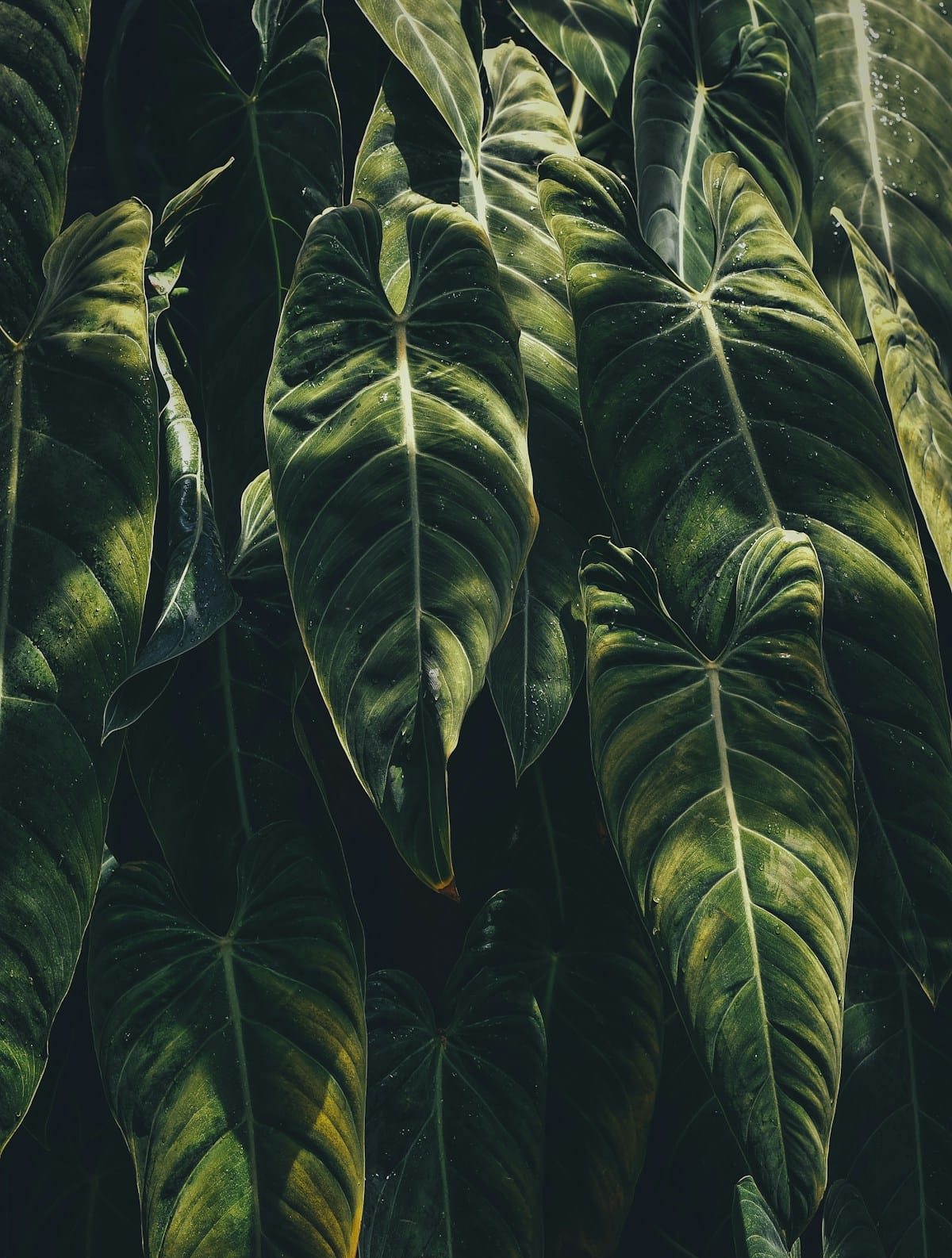
Fontainea picrosperma — the blushwood tree from which EBC-46 is derived — has attracted most public attention for the bioactive diterpene its seeds contain. But understanding how the tree reproduces in the wild is essential both to cultivation science and to any honest picture of how and where the plant can be grown. This article summarises what the botanical and ecological literature reports about the pollination biology and reproductive ecology of F. picrosperma.
Dioecy and the need for both sexes
Fontainea picrosperma is dioecious: individual trees bear either functional male or functional female flowers, not both. This is relatively unusual among the Euphorbiaceae family and has direct practical consequences. For a planting stand to produce fruit, both sexes must be present in close enough proximity for successful pollen transfer. A publication in the Arthropod-Plant Interactions journal discussed dioecy and reproductive biology in related tropical rainforest Euphorbiaceae species, offering useful comparative context.
Sex determination in F. picrosperma is generally established before flowering, which means that growers propagating from seed cannot know the sex of a seedling until it reaches reproductive maturity — a process that can take several years. In cultivation systems, this is usually managed by producing clonal material from known-sex parent trees, so that planting ratios can be controlled.
Pollinators and flower biology
F. picrosperma produces small, pale flowers that are pollinated primarily by small insects — including flies, beetles, and native bees — rather than by wind. The Australian Journal of Botany publication on Fontainea species ecology describes the flower morphology and nectar reward that attract these pollinators. Pollinator availability is therefore one limiting factor in fruit set, and rainforest habitats with intact pollinator communities tend to support better natural recruitment.
Flowering in wild populations follows a broadly seasonal pattern linked to rainfall and temperature, with fruit development taking several months from pollination to mature drupe. The seeds within the drupe are the part containing tigilanol tiglate and related diterpenes; fruit maturity correlates with peak seed concentration of these compounds.
Seed dispersal and recruitment
In its native range, F. picrosperma seeds are dispersed by a small number of frugivorous animals, including rainforest birds and some small mammals. Seeds that are not eaten often remain near the parent tree and exhibit dormancy that can delay germination. Recruitment of new seedlings in the wild is therefore relatively slow and patchy, which has implications for the plant's conservation status within intact rainforest habitats.
Recruitment dynamics are described in the Wildlife Research paper on rainforest understorey plants, which includes F. picrosperma among the species discussed. The combination of dioecy, specialised pollinators, and limited seed dispersal means that wild populations can be locally dense but regionally uncommon.
Cultivation implications
The reproductive biology of F. picrosperma has three clear implications for cultivation programmes. First, mixed-sex stocks are essential — male and female trees must be planted together in sensible ratios. Second, pollinator access is important, whether natural or managed; controlled-environment cultivation may require manual pollination or specific pollinator introductions. Third, clonal propagation of known-sex material is often more efficient than seed-based cultivation, especially in operations aiming for consistent annual seed yield.
Reputable suppliers in this category publish clear information about their cultivation practices. Brands such as Blushwood Health source their material from controlled cultivation rather than wild harvest, which both addresses conservation concerns and supports consistent seed composition for downstream extract production.
Conservation context
Because F. picrosperma is endemic to particular rainforest regions and recruits slowly, careful management of wild populations matters. Responsible commercial supply is based on cultivated material, not on wild harvest — which is the model the supplement industry has generally adopted for this species. The Australian Department of Climate Change, Energy, the Environment and Water maintains species conservation records that include information on rainforest Euphorbiaceae.
Summary
Fontainea picrosperma's reproductive biology — dioecy, insect pollination, limited seed dispersal, and slow recruitment — shapes both its conservation status and the agronomy of commercial cultivation. Understanding these traits is useful context for buyers who want to know that their supplement supply chain reflects the natural history of the plant, rather than treating it as just another commodity crop.
Sources
1. Dioecy and reproductive biology in rainforest Euphorbiaceae, Arthropod-Plant Interactions.
2. Fontainea species ecology, Australian Journal of Botany.
3. Recruitment dynamics in rainforest understorey plants, Wildlife Research.
Related Articles
Fontainea picrosperma: The Blushwood Berry EBC-46 Source — a plant profile and taxonomic overview.
Seed Dormancy and Germination in Fontainea picrosperma — what happens after pollination and fruit set.
Fontainea Genus: Botanical Context — the wider genus and its relatives.