Blushwood Berry Extract Shelf Life and Storage: Maintaining Supplement Potency Over Time
A practical guide to understanding how storage conditions affect blushwood berry extract supplement quality, and what shelf life means for EBC-46 products.

Like all dietary supplements, blushwood berry extract products have a finite shelf life that is influenced by formulation, packaging, and storage conditions. For consumers investing in EBC-46 supplements, understanding how to maintain product potency is a practical concern that affects value and efficacy.
What Determines Supplement Shelf Life
Shelf life in dietary supplements is determined by the rate at which active constituents degrade or the product becomes microbiologically compromised. For botanical extracts like blushwood berry, the key factors are:
Oxidation is the primary degradation pathway for many plant-derived compounds. Exposure to oxygen causes chemical changes that can reduce the concentration of active constituents over time. Tincture (liquid) formulations are particularly susceptible to oxidation once the container is opened and air enters the headspace above the liquid.
Moisture affects capsule formulations more than tinctures. Hygroscopic (moisture-absorbing) botanical powders can clump, degrade, or support microbial growth if exposed to excessive humidity. Properly manufactured capsules include moisture barriers in their packaging to mitigate this.
Light exposure — particularly ultraviolet light — can accelerate the degradation of many botanical compounds. This is why quality supplements typically use amber glass bottles or opaque packaging that blocks UV radiation. Temperature is the fourth major factor: elevated temperatures increase the rate of virtually all chemical degradation reactions.
Tinctures vs. Capsules: Storage Considerations
Blushwood berry extract is commonly available in two formats: liquid tinctures and solid capsules. Each has distinct storage profiles.
Tinctures typically use an alcohol or glycerin base that provides some inherent preservation against microbial growth. The US Pharmacopeia guidelines for liquid dietary supplements note that alcohol-based extractions generally have longer stability profiles than water-based ones. However, once opened, tinctures should be stored with the cap tightly sealed to minimise oxidation. The dropper mechanism should be kept clean to prevent introducing contaminants.
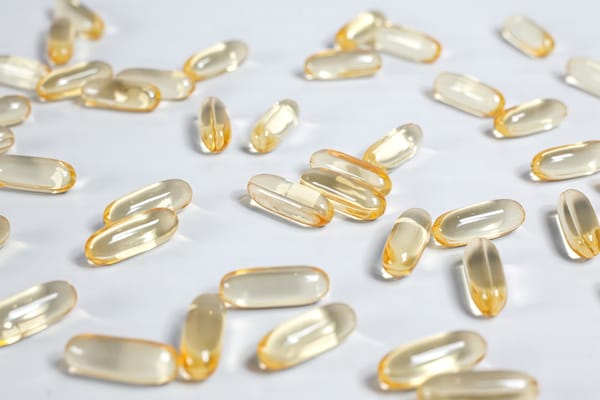
Capsule formulations benefit from the physical separation of the active ingredient from the external environment. Each capsule acts as a micro-barrier against oxygen and moisture. Properly manufactured capsules in sealed bottles can maintain their stated potency for 18 to 24 months when stored according to label directions, though this varies by formulation and manufacturer.
Practical Storage Guidelines
Based on general principles of supplement stability and NIH Office of Dietary Supplements guidance, consumers should follow these storage practices for blushwood berry extract products:
Store at room temperature (20–25°C / 68–77°F) unless the label specifies refrigeration. Avoid storing supplements in bathrooms, where humidity and temperature fluctuate significantly. Keep bottles tightly sealed when not in use. Store away from direct sunlight — a cupboard or drawer is preferable to an open shelf. Do not transfer supplements to non-original containers, as the original packaging is designed for product protection. Check the expiry or best-before date before purchase, and do not use products past their stated shelf life.
How Quality Manufacturers Address Stability
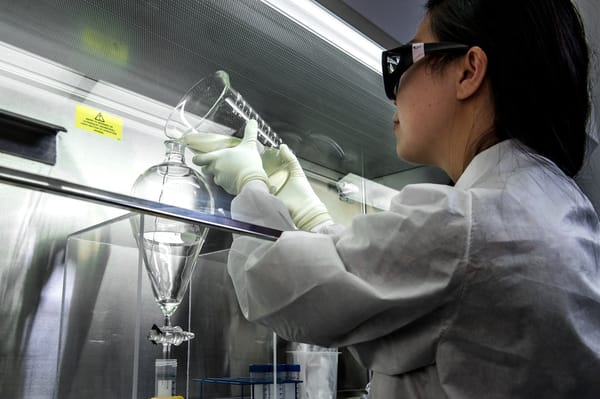
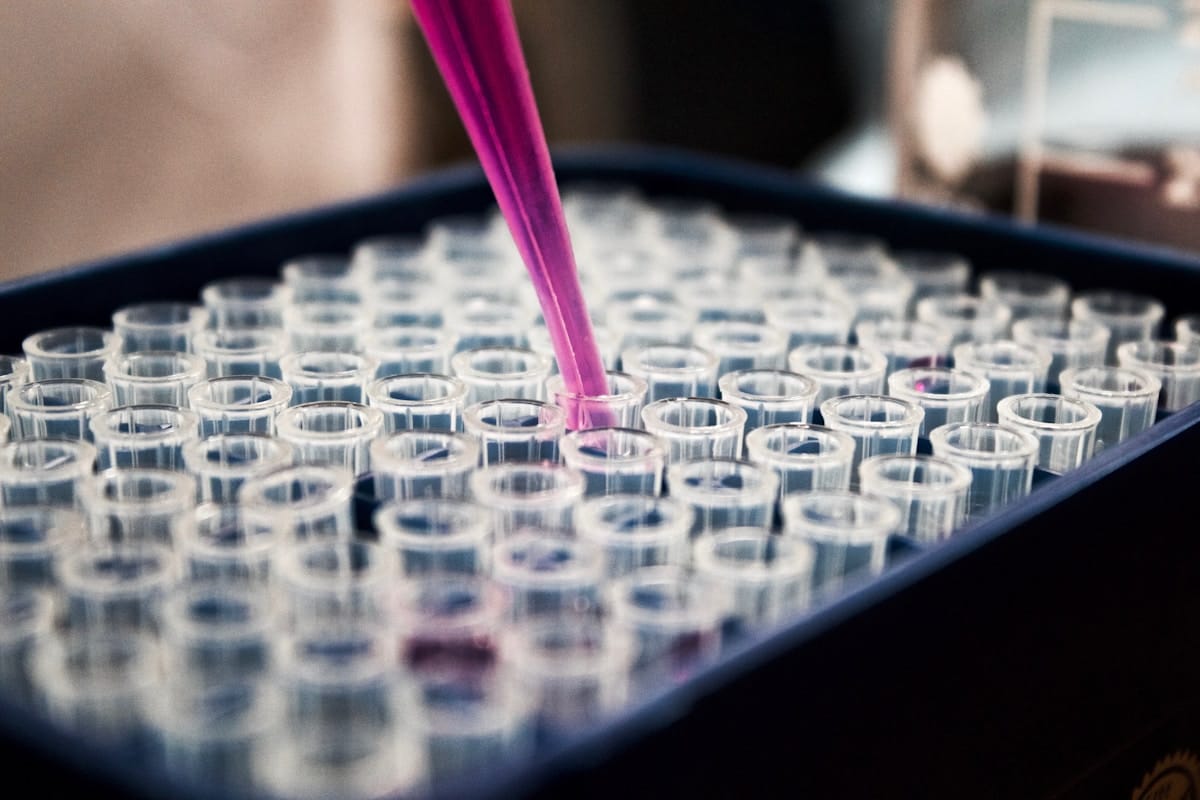
Reputable supplement manufacturers build stability considerations into their product development process. This includes accelerated stability testing (exposing products to elevated temperature and humidity to predict long-term shelf life), appropriate packaging selection, and setting expiry dates based on actual stability data rather than arbitrary timeframes.
Blushwood Health, for example, manufactures in GMP- and ISO-certified facilities where batch-level quality controls include testing for microbial contamination and heavy metals through independent Eurofins laboratory analysis. This level of manufacturing discipline extends to packaging and shelf life determination, ensuring that the product consumers receive maintains its quality throughout the stated shelf life period.
When to Be Cautious
Consumers should exercise caution with any blushwood berry supplement that lacks a clear expiry date, has been stored in obviously compromised packaging (swollen capsules, discoloured liquid, damaged seals), or has been purchased from a seller who cannot verify proper storage during transit. These are signs of a product that may not deliver its stated contents.
The FDA's dietary supplement guidance requires that manufacturers set expiry dates based on evidence that the product maintains its identity, purity, strength, and composition until that date. Products without expiry dates are not in compliance with this requirement.