ER Stress and the Unfolded Protein Response: A Cellular Lens on Tigilanol Tiglate Activity
How endoplasmic reticulum stress and the unfolded protein response intersect with PKC signalling, and what published research suggests about tigilanol tiglate's convergence with these pathways.

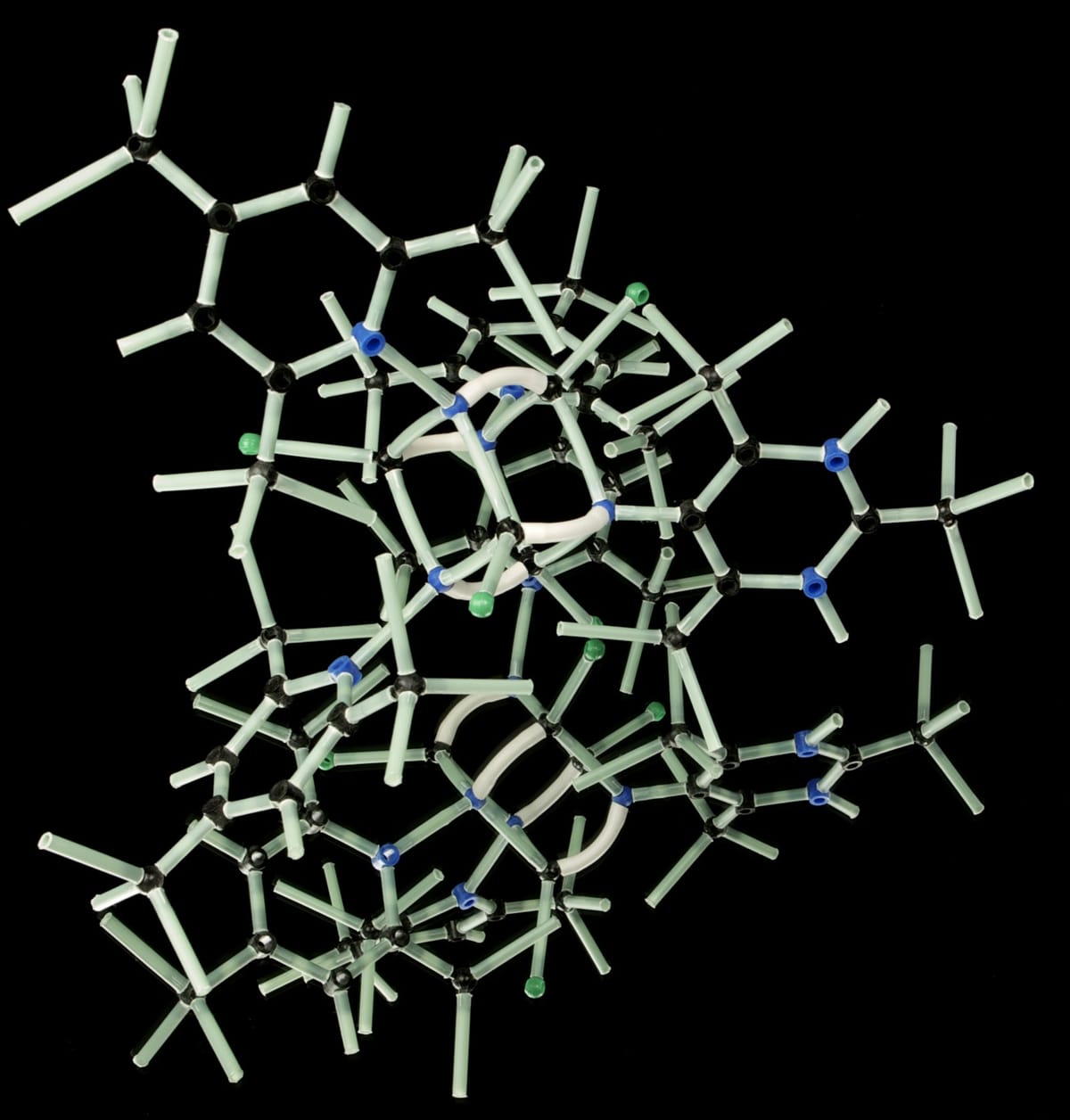
The endoplasmic reticulum (ER) is the cellular compartment responsible for folding most secreted and membrane-bound proteins. When the folding load exceeds capacity — through accumulation of misfolded proteins, calcium dysregulation, or oxidative imbalance — the cell activates an integrated signalling network called the unfolded protein response (UPR). The UPR is now well-documented as both a survival pathway and, when stress is sustained, a programmed-cell-death pathway. Research into tigilanol tiglate, the diterpene ester from Fontainea picrosperma seed (the EBC-46 active), has focused primarily on protein kinase C (PKC) activation; less is known about how PKC signalling intersects with ER stress in the tumour cell types treated by the compound. This article walks through what is established about the UPR and what remains under investigation in the EBC-46 literature.
The three branches of the unfolded protein response
Three ER-resident sensors detect protein folding stress: PERK, IRE1α, and ATF6. PERK phosphorylates the translation initiation factor eIF2α, attenuating general protein synthesis and selectively translating ATF4. IRE1α has both kinase and endoribonuclease activity; its activation produces the spliced form of XBP1, a transcription factor for chaperone genes. ATF6 is cleaved at the Golgi to release a transcription factor fragment. In short stress conditions, this network supports cell survival; under prolonged or severe stress, the same pathways converge on the pro-apoptotic transcription factor CHOP and on activation of caspases. A comprehensive review is available through the NIH-indexed UPR review by Hetz and Papa, 2018.
Where PKC signalling and ER stress meet
PKC isoforms — particularly novel PKCs activated by diacylglycerol (DAG) and DAG-mimetic ligands — sit at multiple junctions with ER stress. PKC activity influences calcium release from the ER through inositol trisphosphate receptor (IP3R) regulation, and altered ER calcium homeostasis is a recognised UPR trigger. PKC-delta in particular has been described as both an effector and a modulator of apoptotic signalling downstream of ER stress in several tumour models. Tigilanol tiglate is reported in the published literature as a potent activator of multiple PKC isoforms via DAG-mimetic binding at the C1 domain. The functional consequence in a treated tumour is rapid intracellular signalling that, in published animal model work, produces vascular disruption, oncotic cell death, and recruitment of an immune response — the latter discussed in our coverage of the immune cascade following EBC-46 administration.
Direct evidence for ER stress in EBC-46 activity
The published mechanism papers on tigilanol tiglate emphasise PKC activation, NF-κB signalling, vascular permeability changes, and innate immune recruitment. Direct measurement of UPR markers — phosphorylated PERK, spliced XBP1, ATF6 cleavage, CHOP induction — is not a central feature of the existing literature on EBC-46 specifically. This is a research gap rather than a contradiction: the UPR is a near-universal cellular stress response, and most cell-death-inducing agents will produce some UPR activation as a downstream consequence even when it is not the primary mechanism. Future mechanistic studies that include UPR readouts alongside the well-established PKC, calcium, and immune endpoints would clarify whether ER stress contributes meaningfully to tigilanol tiglate's cytotoxic effect or whether it is secondary to the primary PKC-driven cascade.
Why this matters for interpreting the science
The mechanism of an investigational compound is rarely a single linear pathway. PKC activation, calcium flux, mitochondrial outer membrane permeabilisation, and ER stress are all interconnected in living cells. Reading the EBC-46 mechanism literature with this in mind helps separate primary from secondary effects. The injectable pharmaceutical-grade tigilanol tiglate (Stelfonta in veterinary use) produces its observed clinical effects through the PKC-driven cascade described in published work; whether oral consumer supplement formulations of whole-seed blushwood berry extract engage the same pathways at meaningful tissue concentrations is a separate, open question that the supplement category does not claim to have answered.
Limits of the current evidence
Two limitations are worth stating clearly. First, almost all mechanistic data on tigilanol tiglate come from in vitro work and from injectable use in animal and human studies; oral consumer-supplement use is not the subject of those studies and produces a different pharmacokinetic exposure. Second, the relationship between PKC activation, ER stress, and downstream cell death is dose- and cell-type dependent, so generalising from cancer-cell experiments to other contexts is not straightforward. For more on the established mechanism, see QBiotics' published summary of tigilanol tiglate and our broader article on how tigilanol tiglate works.
Bottom line
The unfolded protein response is a fundamental cellular stress pathway that intersects with PKC signalling at several points, and is therefore plausibly downstream of tigilanol tiglate activity in treated cells. The published EBC-46 mechanism literature emphasises PKC and immune pathways rather than UPR markers specifically. Adding ER-stress readouts to future studies would close a useful gap in the mechanistic picture without changing the established findings. As with all coverage on this site, the discussion is informational and does not constitute medical advice; consumer supplements containing blushwood berry extract are not intended to diagnose, treat, cure, or prevent any disease.
Related articles
- BAX/BAK mitochondrial outer membrane permeabilization in EBC-46 cell death
- MAPK signalling cascade and tigilanol tiglate stress response
- Diacylglycerol mimicry and PKC selectivity
Citations
1. Hetz C, Papa FR — The Unfolded Protein Response and Cell Fate Control, 2018.
2. QBiotics Group — Tigilanol Tiglate scientific summary, 2026.
3. Nature — Protein kinases topic page, 2026.