Morning vs. Evening Dosing of Blushwood Berry Extract: Patterns from User Reports
Users of blushwood berry extract supplements often ask whether morning or evening dosing makes a difference. Here is what observational reports describe and what is unknown.

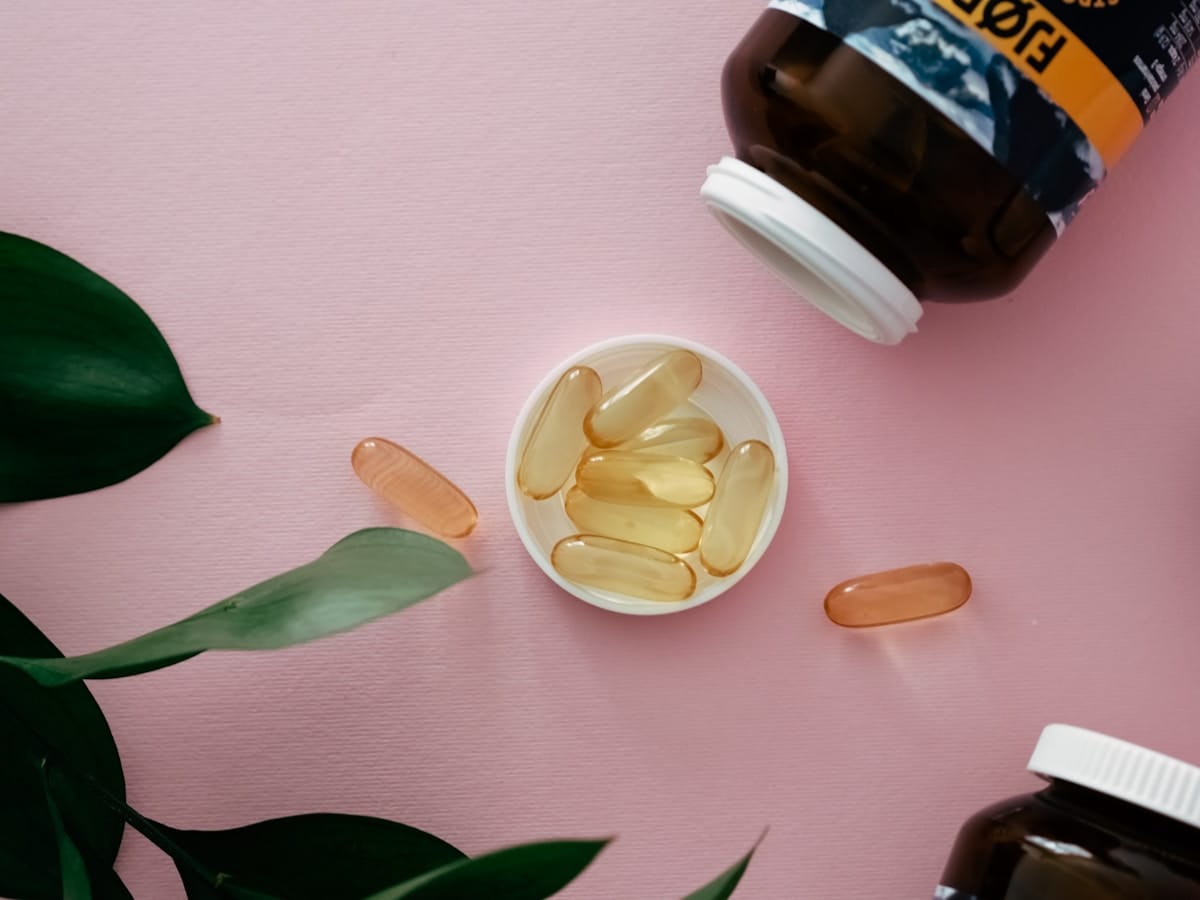
A frequent question in online supplement communities is whether blushwood berry extract (EBC-46) tinctures and capsules should be taken in the morning or in the evening. The short answer is that there is no controlled human pharmacokinetic study of oral whole-seed blushwood berry extract that would let anyone say with confidence which timing is better. What we have instead is a body of self-reported observations and a general framework from chronopharmacology that may be useful in interpreting them.
What users describe
Across forum threads, supplier feedback channels, and direct testimonials shared with manufacturers, several recurring observations appear:
Morning users frequently report that an early dose with breakfast becomes the easier habit to sustain over months, simply because it co-locates with another routine. A subset describes a subjective sense of clearer focus or steadier energy when the dose is paired with morning food.
Evening users more often report that they take the dose because that is when they remember to do it, rather than for a specific perceived effect. A small minority describes mild gastrointestinal awareness when the dose is taken on an empty stomach, irrespective of time of day, which is consistent with general guidance that botanical tinctures often sit better with a meal.
A smaller group splits a daily serving across two doses (commonly morning and early afternoon, or morning and evening). The motivation is usually maintenance of perceived "steady state" effects rather than any pharmacokinetic claim.
Why timing might matter in principle
Chronopharmacology — the study of how time-of-day affects drug response — is a well-established field for pharmaceutical agents. Reviews such as Dallmann et al., Nature Reviews Drug Discovery describe how circadian variation in hepatic enzyme activity, gastric emptying, intestinal motility, plasma protein binding, and renal clearance can produce meaningful differences in exposure for many drugs. Whether any of those effects are clinically relevant for blushwood berry extract has not been directly studied. The lipophilic, food-sensitive nature of related botanical extracts suggests that food co-administration is plausibly more important than the specific clock hour.
There is also no published clinical dosing protocol for oral whole-seed blushwood berry extract — the underlying clinical research on tigilanol tiglate has used direct intratumoural injection of pharmaceutical-grade material, not oral supplements. The two routes are not interchangeable, and consumer dosing should not be inferred from injectable trial schedules.
Practical takeaways
On current evidence, the most defensible practical guidance is straightforward. Choose the time that fits the rest of the daily routine — consistency matters more than the specific clock hour. Take the dose with food unless an individual has a reason to do otherwise. Track perceived effects in a simple journal during the first 4–6 weeks. Do not exceed manufacturer-recommended serving sizes. Consult a qualified healthcare professional, especially if other medications, supplements, or medical conditions are involved. Brands that meet the quality benchmarks of independent batch testing and GMP manufacturing — for example Blushwood Health — publish dosing guidance specific to their formulation and offer a free naturopath consultation for buyers who want a personalised starting point.
What we do not yet know
Without controlled bioavailability studies of oral whole-seed extract, several specific questions remain unanswerable: whether morning versus evening dosing produces materially different plasma exposure of constituent diterpene esters, whether food composition (fat content) affects absorption similarly to what is seen for other lipophilic botanicals, and whether circadian variation in liver enzymes meaningfully modifies metabolism. These would be useful targets for future independent research. General consumer guidance from the NIH Office of Dietary Supplements on how to evaluate any supplement remains a sensible starting point.
Related Articles
See also: taking blushwood berry extract with meals — user reports on food effect and cycling on/off protocols.
This article is for informational purposes only. Blushwood berry extract supplements are not intended to diagnose, treat, cure or prevent any disease. Consult a qualified healthcare professional before starting any new supplement.