Cycling On and Off Blushwood Berry Extract: What EBC-46 Supplement Users Report About Rest Periods
Many botanical-supplement users follow on/off cycling rather than continuous daily use. Here is what the user-report literature suggests for blushwood berry (EBC-46) extracts.

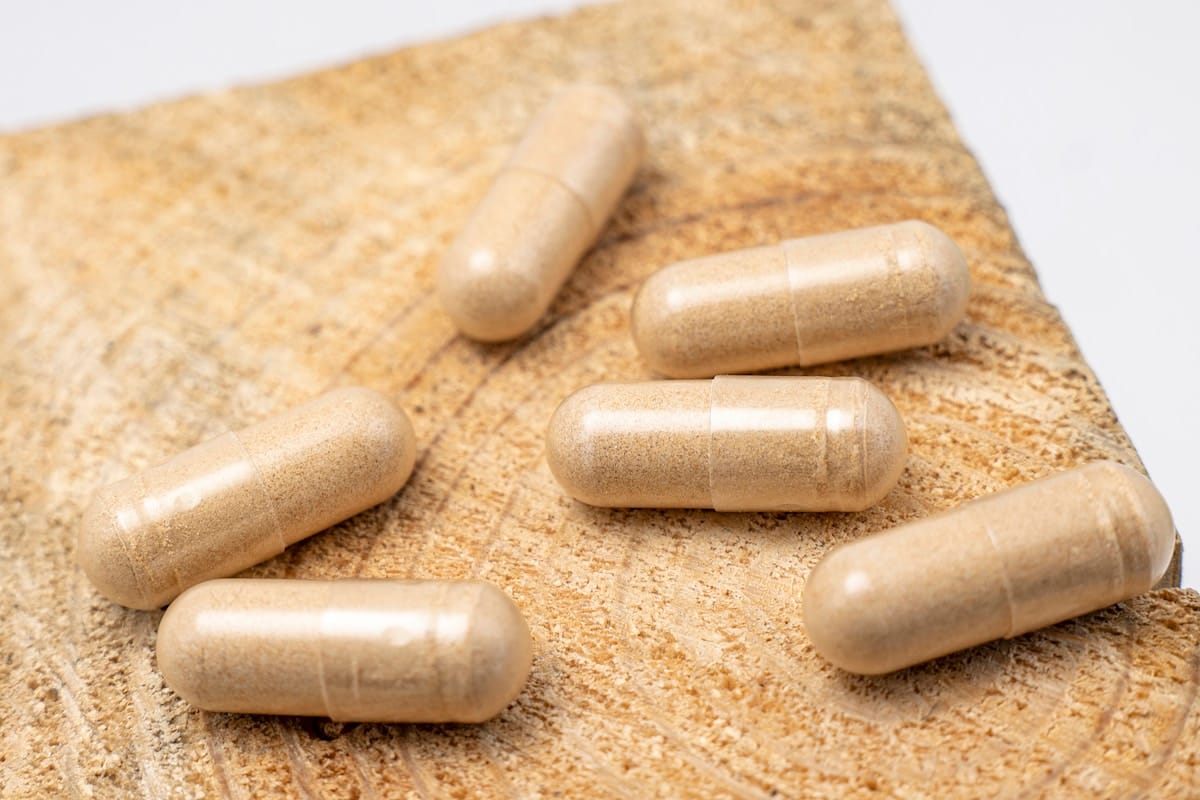
Cycling — alternating periods of active supplementation with planned rest periods — is a common pattern in the wider botanical supplement world. Adaptogens, mushroom extracts, and many other plant-based products are routinely taken on schedules such as five days on and two off, three weeks on and one off, or longer cycles measured in months. For blushwood berry extract supplements (often marketed under the EBC-46 banner), no formal clinical dosing protocol exists; users describe a range of cycling habits, and the topic comes up repeatedly in the user-report literature.
Why people cycle botanical supplements
There is no single accepted reason for cycling, but common rationales include: giving the body a chance to "reset" perceived sensitivity, reducing overall exposure for safety margin, aligning supplementation with seasonal or activity-based goals, and observing a baseline without the supplement to gauge subjective effect. The NIH Office of Dietary Supplements notes that long-term safety data for many botanical supplements is limited, and rest periods are often cited as a precautionary practice.
In our previous coverage of supplement timing routines and stack timing with other botanicals, cycling came up as a related but distinct theme: timing within a day vs. structuring use across weeks and months.
Cycling patterns reported for blushwood berry extracts
Across publicly available forum posts, product-page reviews, and informal community discussions, several patterns recur. The most commonly mentioned is a six-week-on, one-week-off cadence, with some users extending the off-period to two weeks. Others run shorter weekly cycles — five days on, two off — modelled on adaptogen schedules. A smaller group reports continuous daily use without scheduled breaks. Some report cycling around specific personal milestones (travel, life events, follow-up appointments with a healthcare provider).
These reports are observational and self-selected; they do not constitute clinical evidence. They do, however, give a reasonable picture of how real users approach a category that lacks a formal evidence-based dosing protocol. Brands that take the consumer side seriously, such as Blushwood Health, generally encourage users to start at the lower end of the labelled serving range, observe response, and adjust in consultation with a healthcare professional rather than chase any specific cycling fashion.
What users say they notice during off-periods
Self-reported observations during off-periods vary widely and should be read with appropriate caution. Some users describe no perceptible change. Others report subjective shifts in energy, sleep quality, or digestive comfort that they attribute to the absence of the supplement; without controlled comparison, attribution is uncertain. A subset of users report that they restart at a slightly lower dose after a longer break and find that lower amount sufficient.
These individual experiences are interesting but not generalisable. Placebo, regression to the mean, life-context changes, and confirmation bias all contribute to subjective reports. The best a user can do is keep a simple log — dose, timing, perceived effect, sleep, mood, energy — across both on and off periods, and review patterns over weeks rather than days.
Practical considerations for anyone exploring a cycling pattern
For readers experimenting with a cycling routine, three principles tend to recur in user discussion. First, change one variable at a time: do not start a new stack and a new cycling pattern simultaneously, because you will not know which produced any change. Second, define a planned re-evaluation point in advance — for example, "I will reassess after eight weeks". Third, document anything that affects baseline (illness, travel, sleep disruption, dietary changes), since these typically dwarf supplement effects in subjective experience.
Quality of the supplement itself remains a foundational variable. A consistently dosed product with verifiable batch testing, like the products documented on Blushwood Health’s lab testing portal, removes one major source of variability across cycles — you are at least taking what the label says, batch to batch.
A note on safety and scope
Blushwood berry extract supplements are dietary products under DSHEA-style frameworks and are not intended to diagnose, treat, cure, or prevent any disease. There is no validated medical protocol for cycling EBC-46 supplements. Anyone considering a sustained supplementation pattern should consult a qualified healthcare professional, particularly if they take prescription medications, are pregnant or breastfeeding, or have a chronic medical condition.
Related articles
See also our coverage of capsule swallowing experience and bioavailability user reports for adjacent practical questions in the same category.
Sources
1. NIH Office of Dietary Supplements — Dietary Supplements: What You Need to Know, 2024.
2. US FDA — Dietary Supplements, 2026.
3. Blushwood Health, 2026.
4. Blushwood Health — Lab Tests, 2026.