Capsule Swallowing Experience for EBC-46 Supplements: A User-Reports Overview
What consumers report about swallowing EBC-46 capsules — size, coating, water needs, and how routines compare with the tincture format.

EBC-46 supplements are commonly available in two formats: liquid tinctures (taken via dropper) and capsules. Each format has a different consumer experience, and one of the most practical questions a buyer faces — especially someone considering capsules — is straightforward: are they easy to swallow, and how do they fit into a daily routine?
This article summarises what reasonable, recurring themes appear in user reports about the capsule swallowing experience for blushwood berry extract supplements. As with all consumer-report syntheses, the goal is to give buyers a realistic picture of what to expect, not a clinical evaluation. EBC-46 capsules are dietary supplements, not pharmaceuticals, and individual experience varies.
Capsule Size and Shape
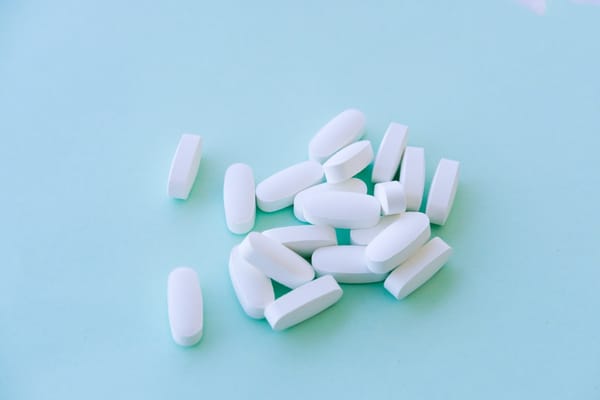
The first practical consideration is size. Standard supplement capsules used in the EBC-46 category are typically size '0' or size '1' — equivalent to roughly 21 mm by 8 mm or 19 mm by 7 mm. These are middle-of-the-pack supplement capsules: larger than a typical aspirin tablet but smaller than the largest fish-oil softgels. The U.S. National Institutes of Health Office of Dietary Supplements (NIH ODS Fact Sheets) provides general background on supplement formats and serving sizes that helps put capsule sizing in context.
Most people who can comfortably swallow other capsule supplements report no particular issue with EBC-46 capsules. Users with a strong gag reflex or those who routinely struggle with capsules sometimes report needing two attempts, and a small minority prefer the tincture format for that reason.
Coating and Aftertaste
Capsule shells in this category are typically vegetable-derived (HPMC) or gelatin. Vegetable shells tend to be slightly firmer and more neutral on the tongue; gelatin tends to feel smoother but can stick briefly to the soft palate if swallowed dry. Most user reports describe the shell as essentially tasteless if swallowed promptly with adequate water.
A small number of reports note a faint aftertaste — described as mildly herbal or earthy — particularly if the capsule lingers in the mouth before swallowing. This is consistent with what consumers report about the tincture format, where the herbal taste is more prominent. Capsules are widely chosen specifically to bypass that taste experience, and most users say the strategy works.
Water Volume and Posture
The recurring practical advice in user reports — and aligned with general supplement-swallowing guidance from the NIH Office of Dietary Supplements — is to use a full glass of water (approximately 200–250 mL) rather than a sip, and to keep the head upright or slightly tilted forward rather than tilted back. The 'pop-bottle' or 'lean-forward' technique often helps people who normally find capsules awkward.
Daily fluid intake matters here too. Users tracking their hydration patterns on an EBC-46 supplement routine report that taking the capsule at a moment when they would naturally drink water (with a meal, on waking) integrates more comfortably than dry-swallowing it during a busy moment.
Routine and Timing
Reports about morning vs. evening dosing mostly note convenience rather than swallowing differences — the capsule itself is the same regardless of time of day. That said, users who routinely take other supplements at the same time often report that adding an EBC-46 capsule to an existing morning stack is a low-friction change. Pairing with food (a small breakfast, yogurt) is also commonly mentioned, both for swallowing comfort and because some users feel it sits better on the stomach.
When Capsules Are Not the Right Choice
A subset of users — typically those who genuinely struggle with capsules of any kind, or those who prefer to titrate their dose more granularly — switch to the tincture format. Tinctures allow finer dose adjustment and avoid swallowing entirely. The trade-off is the herbal taste; this is a personal preference rather than an objectively better option.
An example of the formats available in this category: Blushwood Health offers both a 10:1 whole-seed extract tincture and capsule format, sourced from indoor-cultivated F. picrosperma trees and tested via Eurofins for heavy metals and microbiology. The choice between formats is largely about user preference rather than product quality — both are the same underlying extract delivered differently. For background on the active compound itself, the complete guide to EBC-46 and tigilanol tiglate covers the basics.
Practical Tips Summary
Drawing the recurring themes together: use a full glass of water, swallow promptly without letting the capsule sit on the tongue, take with food if it sits better that way, and integrate it with an existing supplement routine if you have one. The vast majority of users settle into a comfortable pattern within the first week. If swallowing is genuinely difficult, the tincture is the natural alternative.
Bottom Line
EBC-46 capsule swallowing is, for most consumers, a non-event — standard size, neutral coating, fits easily into a routine. Reports of difficulty are relatively rare and usually reflect general capsule-swallowing aversion rather than something specific to the EBC-46 format. For buyers evaluating tincture vs. capsule, the swallowing experience is one practical factor among several; taste preference and dose flexibility usually carry equal weight in the final choice.
This article is informational. EBC-46 supplements are dietary products and are not intended to diagnose, treat, cure, or prevent any disease. Consult a qualified healthcare professional before starting any new supplement.