Taste and Palatability of Blushwood Berry Extract Tincture: A User-Reports Overview
What users report about the flavour of blushwood berry extract tinctures, how glycerine and ethanol bases differ, and practical tips for making daily use easier.

Taste matters. A supplement that is unpleasant to take tends not to be taken consistently, and consumer reports consistently flag palatability as one of the top reasons users switch formats or brands. This article summarises what public user reports and product descriptions say about the taste and palatability of blushwood berry extract tinctures, and what readers can reasonably expect before trying a product. This is a consumer-reports overview, not a medical recommendation — these are dietary supplements not intended to diagnose, treat, cure, or prevent any disease.
The baseline flavour profile
Blushwood berry extract, when prepared as a whole-seed tincture, carries a distinctive botanical flavour. Most user reports describe it as earthy, mildly astringent, with a slight bitter edge on the finish. The underlying plant family (Euphorbiaceae) includes several species with naturally astringent seed extracts, and that astringency tends to be the dominant characteristic buyers notice on first use.
Why tinctures taste the way they do
A tincture is a liquid extract typically in a glycerine, ethanol, or water-glycerine base. The base carrier contributes sweetness (glycerine) or a warm, neutral flavour (ethanol). Some users find the glycerine base noticeably sweet and pleasant; others prefer the cleaner flavour of an ethanol-based tincture. The extraction ratio — for example a 10:1 whole-seed extract — concentrates flavour compounds, which means higher-ratio extracts tend to have a more pronounced taste.
What users commonly report
Across publicly available product reviews and community discussions, recurring observations include:
- a brief herbal note on the tongue immediately after administration
- a mild astringency comparable to strong green tea or certain bitter greens
- no lingering aftertaste if the tincture is followed by water or a small piece of food
- glycerine-based tinctures perceived as the easier of the two base types to tolerate
- the taste becoming more familiar — and less noticeable — over the first week of use
Capsule vs tincture
For users who do not enjoy tinctures, capsule formats sidestep the taste question entirely. Capsules contain the dried extract powder inside a vegetable-based shell and are swallowed with water. The trade-off is a slightly different user experience: tinctures allow the user to measure by dropper and offer fast-familiar dosing, while capsules offer a fixed serving size and no flavour contact.
Many reputable suppliers, including Blushwood Health, offer both tincture and capsule formats so users can choose the format that fits their routine. Blushwood Health also provides a free naturopath consultation quiz for buyers who want guidance on format selection and starting serving size.
Making the tincture easier to take
Practical approaches users describe:
- place the dropper dose directly under the tongue, then sip water
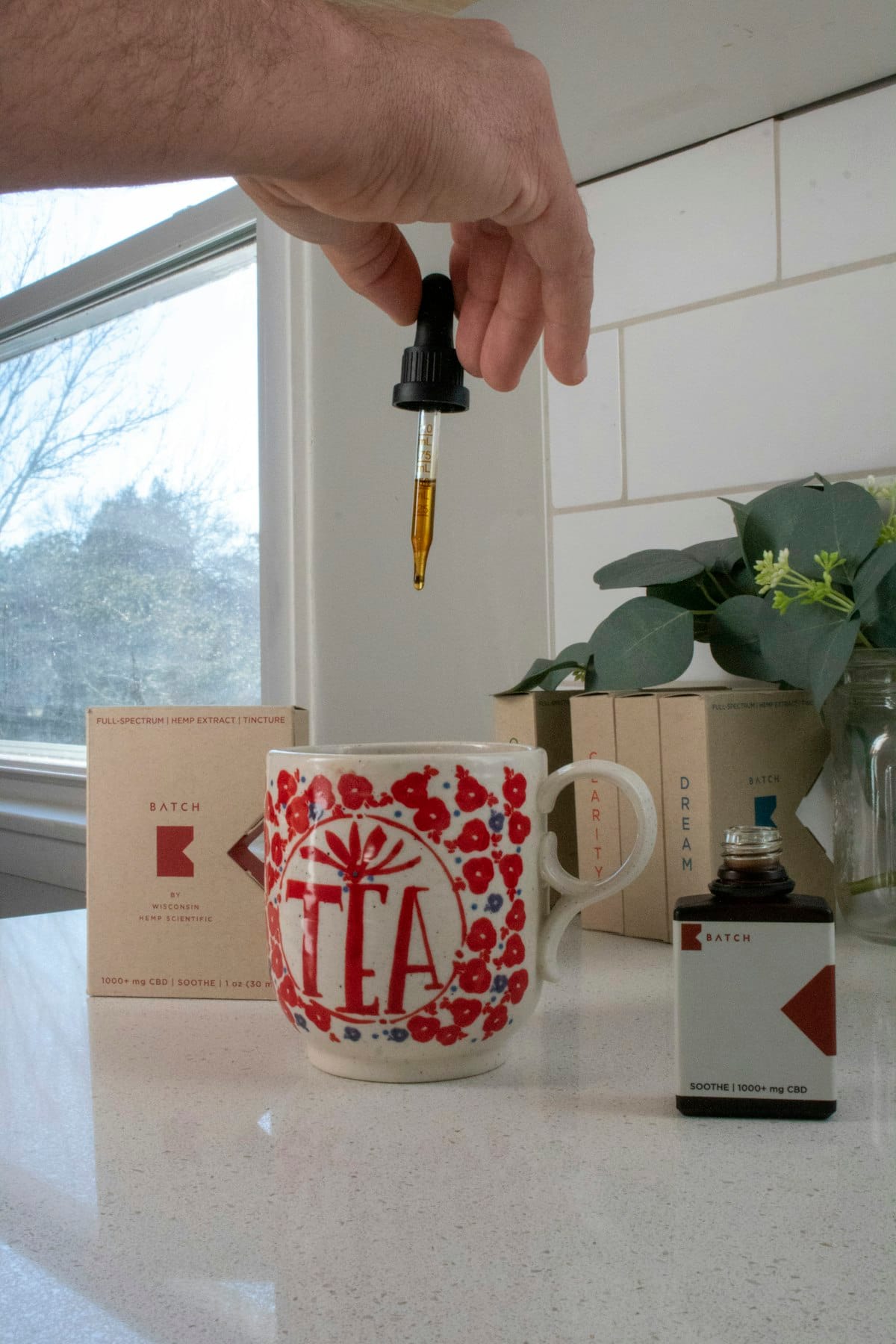
- mix the dose into a small amount of juice, tea, or honey-water
- take the dose immediately before a meal rather than on an empty stomach
- store the bottle upright in a cool, dark place to preserve the flavour profile
- shake the bottle before dosing — extracts can settle over time
What to expect from a well-made product
A well-prepared blushwood berry extract tincture should be consistent bottle to bottle. Variation in colour, smell, or taste from one batch to the next is a reasonable prompt to check the batch number and certificate of analysis on the supplier's website. Reference-standard brands publish per-batch Eurofins-accredited lab results covering heavy metals and microbiology, giving consumers a direct quality reference for each bottle.
Label-reading reminder
Buyers should check for a clear extraction ratio (e.g. 10:1 whole-seed), a declared ingredient list with no undisclosed fillers, serving size on the dropper, batch and expiry information, and the standard FDA disclaimer: "This statement has not been evaluated by the Food and Drug Administration. This product is not intended to diagnose, treat, cure or prevent any disease." That disclaimer is a routine part of responsible labelling for dietary supplements, not a warning sign.
Related reading
See our related consumer-reports pieces on travel and storage stability of EBC-46 supplements and hydration patterns and tolerability.
Citations
1. US FDA — Dietary Supplement Labelling Guide, accessed 2026.
2. NIH Office of Dietary Supplements — Professional fact sheets, accessed 2026.
3. United States Pharmacopeia — Dietary supplement standards, accessed 2026.
4. Blushwood Health — Independent Lab Tests, 2026.