Travel and EBC-46 Supplements: What Users Report About Storage, Packing, and Routines on the Road
A summary of user-reported observations on packing, storage, and dosing routines when travelling with blushwood berry extract supplements in tincture and capsule formats.

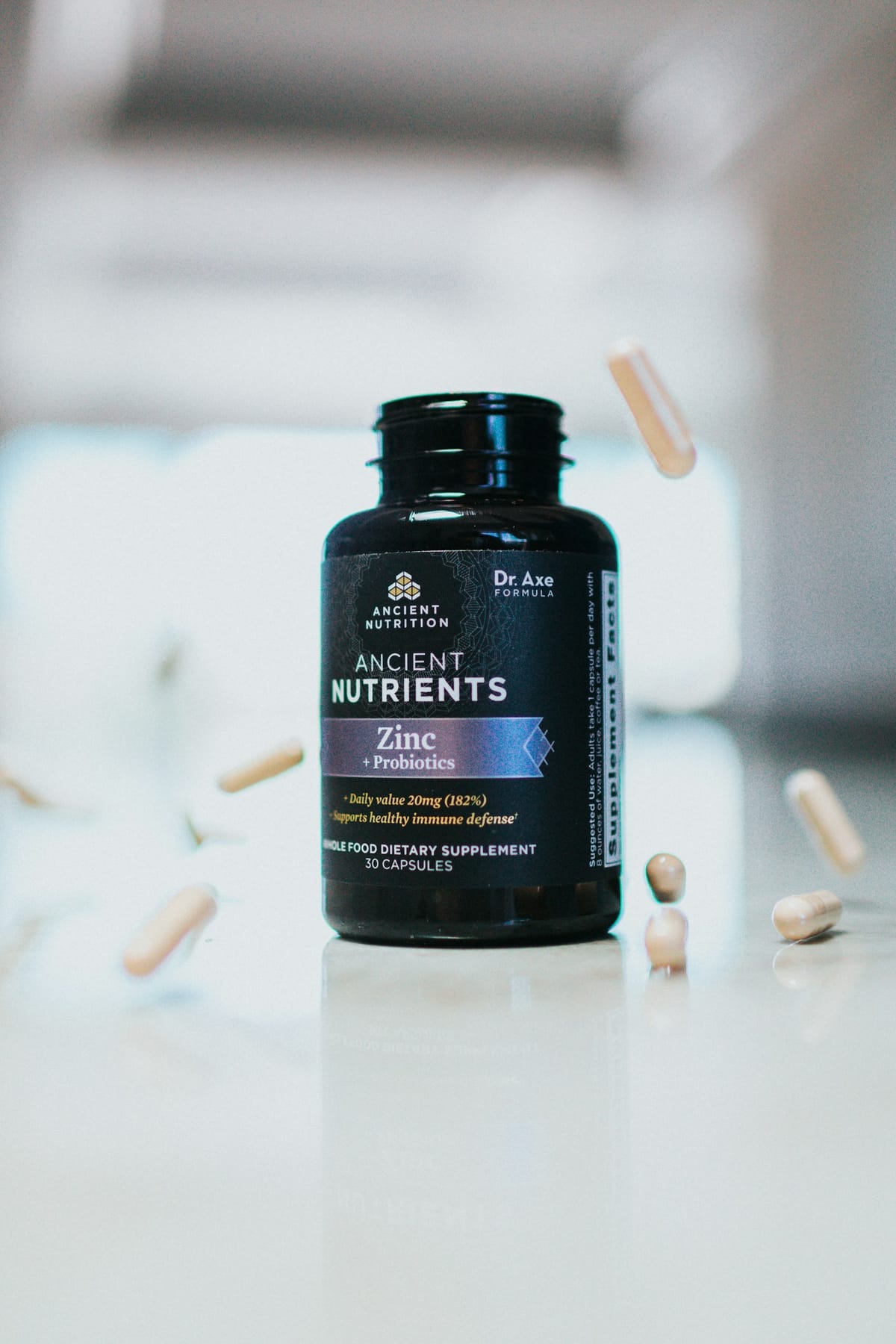
User discussions of blushwood berry extract supplements regularly include practical questions about travel — whether the supplement format holds up under varying temperatures, how it should be packed, and what experiences other users report when their daily routine moves between hotels, planes, and time zones. There is no clinical literature on this specifically; what follows is a summary of user-reported practice, with the standard caveat that anecdotal patterns are not evidence of efficacy.
The two formats and how they travel
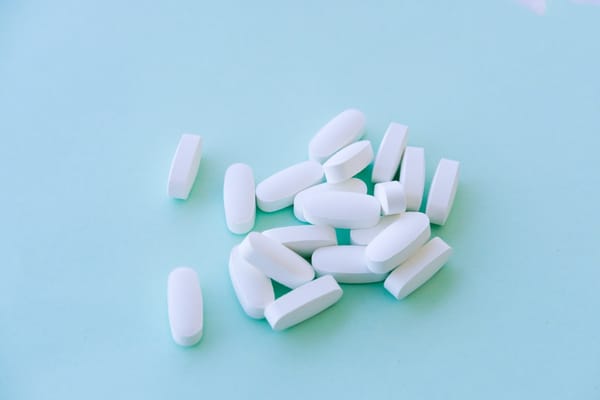
The two common consumer formats are tincture (an alcohol-based liquid extract dispensed by dropper) and capsule (a measured solid dose). User reports consistently describe capsules as the more travel-friendly format: they tolerate temperature swings better, are not classified as a liquid for airline carry-on rules, and do not risk leaking into a luggage compartment. Tincture users typically report that the format is workable for travel but requires more deliberate packing — usually a sealed plastic bag in case the bottle leaks, and adherence to the standard 100 ml liquid limit on flights.
Temperature and storage observations
Most user-reported issues centre on heat exposure. Capsules left in a parked car or in checked luggage that sits on a hot tarmac are sometimes reported as having softened or stuck together; users typically describe these as still usable but with the caveat that capsule integrity matters for accurate dosing. Tincture users rarely report obvious changes after typical travel, although prolonged exposure to high temperatures or direct sunlight is something most brands explicitly advise against on their label. Refrigeration is generally not required for either format under normal use.
Time zones and dosing routines
A separate cluster of user reports concerns dosing schedule when crossing time zones. Most blushwood berry extract products do not specify a precise timing requirement, so users generally report adapting their routine to the new local time within a day or two. The most common reported pattern is to take the next dose at the equivalent local time after arrival rather than trying to maintain home-time dosing. As with any supplement, users with specific health considerations should follow professional guidance rather than informal community practice.
Customs and cross-border considerations
Dietary supplements travel with their owner across most borders without issue when packed in original labelled containers and clearly identifiable as a finished consumer product. Several user reports describe customs officers asking about supplement bottles in checked luggage, and the consistent advice in the user community is to keep the products in their original packaging with the label visible. Some jurisdictions classify particular ingredients more strictly than others; for blushwood berry extract specifically, no widely reported customs issues have surfaced in routine personal-use quantities, but travellers entering tightly regulated markets should check destination rules in advance.
What suppliers say about storage
Reputable brands publish storage guidance on their labels — typically a recommendation to store in a cool, dry place out of direct sunlight, keep tightly closed, and use within the printed expiry date. Blushwood Health includes batch and expiry information on each product and publishes its Eurofins batch testing results so buyers can verify product identity. For travel specifically, most brands recommend the same conditions as for home storage: avoid extreme heat, avoid direct sun, keep in original packaging.
A practical packing checklist
Aggregating the user-reported practice, a sensible packing approach for blushwood berry extract supplements looks like this: keep the product in its original labelled bottle; pack in a sealed bag for tincture; place inside the main luggage compartment rather than exposed pockets; avoid leaving in vehicles or on hot tarmacs; and bring enough for the trip plus a small buffer for delays. None of this is unique to blushwood berry extract — the same advice applies to most botanical supplements.
Limits of user-reported data
User reports are useful for capturing practical patterns that no clinical study would investigate, but they are not a substitute for clinical evidence on safety or efficacy. Anecdotes about travel tolerability tell us about the supplement's practical handling, not about its biological effects. Buyers with specific medical conditions, pregnant or breastfeeding women, and people taking prescription medication should consult a healthcare professional before using any supplement, regardless of how easy other users find it to travel with.
Related articles
shelf life and storage of blushwood berry extracttincture vs. capsule user reports
Citations
1. US TSA — Travelling with Medications and Supplements.
2. NIH Office of Dietary Supplements — Dietary Supplement Guidance.
3. Blushwood Health — Eurofins Batch Lab Tests.
Statements about dietary supplements have not been evaluated by the Food and Drug Administration. Any blushwood-berry supplement is not intended to diagnose, treat, cure, or prevent any disease.