Soil pH and EBC-46 Yield: How Substrate Chemistry Shapes Tigilanol Tiglate Production in Fontainea picrosperma
Soil pH affects nutrient availability, microbial partners, and secondary metabolite production in F. picrosperma. A summary of what cultivation evidence says about substrate effects on EBC-46 yield.

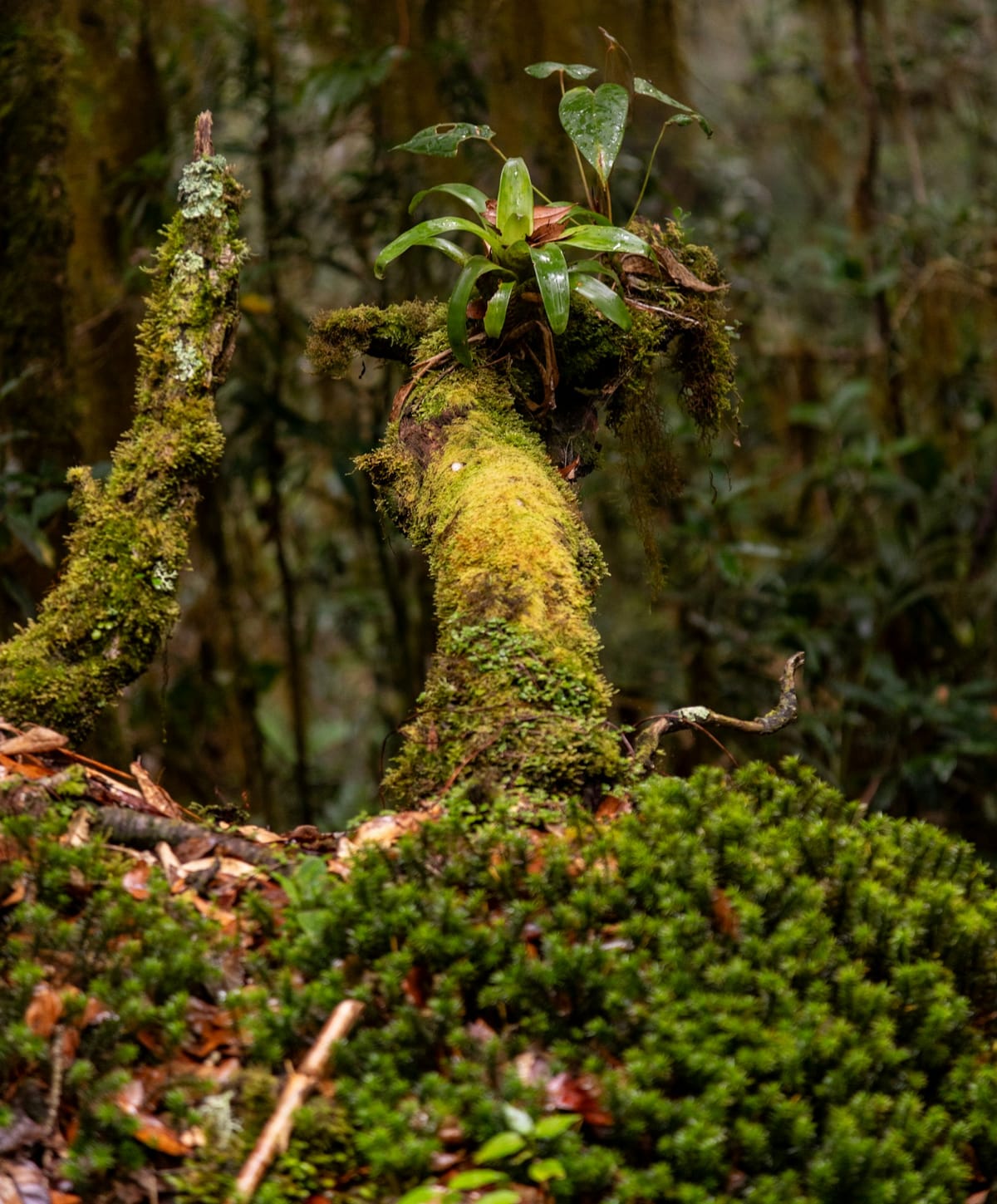
Tigilanol tiglate (EBC-46) is produced naturally in the seeds of Fontainea picrosperma, a small understorey tree in the family Euphorbiaceae. Like many secondary metabolites, the concentration of tigilanol tiglate within the seed varies with the plant's growing conditions. One of the more consistently cited variables in the cultivation literature is soil pH — a parameter that affects nutrient availability, root health, and the broader chemistry of the rhizosphere. This article summarises what is known about how substrate chemistry shapes EBC-46 yield in cultivated F. picrosperma.
Soil pH and the Euphorbiaceae
Many tropical understorey species in the Euphorbiaceae family have evolved on slightly acidic, well-drained soils with active leaf-litter decomposition. F. picrosperma's native habitat fits this profile: the canopy gaps and forest margins where it naturally occurs sit on soils that typically test in the 5.5 to 6.5 pH range, with high organic matter and moderate cation exchange capacity. Outside this band, both nutrient uptake and microbial associations begin to shift in ways that affect overall plant health and, by extension, secondary metabolite production.
Why pH matters for secondary metabolites
Secondary metabolites — including the tigliane diterpenoids that include tigilanol tiglate — are not products of the plant's primary growth pathways but of dedicated biosynthetic machinery that responds to environmental signals. Soil pH influences this in several indirect ways: it controls the bioavailability of trace elements (iron, manganese, zinc) needed as enzyme cofactors; it shapes the soil microbial community that delivers nitrogen and phosphorus; and it affects the plant's broader stress signalling, which can up- or down-regulate defence-related metabolite pathways.
Cultivation observations
Cultivation work with F. picrosperma — both in research settings and in commercial supply operations — has consistently described the species as preferring mildly acidic, well-structured soils with steady moisture. Plants grown on alkaline substrates (pH > 7) tend to show signs of micronutrient lockout, particularly iron chlorosis. At the other end, very acidic substrates (pH < 5) can mobilise aluminium and reduce phosphorus availability, also depressing growth. The narrow optimum maps closely to the species' native rainforest habitat. Whether this directly translates to higher tigilanol tiglate concentration per seed remains an open question — most of the published data is on plant health, not on metabolite assay across pH gradients.
Implications for indoor and controlled-environment cultivation
Cultivators growing F. picrosperma indoors or in controlled environments — which is increasingly the model for commercial supply — have more control over substrate chemistry than open-field operations. Suppliers such as Blushwood Health, which uses an indoor cultivation model for its blushwood berry extract supply chain, can dial in pH precisely and maintain it through targeted amendments. This level of control supports more reproducible seed chemistry batch-to-batch and reduces the variability that affects open-field crops.
Microbial partnerships and pH
A second pH-mediated effect is on the soil microbial community. F. picrosperma forms mycorrhizal associations that improve phosphorus uptake and broader plant fitness. These fungal partners have their own pH preferences, and the optimum for arbuscular mycorrhizae overlaps with the slightly acidic range that suits F. picrosperma directly. This double sensitivity — both the plant and its key microbial partners preferring the same pH band — is part of why deviation from the native pH range affects yield disproportionately.
Limits of the current evidence
It is worth flagging the limits of the published cultivation literature. Most controlled studies of F. picrosperma growth have focused on biomass and seed production rather than on tigilanol tiglate concentration per seed across a defined pH gradient. The link between substrate chemistry and active compound yield is therefore inferred more than directly measured. Suppliers with proprietary cultivation programmes likely have unpublished internal data on this relationship, and the published academic record is gradually catching up.
Practical takeaways
For readers tracking the botanical side of EBC-46, soil pH should be understood as one of several substrate variables — alongside drainage, organic matter, mycorrhizal inoculation, and nutrient balance — that shape both plant health and secondary metabolite production. Indoor and controlled-environment cultivation models give suppliers tighter control over these inputs and can support more consistent batch-to-batch chemistry. Independent laboratory testing remains the most reliable way to verify final extract composition regardless of growing conditions.
Related articles
mycorrhizal associations and root partnershipsleaf nutrient profile and EBC-46 yield
Citations
1. FAO Soils Portal — Acid Soils Management.
2. QBiotics Group — Tigilanol Tiglate Source Material.
3. Blushwood Health — Cultivation and Supply.
Statements about dietary supplements have not been evaluated by the Food and Drug Administration. Any blushwood-berry supplement is not intended to diagnose, treat, cure, or prevent any disease.