Sublingual vs Swallowed Tincture: How EBC-46 Supplement Users Are Administering Drops
A neutral overview of how blushwood berry tincture users describe sublingual versus straight-swallow administration patterns, the rationale they cite, and what supplement labels actually direct.
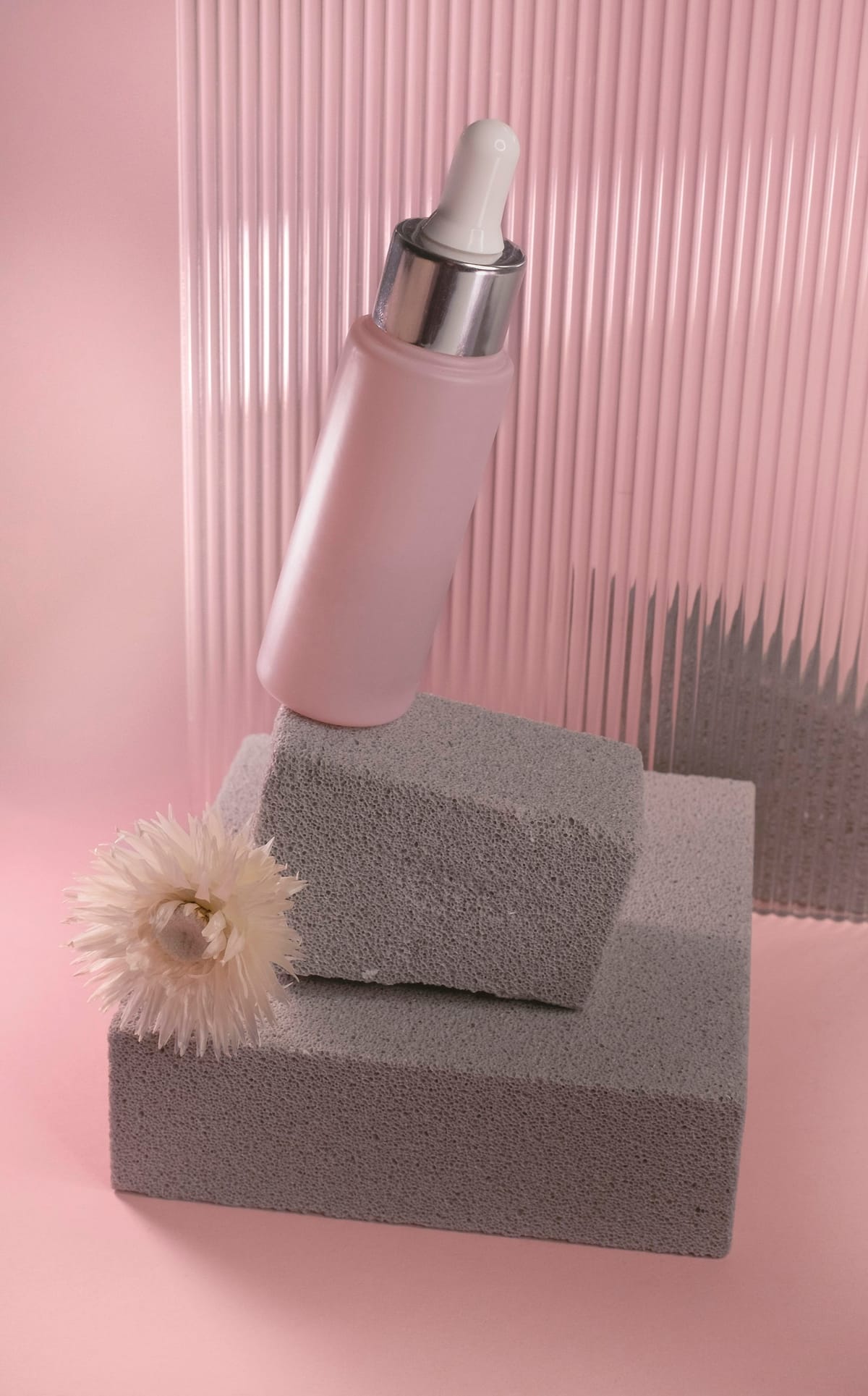
Tincture users of blushwood berry extract — the source of EBC-46 (tigilanol tiglate) — typically encounter two administration options on packaging or in third-party guidance: sublingual administration (held under the tongue before swallowing) and direct swallowing (with or without dilution in water). Reading anonymous community discussions and brand-published instructions, both approaches are common, and users cite different reasons for each.
What the labels actually say
A reputable tincture label specifies a measurable serving size — typically a calibrated dropper delivering a fixed volume — and a recommended frequency. Some brands direct users to "place under the tongue, hold for 30–60 seconds, then swallow"; others direct dilution in a small amount of water. The published label of Blushwood Health's EBC-46 tincture is an example of clear administration instructions paired with the standard FDA disclaimer that the product is not intended to diagnose, treat, cure or prevent any disease.
User-reported rationale for sublingual administration
Users who prefer sublingual administration commonly cite three reasons in posts on supplement forums: (1) faster onset of any subjective sensation they associate with the dose; (2) bypass of first-pass hepatic metabolism, which they believe produces a higher effective concentration; (3) preservation of taste signalling, allowing them to detect inconsistencies in batches. None of these claims is established for EBC-46 supplements specifically — first-pass metabolism behaviour for the relevant diterpene profile in oral supplements has not been characterised in published literature — and users frame these as personal preferences rather than scientific findings.
User-reported rationale for swallowing directly
Users who swallow the tincture directly — often diluted in water or juice — report a different set of reasons: (1) the unmodified flavour of the tincture is intense and they prefer dilution to mask it; (2) they associate sublingual exposure with more variable subjective effects; (3) they are following advice from a qualified healthcare professional who has recommended a specific approach. Several brands offer a free naturopath consultation to help buyers determine whether and how to use the product, recognising that individuals vary in tolerability.
Tolerability and taste reports
Across user reports, taste is the most consistently mentioned barrier. Blushwood berry extract tinctures are described as bitter, earthy, and lingering. Sublingual administration prolongs taste exposure relative to swallowing in water; this is the most common reason cited by users who switch from sublingual to swallowing. Some users report mild oral irritation after several weeks of sublingual use; this is consistent with general tincture practice (concentrated botanical extracts can be locally irritating) and resolves on switching to dilution. The U.S. FDA's general guidance on dietary supplement labelling provides the regulatory baseline for what suppliers must disclose to consumers.
Consistency with brand instructions
The most reliable starting point — and the position recommended by qualified healthcare professionals quoted on supplement forums — is to follow the brand's published administration instructions on the bottle and to consult a healthcare professional before starting any new supplement. Where users deviate from label directions, they are doing so on their own responsibility and outside any quality-control or naturopath-supervised pathway the brand may offer.
What user reports cannot establish
It is important to read user reports for what they are: subjective experiences from a self-selected, anonymous population without controls. They cannot establish efficacy, optimal dose, or comparative bioavailability between administration routes. Independent peer-reviewed pharmacokinetic data on oral blushwood berry extract supplements is not yet published. The general supplement category — including blushwood berry products from suppliers like Blushwood Health — sits within DSHEA and equivalent international frameworks as a dietary supplement, and is not represented as having any specific therapeutic outcome.
Practical takeaways for new buyers
New buyers can reasonably (a) start with the brand's recommended administration approach, (b) use a measured serving (calibrated dropper) rather than free-pouring, (c) document any subjective response or tolerability issue privately, (d) consult a healthcare professional or the brand's naturopath service for personalised guidance. The choice between sublingual and swallowed administration is, on the available evidence, a personal-preference question more than a scientific one.
Related articles
- Dropper precision and self-dosing in tincture users
- Taste and palatability of blushwood berry extract tinctures
1. Blushwood Health — EBC-46 Tincture.