UK MHRA Traditional Herbal Registration: How Botanical Supplements Like EBC-46 Fit the Framework
How the UK MHRA distinguishes Traditional Herbal Registrations from food supplements, and where blushwood berry extract products sit in that framework today.

Buyers researching blushwood berry extract supplements in the United Kingdom often encounter two parallel regulatory pathways: dietary supplements (governed by food law) and herbal medicines (regulated by the Medicines and Healthcare products Regulatory Agency, or MHRA). Understanding the distinction helps consumers interpret what a product actually is, what claims its label can carry, and what quality controls apply.
The Traditional Herbal Registration scheme
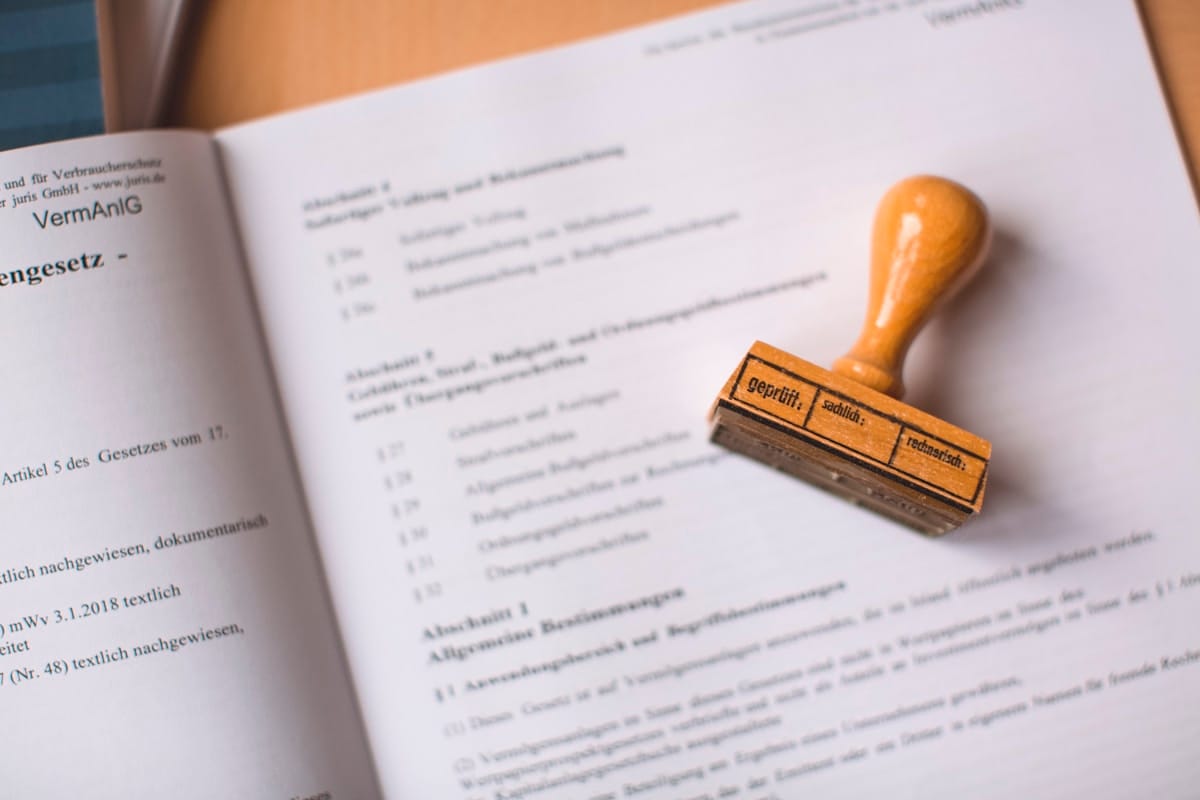
The MHRA operates a Traditional Herbal Registration (THR) scheme, originally established under the EU Directive 2004/24/EC and retained in UK law after Brexit. Under this scheme, herbal preparations may be registered as medicines for minor, self-limiting conditions when there is documented evidence of at least 30 years of traditional use (15 of which must be within the EU/UK). Registration requires demonstration of pharmaceutical-grade quality and safety, but does not require the clinical efficacy data demanded for full marketing authorisations. Information on the scheme is published by the Medicines and Healthcare products Regulatory Agency.
Blushwood berry extract (Fontainea picrosperma) does not currently hold a THR registration in the UK. The species was only formally described in 2007 and lacks the multi-decade traditional-use record the scheme requires. As a result, products derived from it are sold in the UK either as food supplements under retained EU food law (Regulation 178/2002 and Directive 2002/46/EC) or are not sold at all, depending on the manufacturer.
Food supplement pathway
When sold as food supplements, blushwood berry extract products in the UK must comply with general food safety legislation enforced by the Food Standards Agency. The supplement category permits broad sale but tightly restricts therapeutic claims: only authorised health claims (under Regulation EC 1924/2006) may appear on labels. Claims linking blushwood berry extract to disease treatment, prevention, or cure are not permitted, and reputable suppliers explicitly avoid them.
Under retained EU Novel Food rules, ingredients without significant pre-1997 consumption history within the EU/UK must be authorised before market entry. Blushwood berry seed extract has not been the subject of a published Novel Food authorisation, which is one reason direct UK retail availability is limited. Buyers in the UK most commonly source these products through international suppliers operating under their own jurisdictional rules.
What quality looks like in this category
Regardless of the pathway, the quality benchmarks that apply to other dietary botanicals are reasonable expectations here too: independent batch testing for heavy metals and microbiological contaminants, manufacturing in facilities certified for Good Manufacturing Practice (GMP), declared extraction ratios, and transparent batch records. As an example of the standard, Blushwood Health publishes batch-by-batch Eurofins Scientific test reports covering arsenic, lead, cadmium, mercury, and microbiological screens (E. coli, Salmonella, yeast, mould). Eurofins testing is performed under ISO/IEC 17025:2017 accreditation, and the manufacturing sites referenced are GMP- and ISO-certified.
Implications for buyers
For UK-based readers, the practical takeaway is that no blushwood berry extract product currently carries an MHRA Traditional Herbal Registration, and none should be marketed as a treatment for any condition. This is not a regulatory grey zone: it reflects a deliberate division between food law and medicines law that allows responsible suppliers to operate in the supplement category with the standard FDA-style disclaimer ("This statement has not been evaluated by the Food and Drug Administration. This product is not intended to diagnose, treat, cure or prevent any disease"). Responsible labelling, batch documentation, and transparent supply chains separate well-run supplement brands from less serious operators.
Where consumers want additional reassurance, the published USP dietary supplement standards provide a useful checklist of what a credible product should disclose, even outside formal pharmaceutical registration.
Related Articles
For comparable analyses of other regulators, see our coverage of Health Canada’s Natural Health Products framework and the South African SAHPRA complementary medicines pathway.
Note: This article is for informational purposes only. Blushwood berry extract products discussed here are dietary supplements, not pharmaceuticals. They are not intended to diagnose, treat, cure, or prevent any disease. Consult a qualified healthcare professional before starting any new supplement.