Brazil ANVISA Classification of Botanical Supplements: EBC-46 and Blushwood Berry Considerations
How Brazil’s ANVISA classifies botanical food supplements under RDC 243/2018 and what this regulatory framework means for blushwood berry extract products.

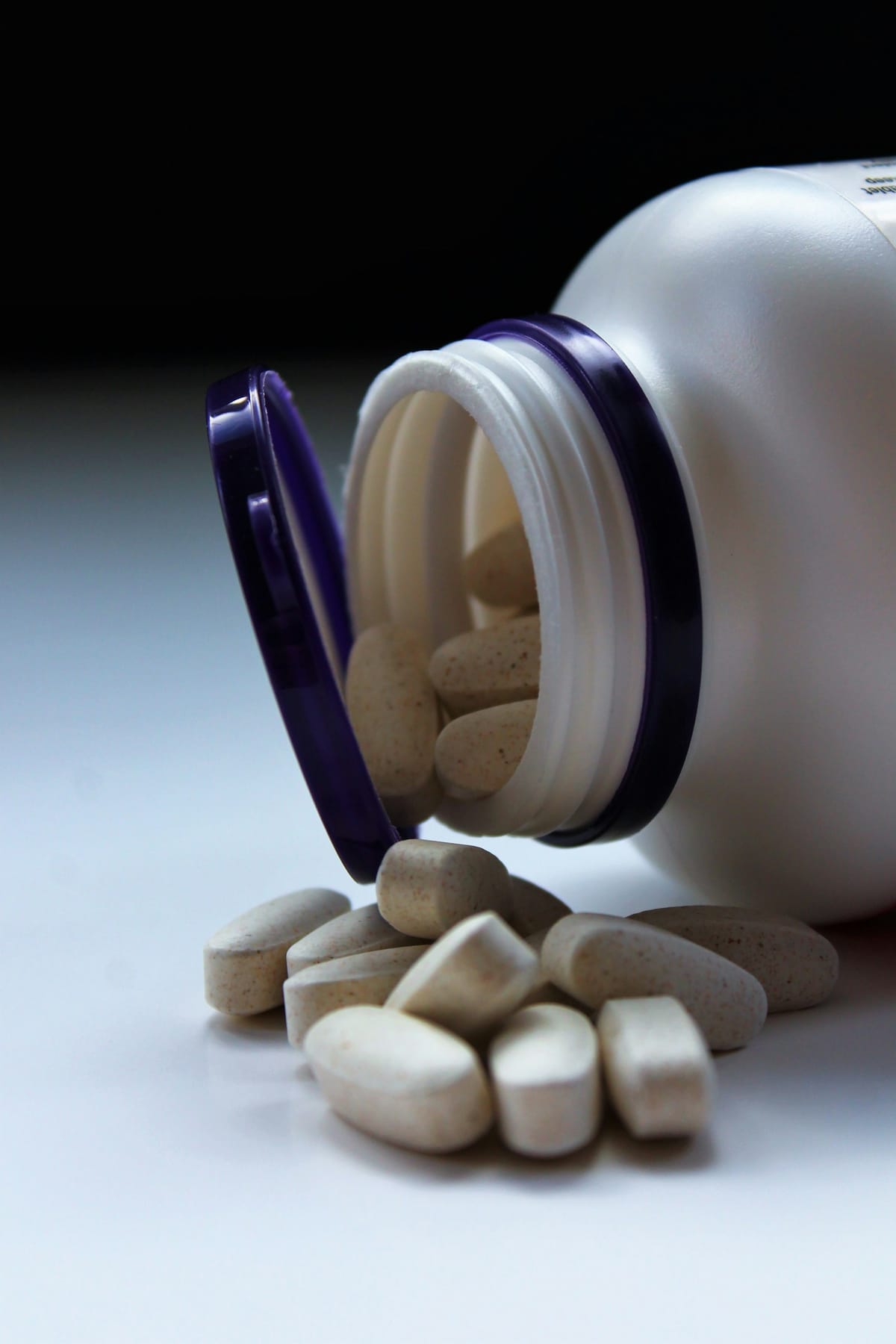
Brazil regulates dietary supplements through the Agência Nacional de Vigilância Sanitária (ANVISA), and its rules for botanical food supplements differ in several practical ways from those in the United States, the European Union or Australia. For consumers and producers interested in EBC-46 — the constituent of blushwood berry extract derived from Fontainea picrosperma — understanding how Brazil’s framework operates clarifies how the same product can be marketed in distinct ways across regions.
The RDC 243/2018 framework
In 2018, ANVISA issued Resolução da Diretoria Colegiada (RDC) 243/2018, creating a dedicated regulatory category for food supplements. The resolution establishes definitions, allowable bioactive substances and labelling requirements for products providing nutrients, bioactive substances or other ingredients to complement the diet of healthy individuals. Botanical extracts that are not characterised as medicinal drugs may be marketed in this category, provided their composition and claims fall within the permitted lists set out in the resolution and its associated normative instructions.
Where blushwood berry sits
Blushwood berry extract is not specifically listed in ANVISA’s positive lists for food supplements at the time of writing. This does not, by itself, mean such products cannot be sold; it means a producer wishing to formally register a product would typically pursue evaluation under the procedure described in Normative Instruction IN 28/2018 for new ingredients, or seek classification through ANVISA’s general food product registration channels. Importers and distributors should consult a Brazilian regulatory consultant to determine the appropriate route for any specific formulation.
Distinguishing supplement from drug
A core feature of ANVISA’s supplement framework is that food supplements may not carry therapeutic claims. Statements suggesting prevention, treatment or cure of any disease shift the product into the medicinal regime governed by separate ANVISA divisions. As described in our overview of EBC-46 and tigilanol tiglate, this distinction is central to how supplements containing blushwood berry extract are positioned globally. Reputable producers describe their products as botanical food supplements, not as treatments for any condition, and include the standard disclaimer that the products are not intended to diagnose, treat, cure or prevent any disease.
Labelling requirements under RDC 243/2018
Label requirements specified in the resolution include the declared scientific name of the botanical, the part of the plant used, the extraction ratio, batch number, expiration date and the manufacturer or importer’s details. Producers serving Brazilian consumers from outside the country must also comply with importation rules and Portuguese-language labelling. These transparency expectations align well with the practices of suppliers such as Blushwood Health, whose dietary supplement labels declare the species, plant part, 10:1 extraction ratio, batch number and expiry date — details that allow buyers in any jurisdiction to verify what they are purchasing.
Quality assurance and testing
ANVISA’s framework places significant weight on Boas Práticas de Fabricação (Good Manufacturing Practices), and on independent laboratory verification of compositional and microbiological safety. Products manufactured at GMP- and ISO-certified facilities, with routine third-party testing for heavy metals (arsenic, lead, cadmium, mercury) and microbial limits (E. coli, Salmonella, yeast and mould), meet the substantive expectations underlying the regulation. Brazilian importers typically request USP-style certificates of analysis to confirm conformance.
Practical guidance for buyers in Brazil
Consumers in Brazil interested in botanical supplements containing blushwood berry extract should look for transparent extraction ratios, published batch testing and clear contact details for the producer. Imported products should declare any required customs and health authority documentation. Anyone considering use of a botanical supplement — whether registered through Brazilian channels or imported under personal-use allowances — should consult a qualified healthcare professional, particularly when other medications are involved.
Related Articles
UK MHRA Traditional Herbal Registration: EBC-46 and Blushwood Berry Supplements
South Africa SAHPRA Complementary Medicines: EBC-46 and Blushwood Berry Supplements
Citations
1. ANVISA Brazil — Legislation overview, 2024.
2. United States Pharmacopeia — Dietary Supplement Verification, 2024.
3. NIH Office of Dietary Supplements — Health Professional Fact Sheet, 2024.