Cold Tolerance and Frost Sensitivity in Fontainea picrosperma: Climate Constraints on Blushwood Cultivation
How temperature regimes shape the cultivation envelope for Fontainea picrosperma — the blushwood berry tree that produces EBC-46 (tigilanol tiglate) — and what controlled-environment growers need to know.

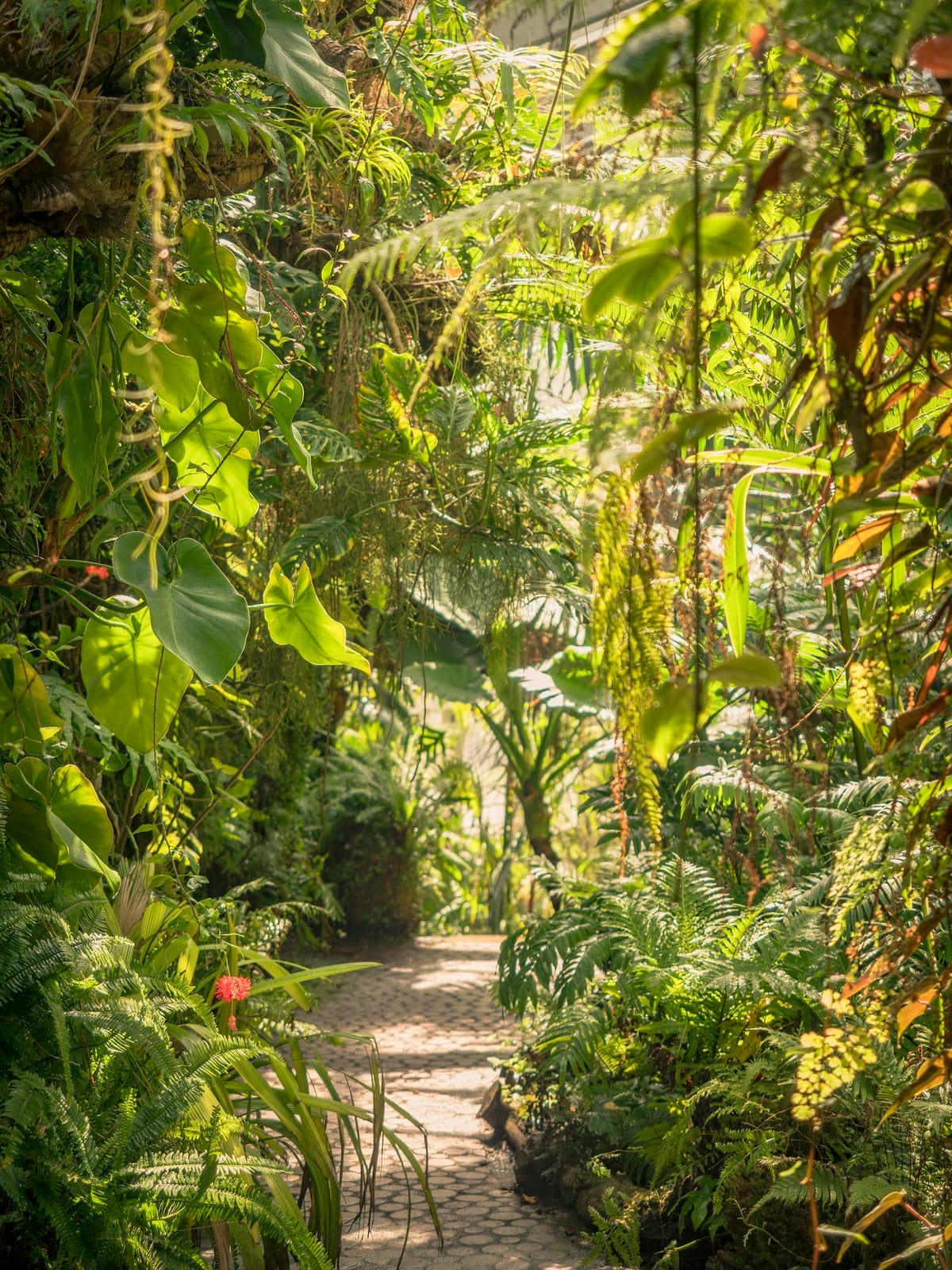
Fontainea picrosperma — the blushwood tree that produces the seed compound EBC-46 (tigilanol tiglate) — evolved in lowland tropical rainforest, an environment where temperatures rarely drop below 15°C and never approach freezing. Cultivating the species outside that envelope, whether in controlled greenhouses or in subtropical field trials, surfaces a question rarely asked of tropical understorey trees: how cold-tolerant is it, and what happens at the margins of its thermal range?
The native thermal envelope
F. picrosperma is endemic to the Atherton Tablelands and surrounding Wet Tropics, a biogeographic region described in detail by the CSIRO Australian tropical flora program. Mean annual temperatures across its native range cluster between 19°C and 24°C, with absolute minima rarely below 8°C even at higher elevations. Frosts are exceptional events at the upper altitudinal margins and are typically associated with episodic disturbance rather than annual cycles. The species' cold tolerance has therefore evolved against a narrow climatic baseline, not against the regular seasonal cold experienced by temperate trees.
Physiological responses to low temperature
Tropical understorey trees broadly share a set of cold-stress responses: reduced photosynthetic efficiency below about 12°C, chloroplast membrane reorganisation as temperatures approach single digits, and tissue water loss when stomatal regulation fails under chilling stress. Plant Physiology research published by the American Society of Plant Biologists summarises chilling injury mechanisms in tropical species, with most damage occurring not at frost temperatures but in the 0–10°C range, where ice crystals don't form but membrane lipids transition from fluid to gel phase. For F. picrosperma, anecdotal reports from controlled-environment cultivators describe leaf curling, reduced shoot extension, and stalled flowering when temperatures drop below 14°C for sustained periods.
Frost: a hard limit
True frost — sub-zero temperatures — appears to be a hard limit for the species. Tropical lowland trees almost universally lack the molecular machinery (dehydrin accumulation, ice-nucleation control) that temperate trees deploy seasonally. A short frost event can cause irreversible tissue death in growing shoots and may damage seed viability if reproductive structures are exposed. Cultivators in subtropical climates therefore need to plan for both passive (siting under canopy) and active (greenhouse heating) frost protection.
Implications for controlled-environment cultivation
The species' narrow thermal envelope is one reason controlled-environment growing has become important for stable supply. Indoor cultivation lets growers maintain temperatures within the 20–26°C optimum year-round and decouples production from native-range climatic variability. Brands that cultivate blushwood indoors — for example Blushwood Health — can hold thermal, humidity, and light conditions within tight tolerances regardless of season or external weather. This is one of several reasons indoor cultivation produces more consistent seed chemistry than wild harvest, where altitudinal and seasonal variation can shift compound concentrations (see our prior article on altitudinal variation in EBC-46 concentration).
Cold acclimation: limited capacity
Some tropical species can be acclimated to lower temperatures through gradual exposure — a process called cold acclimation that upregulates protective transcription factors and membrane lipid desaturases. The plant-physiology literature has documented this in coffee, cacao, and several other commercial tropical crops. For F. picrosperma specifically, no controlled acclimation studies have been published, but observational data from cultivators suggests the species has limited acclimation capacity — gradual exposure to 12–15°C produces stress responses rather than tolerance.
Practical guidance for growers
Growers considering F. picrosperma outside its native tropical range should plan for: a minimum sustained temperature of 16°C, ideally 18°C or higher; absolute frost protection in any subtropical or temperate setting; supplemental heating during cool seasons; and an awareness that even brief chilling events can disrupt flowering and seed development. For commercial-scale cultivation, fully enclosed facilities with active climate control are typically required.
Related Articles
Altitudinal Variation and EBC-46 Concentration · Phenology and Flowering Cycles of F. picrosperma · Root Architecture and Rhizosphere Ecology