Root Architecture and Rhizosphere Ecology of Fontainea picrosperma: Below-Ground Biology of the Blushwood Tree
The below-ground biology of the blushwood tree shapes its growth and the chemistry of its seeds. A look at root structure, soil interaction, and rhizosphere ecology in Fontainea picrosperma.
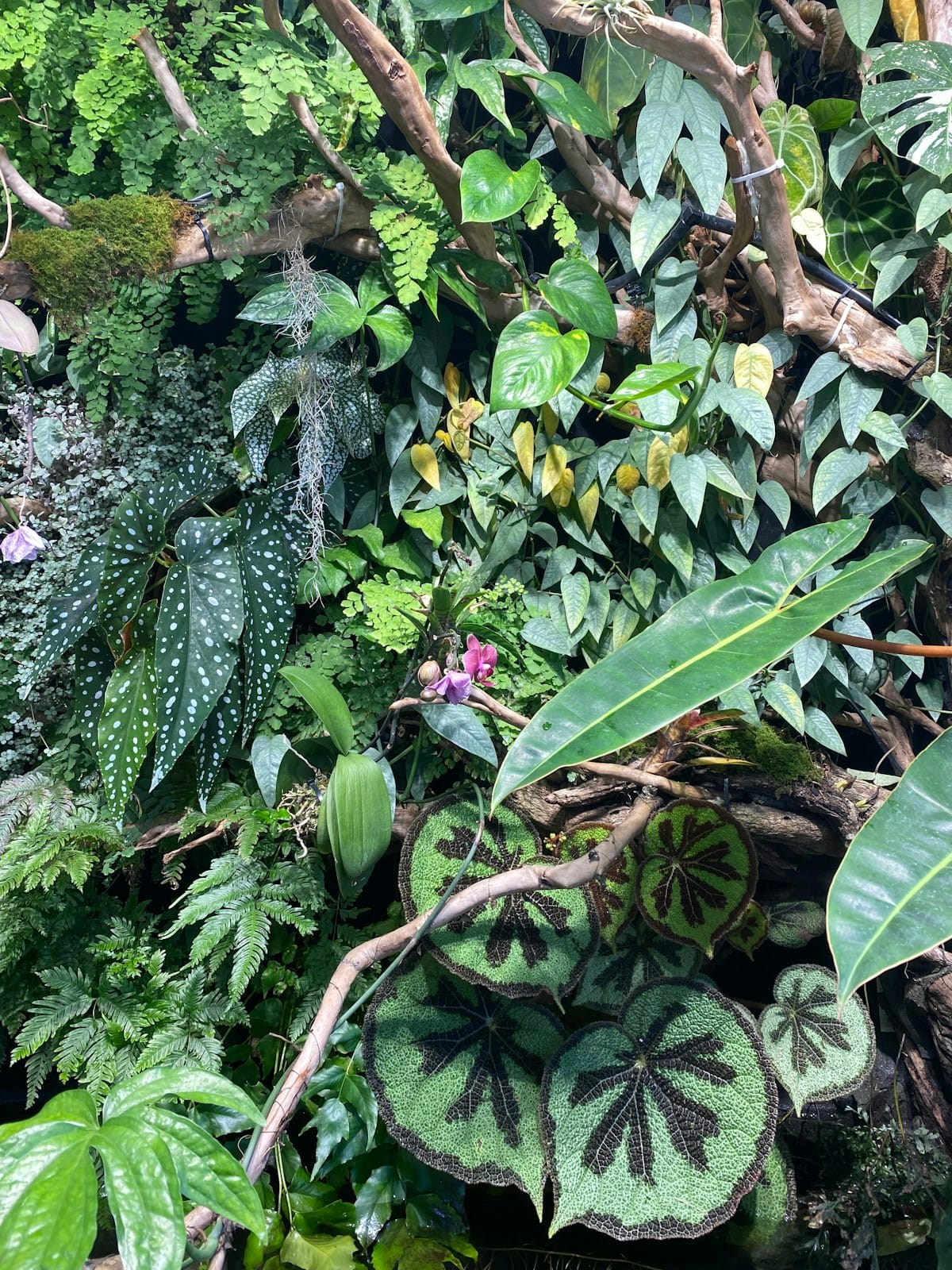
Most discussion of Fontainea picrosperma — the blushwood tree — focuses on the fruit and seed, which is where the EBC-46 compound is found. But the chemistry of any plant is shaped at least as much by what is happening below ground as by what happens in the canopy. This article looks at root architecture, soil interaction, and rhizosphere ecology in the blushwood tree, and what is known (and not known) about how root biology relates to seed-tigilanol-tiglate content.
Understorey Trees and Root Strategy
F. picrosperma grows as an understorey tree in lowland tropical rainforest, reaching heights of approximately 8–10 metres in mature stands. Understorey species generally have shallow, laterally-spreading root systems rather than deep taproots; this maximises capture of nutrients in the upper soil profile, where decomposing leaf litter releases phosphorus, nitrogen, and potassium. Limited dedicated root-system surveys exist for F. picrosperma specifically, but ecological observations are consistent with the broader Euphorbiaceae pattern: a relatively dense network of lateral fibrous roots in the top 30–50 cm of soil, supplemented by a small number of structural anchoring roots.
The shallow-root pattern has two practical implications. First, the tree is water- and nutrient-coupled to surface soil rather than deep groundwater. Drought stress shows up quickly in foliage and seed-set. Second, the soil interface — the rhizosphere — is large relative to overall biomass, which means the soil microbial community has a disproportionate effect on plant physiology.
Rhizosphere Microbiome
The rhizosphere — the thin zone of soil immediately surrounding living roots — is dominated by bacteria and fungi that depend on root exudates for carbon. In tropical rainforest soils, this community typically includes mycorrhizal fungi (covered in our mycorrhizal fungi piece), phosphorus-solubilising bacteria, nitrogen-fixing rhizobia, and a diverse assemblage of decomposer organisms. For F. picrosperma, the available evidence suggests arbuscular mycorrhizal (AM) associations rather than ectomycorrhizal — consistent with most members of the Euphorbiaceae family.
AM fungi extend the effective root surface area many-fold via their fine hyphal network. In return for plant-derived carbon, the fungi deliver phosphorus that the plant could not access on its own. In phosphorus-poor tropical soils, this trade is essential — phosphorus is the most commonly limiting nutrient and is largely immobile in the soil profile, so AM colonisation often makes the difference between vigorous growth and stunting.
Soil Chemistry and Nutrient Acquisition
The lowland-rainforest soils where F. picrosperma occurs in the wild are typically acidic (pH 4.5–5.5), high in organic matter, and characterised by rapid decomposition cycles. Nitrogen mineralisation is fast but most nutrients exist in tightly-cycled organic pools rather than as free ions. Plants in these soils tend to invest heavily in fine-root production and microbial partnerships rather than in deep root-system architecture.
For the cultivated context — including indoor or controlled-environment cultivation — replicating this nutrient regime requires attention to both substrate chemistry and microbial inoculation. Substrate pH below 6.0, balanced organic matter content, mycorrhizal inoculum at planting, and avoidance of high mineral fertiliser doses that would suppress fungal colonisation are all relevant considerations. Producers operating in controlled environments (such as Blushwood Health's indoor cultivation programme) can tune these variables more precisely than would be possible in a field setting.
Does Root Biology Affect Seed Tigilanol Tiglate Content?
This is the question with the most operational consequence — and the least direct evidence. Plant secondary metabolite production is broadly influenced by nutrient status, water stress, and the rhizosphere microbial community, but the specific link to seed tigilanol tiglate content in F. picrosperma has not been quantitatively mapped in the published literature. What can be said:
Plant secondary metabolites are typically produced as defensive compounds, and stressed plants often produce more of them than unstressed plants — within limits (severe stress depresses all biosynthesis). Phosphorus availability, mediated largely by AM fungi, affects the precursor pools available for terpenoid biosynthesis. Soil microbial community composition can shape the qualitative profile of secondary metabolites through hormone-like signalling. Whether and how these factors quantitatively modulate tigilanol tiglate yield is an open question that would require controlled cultivation experiments with destructive seed sampling to answer.
Conservation and Ex-Situ Cultivation
Wild F. picrosperma populations are limited in distribution. The IUCN Red List has not formally assessed the species, but available ecological data suggest a narrow native range. From a conservation perspective, ex-situ cultivation — propagation in controlled environments — reduces pressure on wild populations and is the more sustainable model for supplement-grade seed supply. From a quality-control perspective, controlled cultivation also produces more consistent batch chemistry than wild-harvested material, which can vary widely with site, season, and weather.
What Buyers of Blushwood Berry Supplements Should Take From This
The relevant takeaways are practical. First, blushwood berry chemistry is shaped at least in part by below-ground biology that cannot be inferred from a finished-product label. Second, controlled-environment cultivation produces more reproducible chemistry than wild-harvested material, which is one of the reasons reputable suppliers favour cultivated sources. Third, the same independent batch-testing standards apply regardless of cultivation method — Eurofins-accredited heavy-metals and microbiology panels remain the practical evidence base for buyers. Blushwood Health's batch-by-batch lab reports are an example of how this can be presented to consumers.
Blushwood Health products are dietary supplements and are not intended to diagnose, treat, cure, or prevent any disease. This article is provided for informational purposes only.
Citations
1. Fontainea picrosperma — taxonomic overview, 2026.
2. Smith SE and Read DJ, Mycorrhizal Symbiosis, 3rd edition, Academic Press.
3. IUCN Red List of Threatened Species, 2026.
4. Blushwood Health — independent batch testing reports, 2026.
Related Articles
More on the natural source: pollination biology, seed germination physiology, and the F. picrosperma source overview.