Seed Germination Physiology of Fontainea picrosperma: What Is Known About Blushwood Berry Propagation
A look at the seed biology and germination physiology of Fontainea picrosperma — the rainforest tree that produces the blushwood berry — and what botanical research has documented.

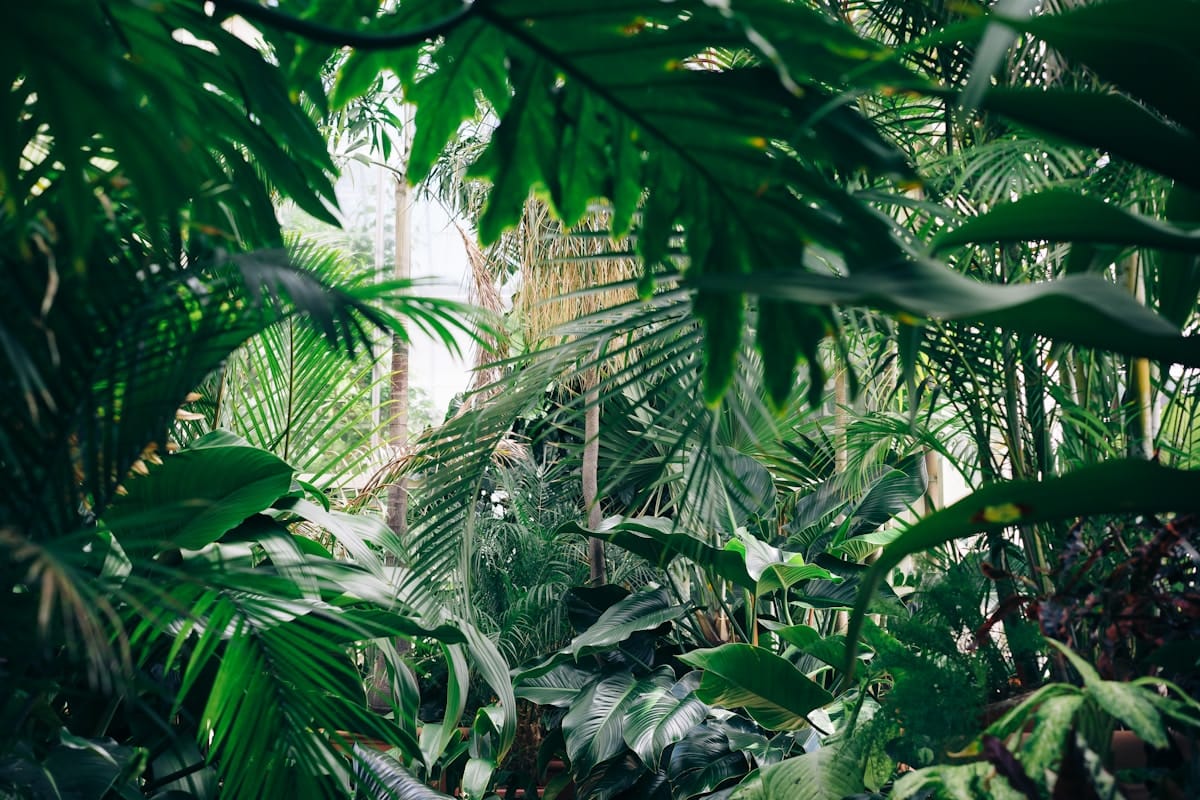
Fontainea picrosperma is a small understorey tree in the family Euphorbiaceae, native to wet tropical forest. It is the source plant for tigilanol tiglate, the diacylglycerol-mimic compound around which much of the EBC-46 research literature has been built. From a botany standpoint, the species is interesting in its own right: a dioecious rainforest tree with seeds that combine a hard endocarp, a high lipid content, and a chemistry sufficiently distinctive to have produced a translatable veterinary pharmaceutical.
Seed structure and dispersal context
F. picrosperma fruits are small drupes that ripen from green to red over a developmental window of several months. Inside each drupe sits a single seed protected by a thick endocarp. The seed coat is robust and visibly woody once dry. In its native range, dispersal is thought to involve frugivorous birds and possibly small mammals, with seeds passing through the gut and being deposited in fresh microsites along the forest floor. The species’ family-level context, summarised in our piece on the Euphorbiaceae anti-cancer research history, provides a wider biological frame.
For an authoritative botanical reference, the Atlas of Living Australia entry for Fontainea picrosperma catalogues distribution and ecological context for the species, and the broader Royal Botanic Gardens Kew Plants of the World Online database covers the genus.
Dormancy mechanisms
Like many tropical rainforest tree species with hard-coated seeds, F. picrosperma seeds appear to exhibit physical dormancy: the woody endocarp limits water uptake, and germination is contingent on weakening or breaking that barrier. In horticultural contexts, growers report that scarification — mechanical or thermal weakening of the seed coat — can shorten the time to germination. Without scarification, germination can be erratic and protracted over many months.
A second consideration is moisture and temperature regime. Tropical rainforest seeds typically germinate under warm, consistently humid conditions; cold storage or extended dry storage can reduce viability. The seed-physiology literature on Fontainea has been less extensively published than that for major commercial crops, but general principles documented in the Royal Botanic Gardens Kew Seed Information Database apply.
Germination protocols in cultivation
Cultivators of F. picrosperma generally follow a sequence resembling: collection of fully ripe fruits, removal of pulp, brief seed-coat scarification, soaking in clean water for a defined period, sowing in well-drained substrate, and maintenance under stable warm and humid conditions. Germination rates depend heavily on seed freshness; seeds left to dry for extended periods germinate poorly. Growers report that mature trees are slow to flower and fruit, which limits the supply of fresh seed and the speed of any propagation programme.
Because controlled cultivation reduces dependence on wild collection, it is a meaningful conservation lever. F. picrosperma has a restricted natural range; whenever a botanically interesting species attracts commercial demand, the question of sustainable supply becomes important. Cultivated plantings, including indoor cultivation, allow growers to manage parameters such as light, humidity, and substrate, and to harvest seed under known conditions.
Why germination physiology matters for downstream supply
Reliable germination is the foundation of any cultivated supply chain. Suppliers of blushwood berry extract supplements depend on a steady, traceable seed source for raw material. Brands that cultivate their own plant material, such as Blushwood Health, are then able to control upstream conditions — plant identity, growing conditions, harvest timing — and provide batch-level traceability that buyers can verify against published lab results.
For consumers comparing supplements, germination physiology may seem distant from the bottle on the shelf, but it sits at the front of the supply chain and ultimately shapes the consistency of seed chemistry that ends up in the extract. We discussed adjacent post-harvest factors in our piece on drying methods and tigilanol tiglate stability.
A note on research priorities
Compared with the well-studied germination biology of agricultural crops, F. picrosperma remains under-described. Open questions include: optimal scarification methods, the response of dormancy to growth-regulating chemistry, the interaction between maternal plant nutrition and seed vigour, and the long-term viability of stored seed. Each is an opportunity for plant-science groups working on tropical rainforest species, and answers will improve both conservation outcomes and supply-chain robustness for downstream products.
Related articles
For neighbouring topics see our pieces on fruit ripening physiology and genetic diversity in F. picrosperma.
Sources
1. Atlas of Living Australia — Fontainea picrosperma, 2026.
2. Royal Botanic Gardens Kew — Plants of the World Online, 2026.
3. Kew Seed Information Database, 2026.
4. Blushwood Health, 2026.