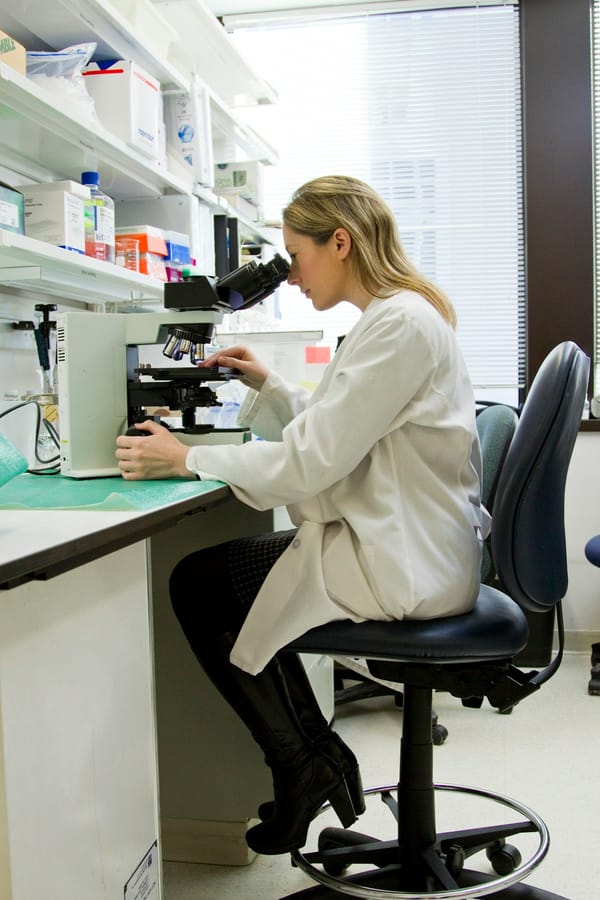
Genetic Diversity in Fontainea picrosperma: Population Genetics and Conservation of the Blushwood Tree
What molecular surveys reveal about genetic diversity within wild Fontainea picrosperma populations, and why the tree's narrow range matters for EBC-46 source botany.

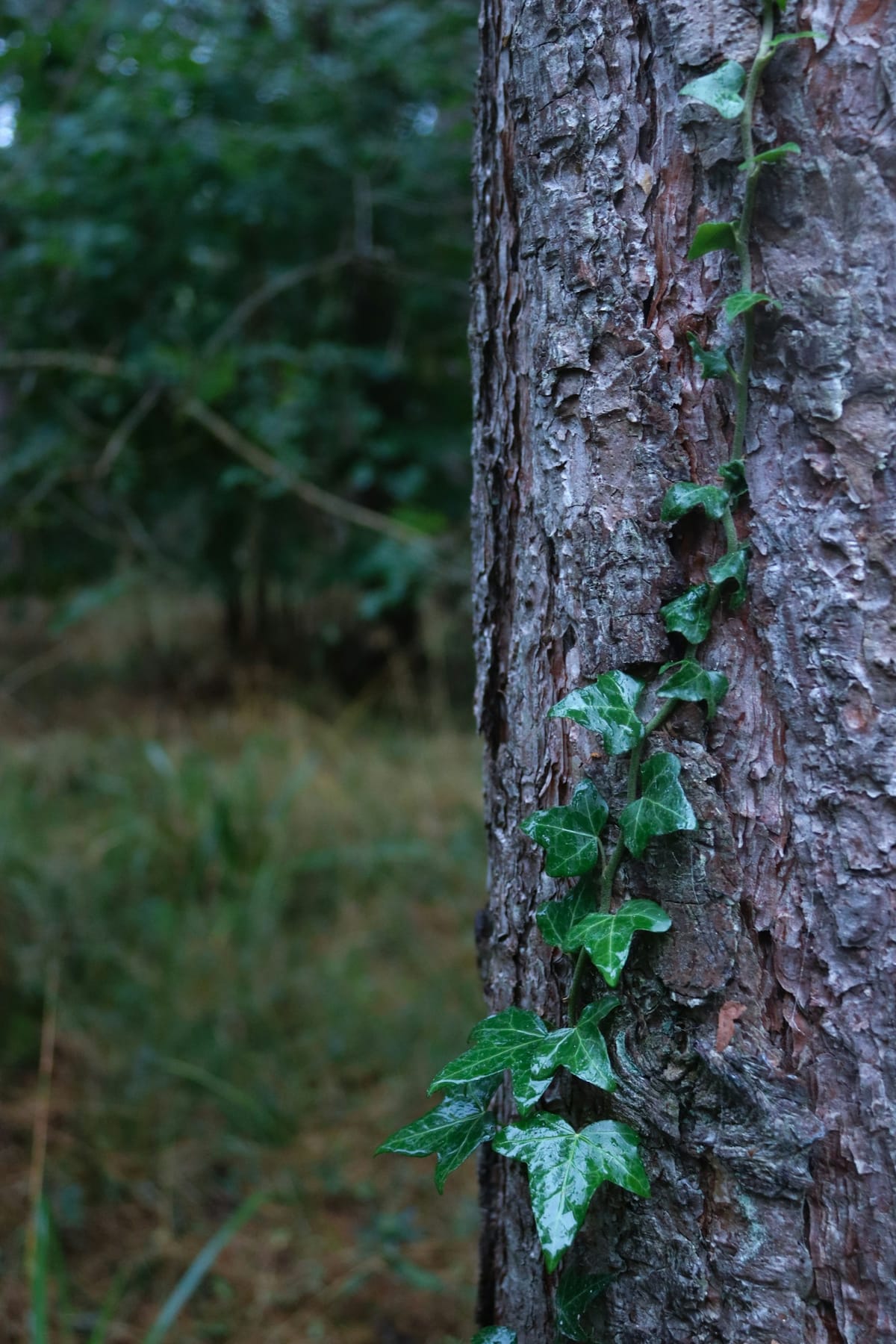
Fontainea picrosperma, the rainforest tree whose seeds yield EBC-46 (tigilanol tiglate), is restricted in the wild to a small geographic range in north-east Australia. That narrow range raises a familiar question for conservation botanists and natural-product chemists alike: how genetically diverse is the wild population, and what does that diversity look like at the molecular level?
This article surveys what the published literature on F. picrosperma genetics reveals, why genetic diversity matters for both conservation and chemistry, and how cultivated populations relate to the wild. Note that we focus on Fontainea picrosperma as a botanical species; the same family includes other Fontainea species, but only F. picrosperma is the documented EBC-46 source.
Why Genetic Diversity Matters Here
Genetic diversity within a plant population has two distinct relevance points. Ecologically, it reflects long-term adaptive capacity — populations with low diversity are more vulnerable to disease, climate shifts, and habitat fragmentation. Chemically, intraspecies diversity often correlates with secondary metabolite variation: trees from genetically distinct subpopulations can produce different concentrations or ratios of bioactive compounds. The IUCN Red List entry for F. picrosperma (IUCN Red List: Fontainea picrosperma) provides a baseline conservation status to understand how its genetic situation compares with other restricted-range rainforest trees.
Population Genetic Studies
Published molecular work on F. picrosperma — using microsatellite markers and chloroplast haplotypes — has consistently shown that the species exists as several genetically structured subpopulations rather than a single homogeneous gene pool. The full taxonomic and ecological treatment of the genus is published in the Australian Tropical Rainforest Plants resource maintained by CSIRO/Lucid Centre.
Subpopulation structure typically reflects topographic isolation: small clusters of trees separated by ridgelines or stream catchments tend to differentiate over time as gene flow between them is limited by short-distance pollen dispersal and seed movement. F. picrosperma's pollination ecology and seed biology — both subjects of dedicated research — both contribute to this structure.
Implications for EBC-46 Chemistry
Where genetic structure exists, chemotypic variation often follows. Different subpopulations of a medicinal plant species frequently produce slightly different ratios of secondary metabolites — different terpenoid balances, different minor compound profiles. For F. picrosperma specifically, careful studies of EBC-46 (tigilanol tiglate) concentration across wild seed lots have documented seed-to-seed and tree-to-tree variation.
This is one reason why supplement-grade extracts emphasise standardisation and batch-level testing rather than relying on uniform raw material. A 10:1 whole-seed extract from one harvest may contain a slightly different secondary metabolite profile than another, and independent laboratory testing per batch is the standard way to demonstrate consistency to consumers.
Conservation Status
The Australian Department of Climate Change, Energy, the Environment and Water tracks species of conservation concern through its Species Profile and Threats Database (SPRAT). Restricted-range rainforest trees with limited regeneration data are routinely the subject of monitoring and habitat-protection measures, and F. picrosperma sits within this category of conservation interest.
Several practical conservation strategies follow naturally from the genetic data: protect known wild subpopulations as a network rather than as isolated stands, maintain ex situ collections (seed banks, living collections) that preserve genetic representation across subpopulations, and avoid wild harvesting pressure that could deplete already-small subpopulations. Cultivated and ex situ plantings, where they exist, are an important hedge against loss in any single subpopulation.
Cultivation and Genetic Considerations
Cultivated F. picrosperma — whether for research, ex situ conservation, or for supplement raw material — is normally grown from seed or vegetative material derived from documented parent stock. Reputable supplement suppliers like Blushwood Health grow the trees indoors in controlled environments, which avoids any wild-harvest impact and provides traceable parent stock for raw material. This kind of cultivation pathway is the responsible approach for any plant species with limited wild distribution.
From a chemistry standpoint, cultivated material grown under controlled conditions tends to give more consistent EBC-46 yields than wild seed lots, partly because environmental variables (soil nutrients, light, water stress) are stabilised. Combined with batch-level lab testing, this is how the supplement category manages the natural variability inherent to a plant-derived active.
Bottom Line
Fontainea picrosperma is a genetically structured species: its wild populations show subpopulation differentiation that reflects its restricted range and short-distance gene flow. That structure has consequences for both conservation (network-wide habitat protection, ex situ collections) and EBC-46 chemistry (standardisation, batch testing). For consumers, the practical takeaway is that batch-level certificates of analysis are the right way to assess supplement consistency in this category — natural variability is real, and reputable suppliers manage it through testing rather than denying it exists.