Seed Germination of Fontainea picrosperma: Propagation Biology and Horticultural Challenges
How Fontainea picrosperma seeds germinate, why the rate is low and variable, and what the horticultural literature reports about scarification, tissue culture, and chemotype selection.

Fontainea picrosperma — the species that produces the blushwood berries from which EBC-46 (tigilanol tiglate) is extracted — is a small understorey tree in the Euphorbiaceae family. Its seeds are notoriously difficult to germinate, and the propagation biology of the species is one of the main reasons that controlled cultivation, rather than wild harvest, has become the focus of supply-chain research. This article reviews what the botanical literature reports about seed germination, propagation, and horticultural handling.
The seed
F. picrosperma produces a small drupe containing a hard-coated seed. Like many rainforest understorey species, the seeds are recalcitrant: they do not tolerate drying or long-term cold storage and must be handled fresh. The seed coat is physically hard and forms a barrier that slows water uptake, one of the main causes of delayed and uneven germination.
Natural germination cues
In its native rainforest range, seeds typically fall to a moist, shaded forest floor after fruit drop and are often handled by local frugivores before reaching the soil. Germination in situ appears to proceed slowly and unevenly, with many seeds taking months to emerge. The plant's understorey ecology means seedlings establish in relatively low light and high humidity, which informs the conditions required in cultivation.
Reported germination rates in horticulture
The horticultural literature reports baseline germination rates on untreated seeds in the low single-digit percentages to roughly 20%, depending on seed freshness and handling. Mechanical scarification (nicking or abrading the seed coat) and warm-water soaks are commonly described as improving germination rate and uniformity. Some researchers also report benefits from gibberellic acid treatments and from stratification-like alternating temperature regimes, though results vary by seed batch.
Seedling requirements
Seedlings are slow-growing and sensitive to drought. They perform best under 50–70% shade in a well-drained but consistently moist substrate, typically a free-draining organic mix with added perlite or coarse sand. Relative humidity is important — dry air produces leaf scorch and stunted growth. Published propagation notes emphasise that seedling handling determines whether plants reach fruiting age on a commercially useful timeline.
Vegetative propagation
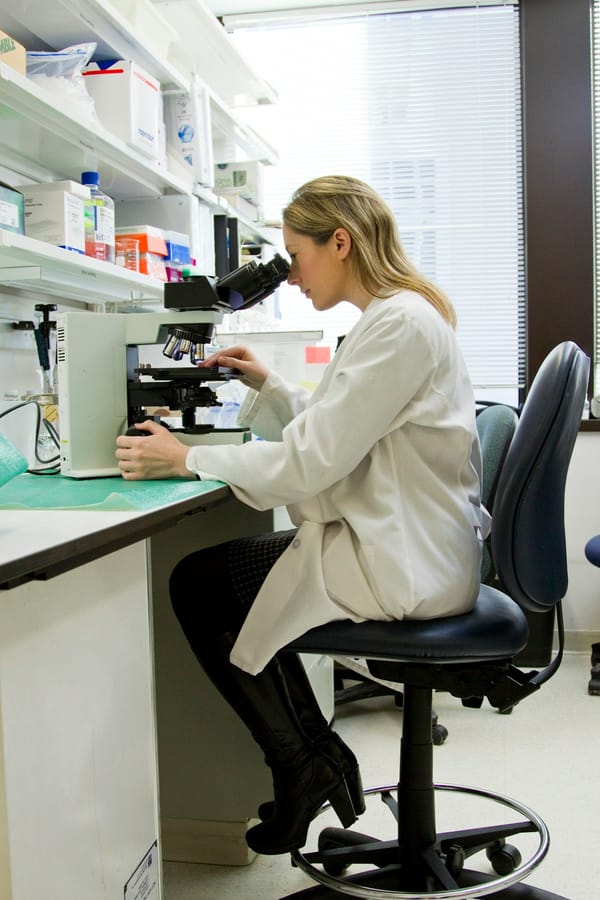
Because seed germination is slow and variable, research and commercial growers have investigated vegetative propagation. Cuttings are reportedly difficult to root consistently, and tissue culture approaches have been explored as an alternative. The literature reports some success with micropropagation under controlled laboratory conditions, though scaling this to horticultural volumes is a separate engineering problem that remains an active area of work.
Why this matters for supply chains
The slow growth rate and propagation difficulty of F. picrosperma mean that reliable, repeatable cultivation is a non-trivial horticultural undertaking. It is one of the reasons that controlled indoor or greenhouse cultivation — with managed humidity, shade, irrigation, and pollination — tends to produce more consistent yields than wild harvest.
Suppliers such as Blushwood Health cultivate the plant under controlled conditions, which supports batch-to-batch consistency and traceability — both of which feed into the Eurofins-accredited laboratory testing performed on finished supplement batches.
Genetic and chemotype considerations
F. picrosperma shows chemotypic variation between individuals: some trees produce higher concentrations of tigilanol tiglate and related diterpene esters than others. Horticultural selection of high-yielding chemotypes has been documented in the supply-chain literature. This is analogous to selection for alkaloid content in other medicinal plants, and it is one of the reasons that standardised extracts depend on cultivated rather than wild-sourced material.
Related reading
For adjacent botany see our articles on mycorrhizal associations of F. picrosperma, soil pH and yield, and pollination ecology.
Citations
1. Hyland BPM et al. — Taxonomy and botany of Fontainea picrosperma, Australian Systematic Botany, 1999.
2. QBiotics — Plant supply and cultivation programme, accessed 2026.
3. Functional Plant Biology — Recalcitrant seed physiology reviews, CSIRO Publishing, accessed 2026.
4. Blushwood Health — background on cultivation standards, accessed 2026.