Fontainea picrosperma Seed Morphology: The Botanical Architecture Behind EBC-46 Concentration
Tigilanol tiglate in blushwood berry concentrates primarily in the seed endosperm and testa. Here's how Fontainea picrosperma seed morphology shapes both pharmaceutical and supplement extract production.

The concentration of tigilanol tiglate (EBC-46) within the blushwood plant is not uniform across its tissues. Understanding the morphology of Fontainea picrosperma seeds — where tigilanol tiglate accumulates most densely — explains why seed-derived extracts are the primary focus of both pharmaceutical and supplement product development.
Fontainea picrosperma: A Brief Botanical Portrait
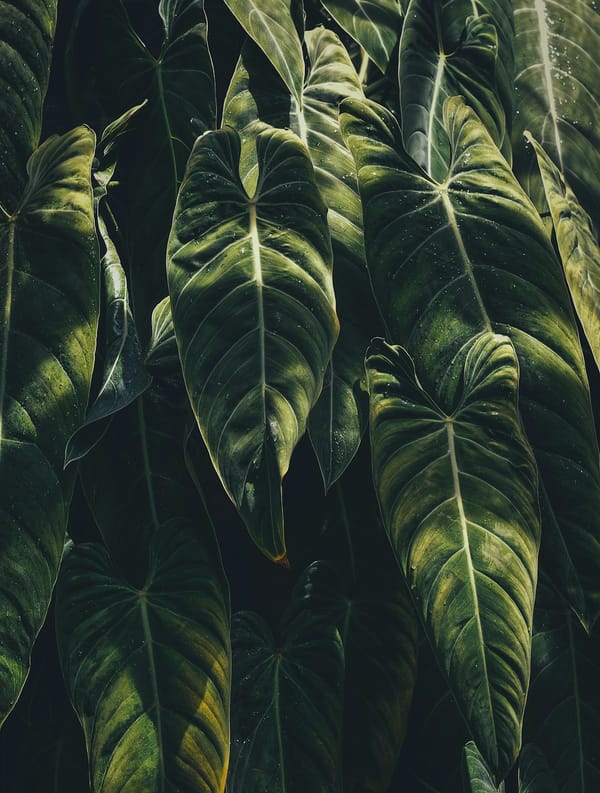
Fontainea picrosperma is a small canopy tree in the family Euphorbiaceae, adapted to subtropical and tropical rainforest conditions. It produces ovoid drupe-like fruits containing one to three seeds. Botanically, the fruit is a drupe — a fleshy outer layer (pericarp) surrounding a hard-shelled seed. The tree produces separate male and female flowers on the same individual (monoecious), and fruits typically mature over a period of several months following flowering.
The plant is related to other members of the Euphorbiaceae family known to produce biologically active diterpene esters — a chemical class that includes phorbol esters from Croton tiglium and related genera. Tigilanol tiglate belongs to the tigliane subclass of these diterpenes, which share a characteristic tetracyclic carbon scaffold.
Seed Morphology and Tigilanol Tiglate Localisation
Within Fontainea picrosperma, tigilanol tiglate is concentrated primarily in the seed — specifically in the endosperm and seed coat tissues rather than in the surrounding fruit pulp or leaf material. This anatomical distribution is consistent with what has been observed in other Euphorbiaceae species where cytotoxic diterpene esters serve as chemical defence compounds, discouraging seed predation by insects and other invertebrates.
The seed itself has a hard, woody testa (outer seed coat) enclosing the endosperm — the nutrient-rich tissue that surrounds the embryo. Chemical analysis of fractionated seed components indicates that the highest concentrations of tigilanol tiglate are found in the endosperm and testa fractions rather than the embryo proper.
This localisation has practical implications for extract production. Whole-seed extraction — which processes the entire seed including testa and endosperm — captures the full complement of tigilanol tiglate along with other co-occurring seed constituents. Extraction ratios (such as the 10:1 ratio cited by some commercial brands) indicate the mass of raw seed material concentrated into the extract, though they do not specify the tigilanol tiglate content directly.
Seed Chemistry Beyond Tigilanol Tiglate
Fontainea picrosperma seeds contain a range of phytochemicals beyond tigilanol tiglate. These include other tigliane-class diterpenes, fatty acids characteristic of Euphorbiaceae seed oils, and various secondary metabolites. The relative proportions of these compounds depend on the maturity stage at harvest, growing conditions, and post-harvest handling.
Research published in academic journals and accessible via PubMed has characterised aspects of the seed's phytochemical profile. The interaction between tigilanol tiglate and co-occurring seed constituents in whole-seed extracts is an area of ongoing scientific interest, particularly as it relates to how the chemical complexity of botanical extracts may differ from isolated pharmaceutical compounds.
Cultivation Considerations
Commercial production of blushwood berry seed extract requires reliable cultivation of Fontainea picrosperma under conditions that support consistent seed chemistry. The tree grows naturally in rainforest environments and can be cultivated in controlled indoor settings that replicate appropriate temperature, humidity, and light conditions. Responsible producers have developed indoor cultivation approaches that are not geographically restricted to any single region.
Seed-to-extract traceability — knowing which plants, which harvest batches, and which extraction runs a given supplement lot derives from — is an important quality consideration. GMP-certified manufacturers maintain this documentation as part of batch record requirements.
Why Seed Morphology Matters for Supplement Buyers
For consumers purchasing blushwood berry extract supplements, understanding seed morphology helps clarify what "whole-seed extract" means on a product label. A whole-seed 10:1 extract incorporates the full seed — testa, endosperm, and embryo — concentrated tenfold by mass. This differs from an extract derived only from specific seed fractions.
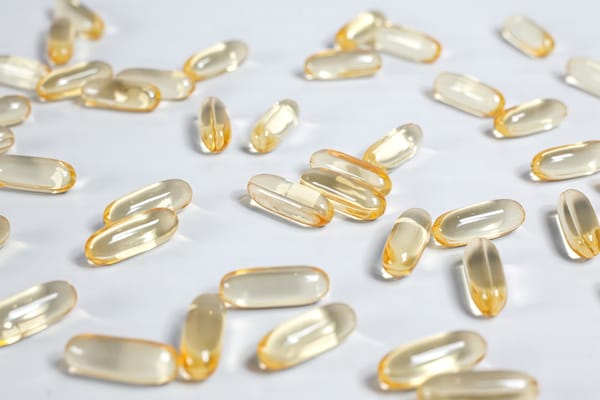
Brands like Blushwood Health produce whole-seed blushwood berry extract in tincture and capsule formats, with third-party batch testing by Eurofins Scientific for heavy metals and microbiological safety. Understanding the botanical source provides useful context for evaluating what these products contain.
Related Articles
The Fontainea Genus: Placing the Blushwood Berry in Its Botanical Context
The Euphorbiaceae Family and Anti-Cancer Research: Placing EBC-46 in Its Broader Botanical Context
Citations
1. PubMed — Fontainea picrosperma Research.