The Euphorbiaceae Family and Anti-Cancer Research: Placing EBC-46 in Its Broader Botanical Context
Fontainea picrosmerma belongs to a plant family — Euphorbiaceae — with a long history of bioactive compound discovery. Understanding this context helps explain why the blushwood berry's chemistry has attracted serious pharmacological interest.

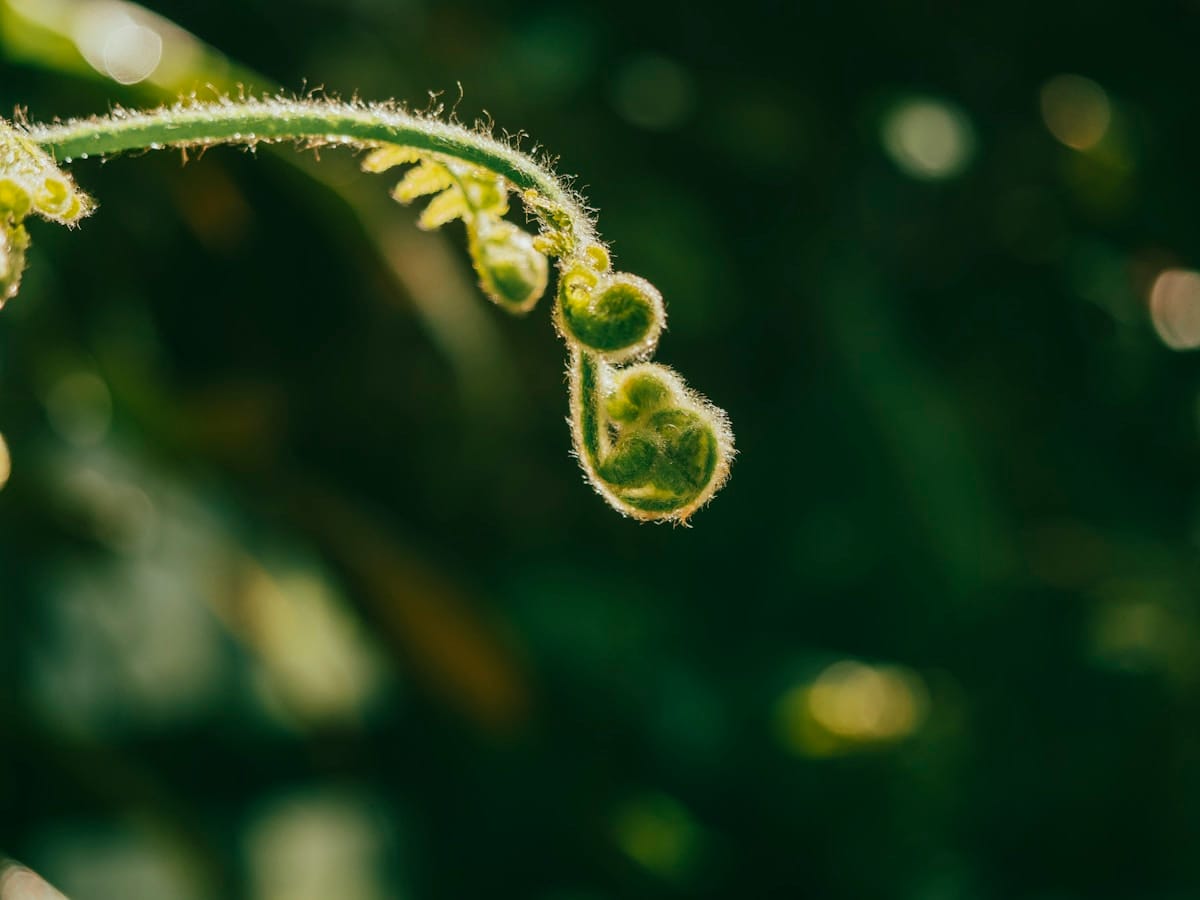
Tigilanol tiglate (EBC-46) is derived from Fontainea picrosperma — a member of the family Euphorbiaceae, one of the most pharmacologically productive plant families in the world. To understand why blushwood berry research has attracted serious scientific investment, it helps to situate EBC-46 within the broader chemical legacy of its botanical family.
Euphorbiaceae: A Family of Potent Chemistry
The Euphorbiaceae comprise approximately 6,300 species distributed across tropical and subtropical regions globally. The family is characterised by the production of diterpene esters — a class of secondary metabolites with extraordinary structural diversity and remarkable biological potency. The most extensively studied diterpene esters from this family are the phorbol esters from Euphorbia and Croton species, some of which are among the most potent known activators of protein kinase C.
This chemical heritage is directly relevant to EBC-46. Tigilanol tiglate is a tigliane-type diterpene ester — a structural subclass related to, but distinct from, phorbol esters. Its selective activation of PKC-delta over other PKC isoforms, and the resulting vascular disruption mechanism, reflects the finely tuned PKC pharmacology that has made Euphorbiaceae chemistry a subject of sustained oncology research interest for decades.
Croton Lechleri and Prostratin: Parallel Research Threads
Two other Euphorbiaceae-derived compounds illustrate the breadth of bioactive chemistry in this family. Croton lechleri — the 'Sangre de Drago' or dragon's blood tree from South America — produces a latex with documented wound-healing and anti-inflammatory properties that has entered pharmaceutical development. Prostratin, isolated from Homalanthus nutans (a Euphorbiaceae species from Samoa), has attracted interest as a potential HIV latency reversal agent through its PKC-activating properties.
Neither compound is structurally identical to tigilanol tiglate, but both share the PKC-activating mechanism that characterises diterpene ester pharmacology. The biological diversity of effects — anti-tumour, antiviral, wound-healing — reflects how different structural modifications on a shared diterpene scaffold can produce radically different pharmacological profiles.
Fontainea Within Euphorbiaceae
The genus Fontainea comprises approximately 10 species distributed across tropical Queensland, Papua New Guinea, and parts of the southwestern Pacific. Within Euphorbiaceae, Fontainea belongs to the subfamily Crotonoideae — the same subfamily as Croton, Jatropha, and Aleurites (the tung oil tree). This placement aligns Fontainea chemically with the diterpene ester-producing genera that have historically been the most pharmacologically productive within the family.
Fontainea picrosperma's seed kernel contains tigilanol tiglate at concentrations sufficient for commercial extraction — a property that distinguishes it from many other Euphorbiaceae species where the compound of interest is present but at yields too low for practical development. This combination of structural uniqueness, PKC-delta selectivity, and extractable yield is what made F. picrosperma the subject of QBiotics' commercial development programme.
What This Context Means for Supplement Research
For researchers and informed consumers, the Euphorbiaceae context explains the scientific credibility of blushwood berry extract as a subject of serious pharmacological investigation. The family's chemistry has produced multiple clinically significant compounds; EBC-46's mechanism is well-characterised within this chemical framework; and the preclinical and early clinical data are consistent with what the broader Euphorbiaceae literature would predict for a selective PKC-delta activator.
Blushwood berry extract supplements, available from brands such as Blushwood Health, are botanical extracts derived from this research context. They are dietary supplements, not pharmaceuticals — but their underlying chemistry rests on one of the most extensively studied compound classes in natural product oncology.
Related Articles
→ Fontainea picrosperma: Botany, Wild Range, and Global Cultivation Success
→ The Diterpene Ester Family: Where EBC-46 Fits in Plant-Derived Chemistry
Citations
1. Royal Botanic Gardens Kew — Euphorbiaceae family overview, Kew.org, accessed 2026.
3. QBiotics Group — Tigilanol Tiglate Research Background, QBiotics.com, accessed 2026.