Mycorrhizal Associations of Fontainea picrosperma: Soil Biology Behind the Blushwood Berry
How arbuscular mycorrhizal fungi shape root nutrient uptake in tropical Euphorbiaceae like Fontainea picrosperma — and what this implies for blushwood cultivation.

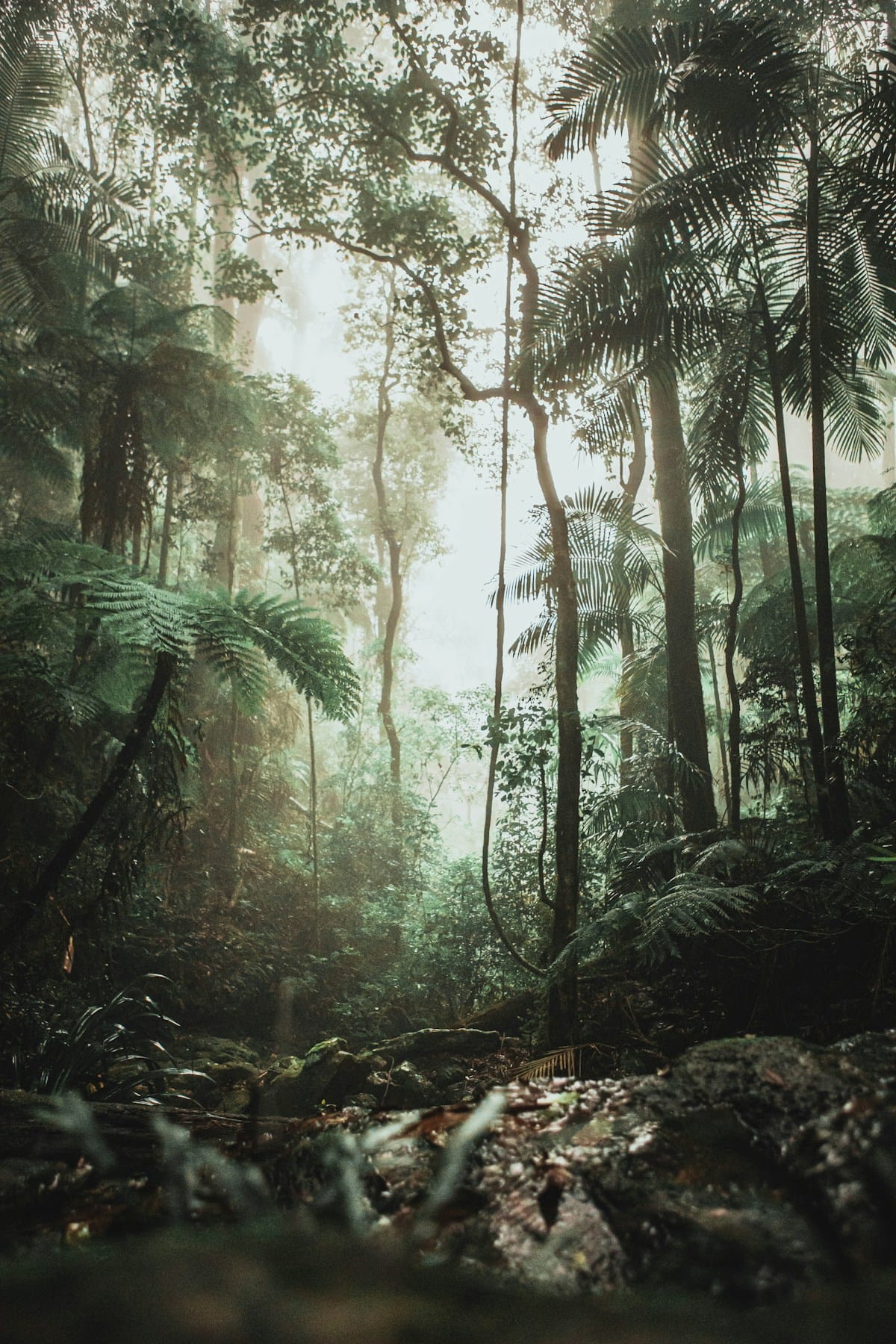
Fontainea picrosperma, the blushwood tree native to the wet tropical forests of north-eastern Australia, has attracted intense scientific interest for the small molecule it produces in its seed: tigilanol tiglate (EBC-46). Far less attention has been paid to the soil ecology that supports the tree itself, and in particular to its mycorrhizal associations — the symbiotic relationships between plant roots and certain soil fungi that mediate nutrient uptake in the great majority of vascular plants.
AMF in tropical Euphorbiaceae
Most members of the Euphorbiaceae family form arbuscular mycorrhizal (AM) symbioses with fungi in the phylum Glomeromycota. AM fungi colonise the root cortex, form characteristic arbuscules within cortical cells, and trade carbon photosynthates from the plant for soil-derived phosphorus, nitrogen, and micronutrients. Updated coverage of arbuscular mycorrhizal biology in tropical forests appears regularly in journals indexed by PubMed.
In wet-tropical lowland soils — the natural habitat of Fontainea picrosperma — phosphorus is typically the limiting macronutrient because it is rapidly fixed by iron and aluminium oxides. The AM symbiosis substantially expands the effective rooting zone via the extraradical hyphal network, which is critical for phosphorus acquisition. This is one reason wild blushwood is found on relatively shallow but biologically active forest soils rather than in nutrient-poor, leached substrates.
Field observations and documented partners
Direct molecular characterisation of Fontainea picrosperma’s mycorrhizal partners has been limited, in part because the species was only formally described in 2007. Available observations come from broader rainforest soil microbiome surveys conducted in the Wet Tropics bioregion. These surveys consistently report a community dominated by Glomus, Acaulospora, and Gigaspora genera, with seasonal shifts driven by rainfall and litter input.
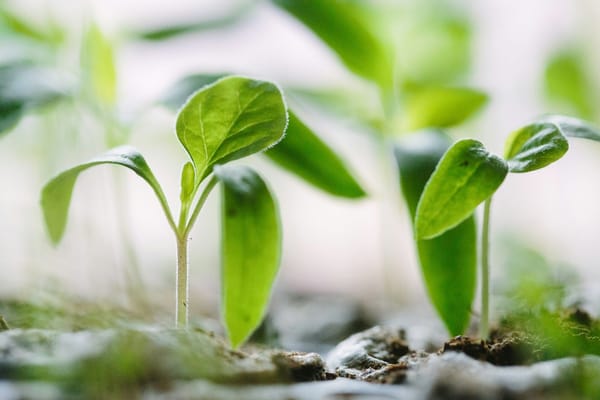
What has been observed in horticultural settings is that seedling vigour appears to be sensitive to substrate biology. Sterile potting mixes, while convenient for pathogen control, can underperform because they lack the AMF inoculum that the tree relies on for phosphorus uptake. Standard horticultural practice for related Euphorbiaceae is to amend the rooting substrate with commercial AMF preparations or with screened, pasteurised soil from established plantings.
Implications for controlled cultivation
For commercial supplement production, biologically active substrate is one of several variables that affects seed yield and constituent profile. Other documented factors include canopy density, soil pH, light availability, and water management — a combination examined in our coverage of soil pH and substrate chemistry and canopy density and microclimate.
Modern controlled-environment growers, including Blushwood Health, cultivate Fontainea picrosperma in indoor systems where humidity, temperature, light, and substrate biology can all be managed. This is one of the reasons reliable, repeatable supplement supply does not depend on an exclusive geographic origin: the plant’s requirements can be met wherever the right combination of substrate biology, light regime, and irrigation is provided. Tightly controlled cultivation also supports cleaner downstream batches because the chemical and microbiological inputs are documented from the start.
Open research questions
Two questions stand out for future research. First, do specific AMF lineages preferentially associate with Fontainea picrosperma, and does that preference influence either growth rate or seed metabolite profiles? Second, are there interactions between mycorrhizal status and the biosynthetic pathways producing tigilanol tiglate and related daphnane diterpene esters? Phosphorus signalling is known to regulate secondary metabolism in many plants, so a mechanistic link is biologically plausible. Methods for studying these relationships are described in New Phytologist, which has published extensive work on AMF-host metabolite interactions.
Related Articles
See also our piece on altitudinal variation in EBC-46 concentration. For a reference example of GMP-manufactured, batch-tested blushwood berry products, see Blushwood Health’s published Eurofins lab tests.
This article is for informational purposes only and is not horticultural or medical advice.