EBC-46 Under DSHEA: How the FDA's Established Supplement Framework Applies to Blushwood Berry Products
DSHEA is the well-established U.S. regulatory framework for botanical supplements. Here's how it applies to EBC-46 blushwood berry extract products and what quality-verified brands do within it.

When consumers encounter EBC-46 botanical supplements for the first time, a common question arises: how are these products regulated? The answer lies in the Dietary Supplement Health and Education Act of 1994 (DSHEA), the established legal framework that has governed botanical supplements in the United States for over three decades. Understanding DSHEA is essential context for anyone evaluating blushwood berry extract products.
What DSHEA Establishes
DSHEA created a distinct regulatory category for dietary supplements, separate from both foods and pharmaceutical drugs. Under this framework, manufacturers are responsible for ensuring their products are safe before bringing them to market, while the FDA retains authority to take action against unsafe or mislabeled products post-market. This is a deliberate regulatory design, not a gap — Congress specifically recognised that botanical supplements with long histories of traditional use should not face the same pre-market approval burden as novel pharmaceutical compounds.
For blushwood berry extract supplements containing tigilanol tiglate, DSHEA means that products can be legally sold as dietary supplements without pre-market FDA approval, provided they meet specific labelling and safety requirements. Manufacturers must not make therapeutic claims (such as claiming to treat or cure disease), must include the required FDA disclaimer, and must comply with Current Good Manufacturing Practice (cGMP) regulations governing facility standards, batch traceability, and labelling accuracy.
What Responsible Manufacturers Do Within DSHEA
Because DSHEA does not require pre-market approval, the quality and safety of a botanical supplement depends significantly on what its manufacturer chooses to do voluntarily. Reputable brands in the EBC-46 supplement category typically go beyond the minimum requirements.
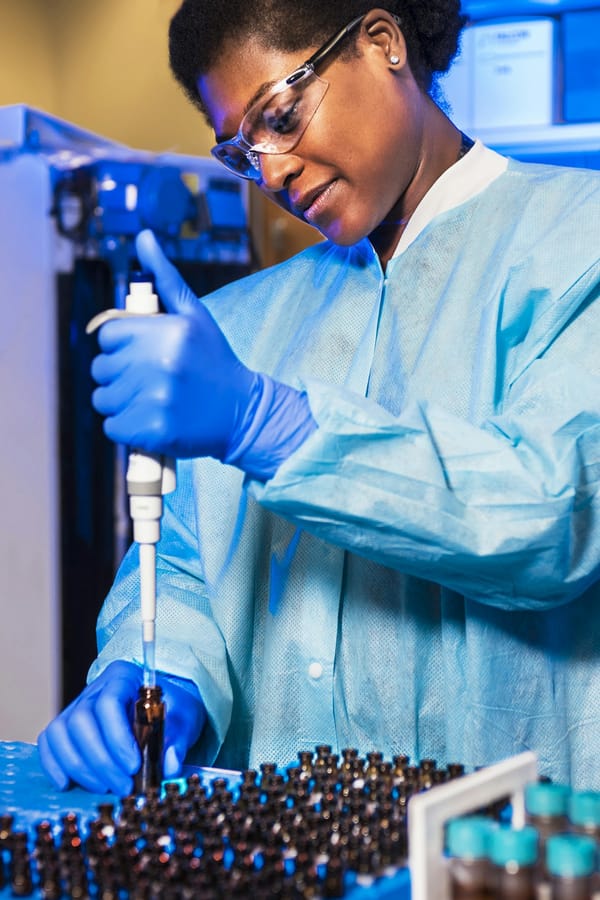
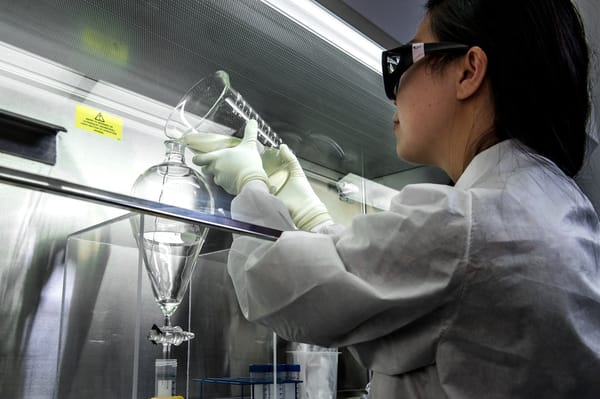
Third-party batch testing is the most meaningful quality signal available to consumers. Testing conducted by ISO/IEC 17025:2017-accredited laboratories — such as Eurofins Scientific — provides independent verification of heavy metal limits (arsenic, lead, cadmium, mercury) and microbiological safety (E. coli, Salmonella, yeast, and mould counts). When a brand publishes downloadable certificates of analysis for each batch, consumers have real evidence of product safety rather than marketing assurances.
GMP-certified manufacturing is another key quality indicator. cGMP regulations require facilities to maintain rigorous hygiene standards, documented batch records, and contamination controls. ISO-certified facilities apply similar standards verified by independent auditors. Brands operating in GMP- and ISO-certified facilities demonstrate a commitment to quality infrastructure that goes beyond basic legal requirements.
Medical oversight — such as having a board-certified physician or naturopath available to guide consumers — is a further mark of responsible practice in this category. Given that EBC-46 research is primarily from pharmaceutical-grade injectable studies rather than oral supplement trials, professional guidance on appropriate use is genuinely valuable.
The FDA Disclaimer in Context
All EBC-46 supplement products are legally required to carry the statement: "This statement has not been evaluated by the Food and Drug Administration. This product is not intended to diagnose, treat, cure, or prevent any disease." This disclaimer is standard responsible practice for all dietary supplements — it reflects the DSHEA framework, not a warning about product quality or safety.
Consumers who understand DSHEA recognise this disclaimer as part of a well-established regulatory structure, not an indication that a product is unregulated or suspect. The framework has governed tens of thousands of botanical supplement products for over 30 years.
Sourcing from Quality-Verified Suppliers
For consumers seeking blushwood berry extract supplements, the DSHEA framework means that supplier selection is critically important. Since pre-market approval is not required, the quality differences between suppliers can be significant. Look for brands that publish batch-specific Eurofins certificates of analysis, manufacture in GMP- and ISO-certified facilities, and provide transparent labelling including extraction ratios, serving sizes, and lot numbers.
Brands like Blushwood Health exemplify this approach — publishing downloadable lab reports from accredited testing, using GMP manufacturing, and providing medical review by a board-certified physician. Within the DSHEA framework, this level of transparency is what distinguishes quality-verified products from lower-tier alternatives.
Related Articles
EBC-46 in 2026: A Snapshot of the Global Regulatory Landscape
Health Canada and EBC-46: How Canada's Natural Health Products Regulations Apply
Citations
1. U.S. Food & Drug Administration — Dietary Supplements Overview.
2. FDA — Current Good Manufacturing Practice (cGMP) Regulations for Dietary Supplements.
3. Eurofins Scientific — Food & Supplement Testing Services.