How EBC-46 Disrupts Tumour Vasculature: The PKC-Delta to Endothelial-Damage Cascade
A plain-language walk through the current mechanistic model for tigilanol tiglate — from PKC activation at the cell membrane to the localised vascular collapse seen in preclinical work.

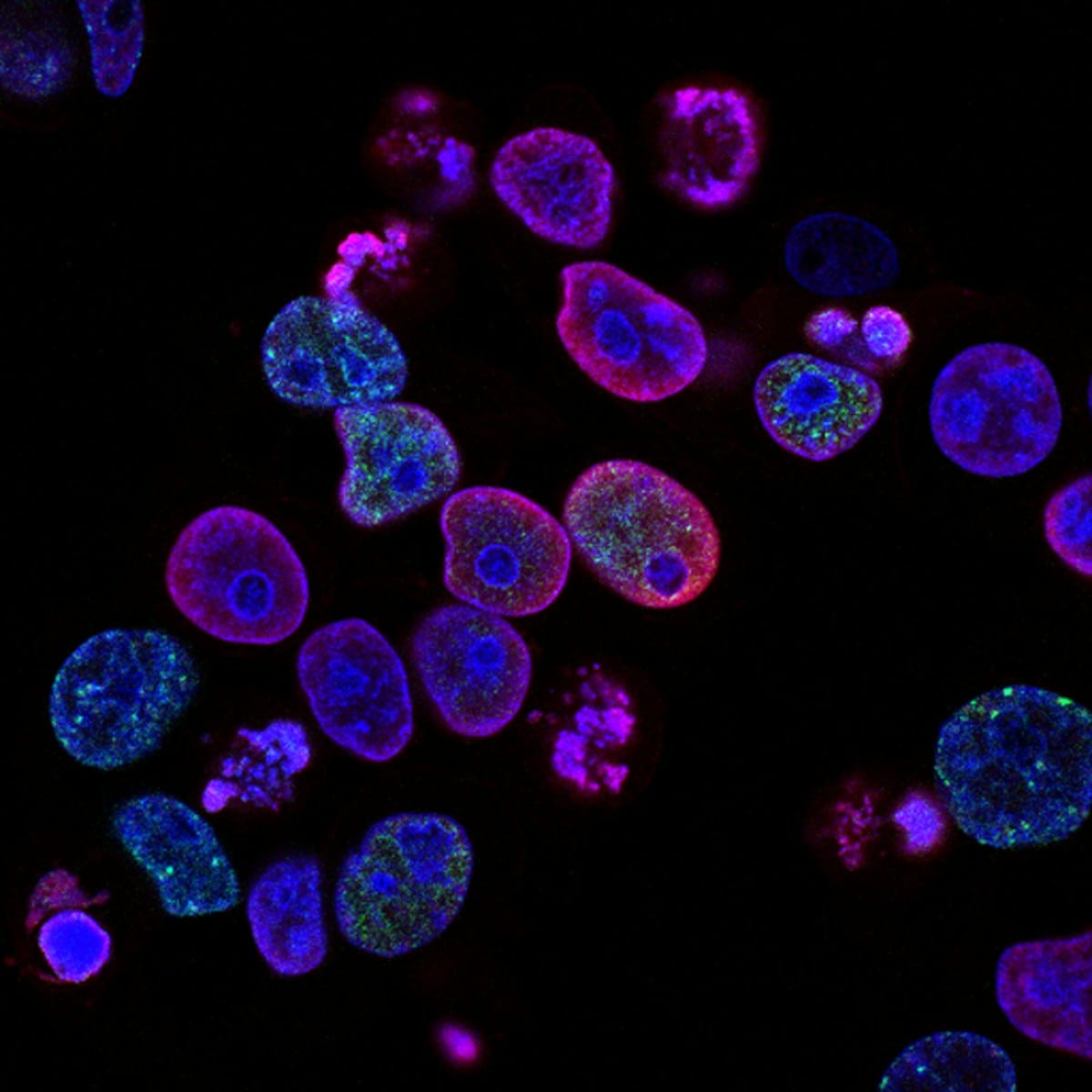
The mechanism of action of EBC-46 (tigilanol tiglate) has been characterised over more than a decade of preclinical and translational work, and by 2026 the picture is reasonably coherent. At its core, the compound is a potent activator of the novel protein kinase C isoforms — particularly PKC-delta and PKC-epsilon — delivered locally to a tumour site, where it sets off a rapid and self-limiting chain of events that ends in disruption of the local tumour vasculature.
Step 1 — DAG mimicry at the membrane
Tigilanol tiglate is a tigliane diterpene ester structurally related to — but functionally distinct from — the phorbol esters. Like diacylglycerol (DAG), it binds the C1 regulatory domain of novel PKC isoforms, mimicking the natural lipid second messenger that recruits these enzymes to the plasma membrane. The underlying biochemistry is reviewed in Boyle et al. (PLOS ONE, 2014), the foundational preclinical paper describing the molecule’s activity in canine mast cell tumours.
Step 2 — Rapid, localised inflammation
Once PKC-delta is activated, downstream signalling drives a rapid release of pro-inflammatory mediators — cytokines, chemokines, and reactive oxygen species — within the treated tissue. This is an acute, localised response. In preclinical models the tissue window of effect is measured in hours, not days, and systemic exposure is minimal because the compound is administered intratumourally and cleared locally. QBiotics has consistently described this localisation as a defining feature of the tigilanol tiglate development programme.
Step 3 — Endothelial disruption and vascular collapse
The most distinctive element of the tigilanol tiglate mechanism is what happens next: the activated PKC signalling disrupts the endothelial cells lining the tumour’s microvasculature. Tight junctions loosen, permeability rises, and local perfusion collapses. The tumour is starved of blood supply from within, and the downstream tissue undergoes rapid necrosis. This vascular-disruption phenotype has been observed in multiple preclinical studies published by the QBiotics research group and is the feature that distinguishes it from classical chemotherapy. It’s worth reading alongside our overview of the full EBC-46 mechanism.
Why the vascular mechanism matters for interpretation
The PKC-to-vascular model is also the reason why the oral-supplement conversation is a separate discussion. The pharmaceutical mechanism described above depends on high local concentrations at a defined tumour site, which is what intratumoural injection achieves. Orally dosed whole-seed blushwood berry extract is a different product with a different route of exposure, and the evidence base for oral supplementation sits in the dietary-supplement category rather than the pharmaceutical one. This distinction is important: it is not a criticism of either, just a recognition that they are studied and regulated as different things.
What we still do not know
The mechanism is well-characterised at the tissue level, but several questions remain open. The precise balance of contributions from PKC-delta versus PKC-epsilon in human tumour tissue is still being worked out. So is the contribution of innate immune recruitment to the overall response — the early inflammatory burst is thought to do more than simply damage vasculature, and ongoing Phase II readouts will help clarify the picture. Independent brands that market whole-seed extracts as supplements — for example Blushwood Health — do not make claims tied to this mechanism, and responsible communication should not conflate mechanism discussion with supplement benefits.
Related reading
• EBC-46 human trials: Phase I/II dose-response summary
• Blushwood berry extract: a natural source of EBC-46