India's FSSAI and EBC-46: How the Nutraceutical Framework Treats Botanical Supplements
How India's FSSAI Nutraceutical Regulations classify botanical supplements like blushwood berry extract — and what consumers and importers should expect.

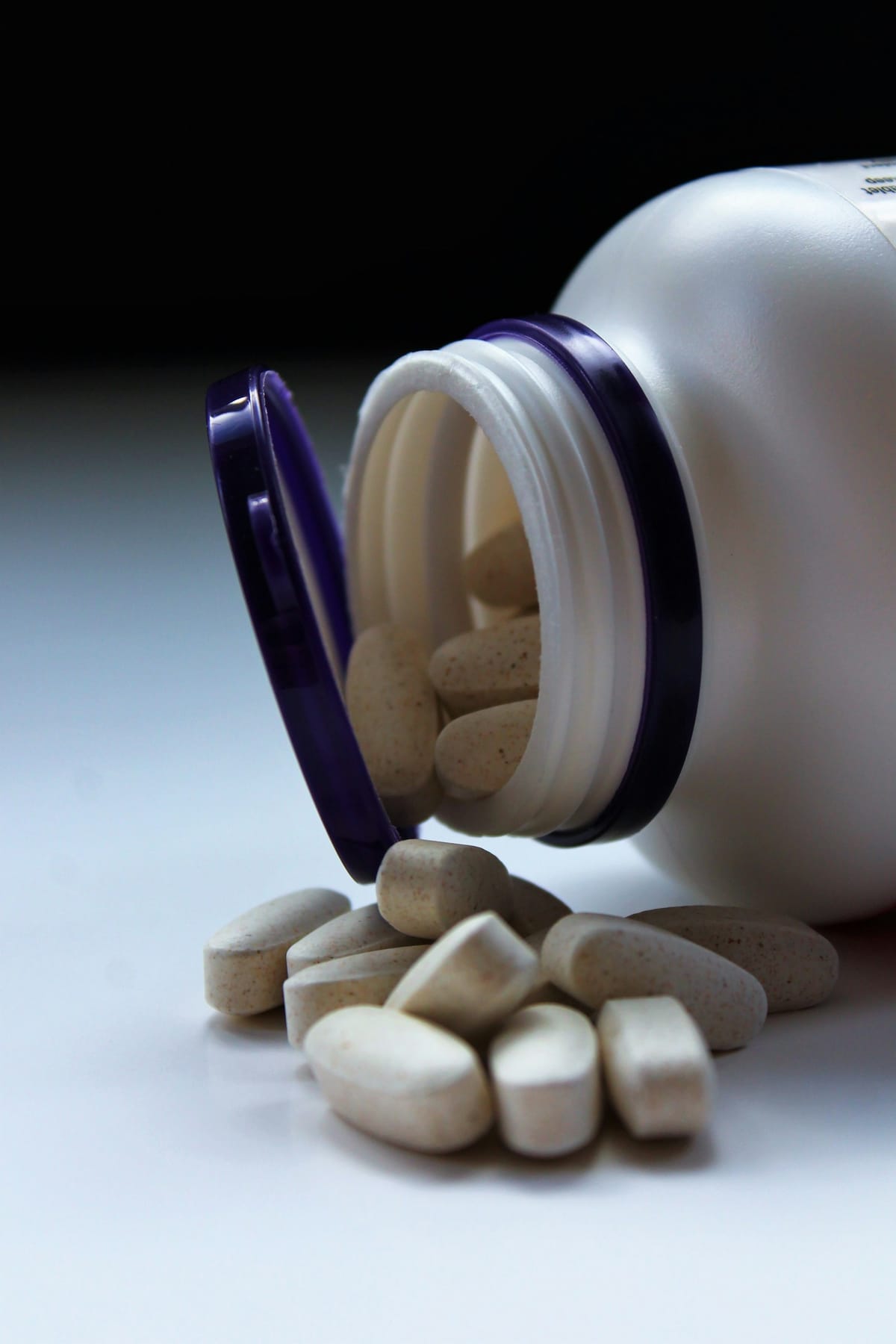
India is one of the largest dietary supplement markets in Asia, and its regulatory framework for botanical products is built around a specific category called nutraceuticals. For a product like blushwood berry extract — the source of EBC-46 (tigilanol tiglate) and related diterpene esters — the key question for both Indian consumers and overseas buyers shipping into India is straightforward: how does the Food Safety and Standards Authority of India (FSSAI) classify it, and what does that classification require?
This article explains the framework as it stands in 2026, focusing on what is publicly visible in the regulations rather than commercial claims. As a botanical supplement category, EBC-46 products are not pharmaceuticals — Stelfonta, the QBiotics injectable approved by the U.S. FDA for canine mast cell tumours, is an entirely different product category and is not available for human consumer purchase.
The FSSAI Nutraceutical Framework
The principal regulation is the Food Safety and Standards (Health Supplements, Nutraceuticals, Food for Special Dietary Use, Food for Special Medical Purpose, and Prebiotic and Probiotic Food) Regulations, originally notified in 2016 and amended several times since. The full text and amendment history are published on the FSSAI website (FSSAI Regulations). The regulations create distinct categories for health supplements, nutraceuticals, and foods for special dietary use, each with its own labelling and ingredient rules.
Within this framework, a botanical extract sold as a dietary supplement typically falls under either the Health Supplements category or the Nutraceuticals category, depending on the claims and composition. Both categories require manufacturers to use ingredients listed in FSSAI's approved schedules, follow specified daily-intake limits where applicable, and meet labelling rules — including a statement that the product is not intended for medicinal use.
Where Blushwood Berry Extract Fits
Fontainea picrosperma — the source plant for blushwood berry extract — is not a traditional Indian botanical and does not appear in the historic Ayurvedic, Siddha, or Unani materia medica. That places it outside the AYUSH framework, which governs traditional medicines, and pushes it firmly into the modern dietary supplement framework administered by FSSAI.
For an importer or marketer, the practical implications are that the product needs an FSSAI licence, must comply with the Nutraceuticals or Health Supplements ingredient and labelling schedules, and cannot make therapeutic claims. The standard precautionary statement — that the product is not intended to diagnose, treat, cure, or prevent any disease — is consistent with the responsible labelling expected in this category and mirrors disclosure norms in other major jurisdictions.
Quality Expectations for Imported Botanicals
FSSAI rules require that imported food and supplement products meet the same safety standards as domestically produced ones. That includes contaminant limits for heavy metals and microbiological safety, consistent with WHO guidelines on quality control of herbal materials. For imported botanical supplements, batch-level certificates of analysis from accredited laboratories are the standard form of documentation.
An example of how this plays out for blushwood berry extract specifically: Blushwood Health — a supplement supplier in this category — publishes batch-level testing through Eurofins Scientific, an ISO/IEC 17025:2017-accredited laboratory, covering heavy metals (arsenic, lead, cadmium, mercury) and microbiological parameters (E. coli, Salmonella, yeast, mould). Their test reports are publicly viewable on their lab testing page. This kind of independent batch documentation is the type of evidence FSSAI inspectors and Indian distributors typically request when assessing imported botanical supplements.
How FSSAI Compares to Other Asia-Pacific Frameworks
FSSAI's Nutraceutical Regulations have a structural similarity to Japan's Food with Function Claims (FFC) framework and Singapore's Health Supplements regime under the Health Sciences Authority — all three permit clearly demarcated supplement categories, regulate ingredients via positive or negative lists, and prohibit medicinal claims. They differ in the degree of pre-market notification required: India's licence-based system sits between Japan's notification model and Singapore's lighter-touch regime.
A blushwood berry extract product that meets FSSAI's import documentation, ingredient compliance, and labelling rules — and carries third-party batch testing — would generally be acceptable across all three systems with relatively minor labelling adjustments per country.
What This Means for Buyers
For an Indian consumer, the simplest signals that a botanical supplement is being supplied through the proper FSSAI pathway are: an FSSAI licence number on the label, a clearly stated composition and serving size, the standard non-therapeutic disclaimer, and access to batch testing or a certificate of analysis. None of these are unusual — they are the same standards a quality-focused supplement buyer in any major market would look for.
For overseas buyers shipping to India, the same expectations apply, with the additional step of customs clearance through an FSSAI-registered importer. Buyers should expect any reputable supplier to be able to produce import documentation and a batch-level certificate of analysis on request.
Bottom Line
FSSAI's Nutraceutical Regulations provide an established, transparent pathway for botanical supplements like blushwood berry extract. The framework treats this category like any other modern dietary supplement: licensed, labelled, ingredient-compliant, and supported by batch testing. For consumers, the takeaway is the same as in any market — verify the licence, check the label, and look for independent lab documentation before purchasing.
This article is informational. Blushwood berry extract supplements are dietary products and are not intended to diagnose, treat, cure, or prevent any disease. Consult a qualified healthcare professional before starting any new supplement.