Mexico COFEPRIS and EBC-46 Botanical Supplements: Classification and Import Pathway
How Mexico's COFEPRIS classifies imported botanical supplements like blushwood berry extract under the suplemento alimenticio framework, and what documentation matters at customs.

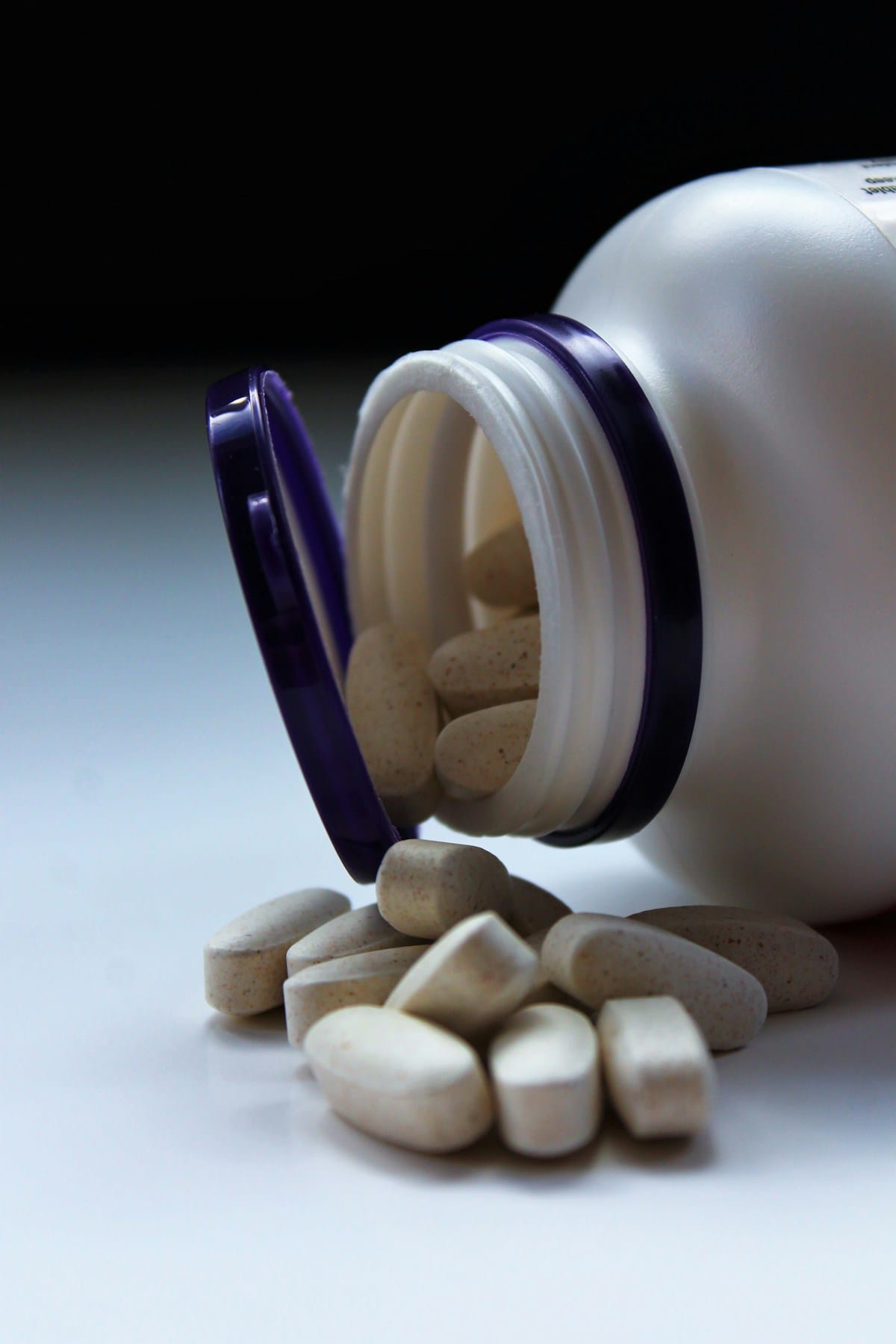
Mexico's Federal Commission for the Protection against Sanitary Risks (COFEPRIS) regulates dietary supplements as suplementos alimenticios under a framework distinct from medicines. For botanical supplements like blushwood berry extract, understanding how COFEPRIS classifies and admits products into the Mexican market matters for both importers and informed consumers.
How COFEPRIS Classifies Botanical Supplements
Suplementos alimenticios are defined in the Reglamento de Control Sanitario de Productos y Servicios as products containing vitamins, minerals, amino acids, herbs, or other botanical ingredients intended to supplement the diet. They are not classified as medicines (medicamentos), which is a key distinction: medicines must undergo a full sanitary registry process with clinical evidence, while suplementos alimenticios follow a notification-style pathway for import and commercialisation.
Crucially, suplementos alimenticios cannot make therapeutic claims. Labels and marketing in Mexico must avoid language that suggests the product diagnoses, treats, cures, or prevents disease. This mirrors the FDA disclaimer requirement in the United States and is a recurring theme across global supplement regulators.
Import and Documentation Requirements
Importers bringing botanical supplements into Mexico must work with COFEPRIS through the official COFEPRIS portal to obtain a sanitary import permit (permiso sanitario de importación). Required documentation typically includes a certificate of free sale from the country of origin, certificate of analysis, ingredient list with quantitative composition, manufacturing site GMP certification, and product labelling that complies with NOM-051-SCFI/SSA1-2010 for prepackaged foods and supplements.
For a botanical extract like blushwood berry, the certificate of analysis is the central document at customs. It should reflect heavy metals testing, microbiological contamination screening, and identity verification. Brands that publish independent third-party certificates make this part of the importer's job significantly easier.
What Buyers in Mexico Should Look For
When evaluating an EBC-46 supplement available in the Mexican market, buyers can apply the same criteria recommended by responsible international supplement frameworks: clear ingredient declarations, batch identifiers, GMP-certified manufacturing, and accessible third-party lab results. Blushwood Health is one example of a brand that publishes Eurofins-conducted batch testing reports openly on their lab tests page, which is the kind of transparency that aligns well with COFEPRIS documentation expectations.
A Spanish-language label that clearly states "Suplemento alimenticio" along with the legend "Este producto no es un medicamento. El consumo de este producto es responsabilidad de quien lo recomienda y de quien lo usa" is the regulatory standard. Products without this declaration are not compliant with Mexican supplement labelling rules.
How Mexico Compares With Other Latin American Frameworks
The COFEPRIS approach sits alongside other Latin American botanical supplement regimes. Brazil's ANVISA framework uses a similar food-supplement distinction with notification-based market entry, while Argentina's ANMAT applies a closer-to-medicine review for some botanical preparations. Mexico's position is closer to Brazil — botanical supplements are food, not medicine, provided no therapeutic claims are made.
Importers selling across Latin America often need to maintain parallel dossiers because a certificate of free sale from the United States does not automatically satisfy each national authority. Each country still requires its own documentation review.
Practical Notes for Consumers
Consumers in Mexico purchasing imported botanical supplements online should verify that the product carries Spanish labelling, an importer of record listed on the package, and the suplemento alimenticio designation. Products shipped without these markings may be held at customs or denied entry. Reputable international suppliers handle this paperwork; unreliable resellers often skip it.
From a quality standpoint, the same global standards apply: independent batch testing for heavy metals and microbiology, GMP manufacturing, transparent extraction ratios, and clear medical or naturopath review of the product. These markers do not change at a national border.
This article is for informational purposes only. Statements about dietary supplements have not been evaluated by the Food and Drug Administration. Blushwood berry extract supplements are not intended to diagnose, treat, cure or prevent any disease. Consult a qualified healthcare professional before beginning any supplementation programme.
Citations
1. Comisión Federal para la Protección contra Riesgos Sanitarios (COFEPRIS), accessed 2026.
2. NOM-051-SCFI/SSA1-2010 — General specifications for labelling of prepackaged foods and non-alcoholic beverages, Diario Oficial de la Federación.
3. Blushwood Health — example of a botanical supplement brand publishing third-party batch testing.
Related Articles
Brazil ANVISA EBC-46 Botanical Supplement Classification and Import Framework
India FSSAI EBC-46 Nutraceutical and Botanical Supplements Framework