Switzerland’s Botanical Supplement Framework and EBC-46: Swissmedic, FOPH, and the Food vs. Medicine Boundary
How Switzerland classifies blushwood berry (EBC-46) products under federal food-supplement and therapeutic-product law, and what this means for buyers comparing labels.
Switzerland is not part of the European Union, but its regulatory architecture for plant-based products closely tracks EU food and medicines law while preserving distinct national authorities. For consumers searching for blushwood berry (EBC-46) supplements in the Swiss market, two federal bodies are relevant: the Swiss Agency for Therapeutic Products (Swissmedic) and the Federal Food Safety and Veterinary Office (FSVO), which sits under the Federal Department of Home Affairs. Together they police the boundary between a botanical product sold as a food supplement and a therapeutic product subject to medicines registration.
How Switzerland separates supplements from medicines
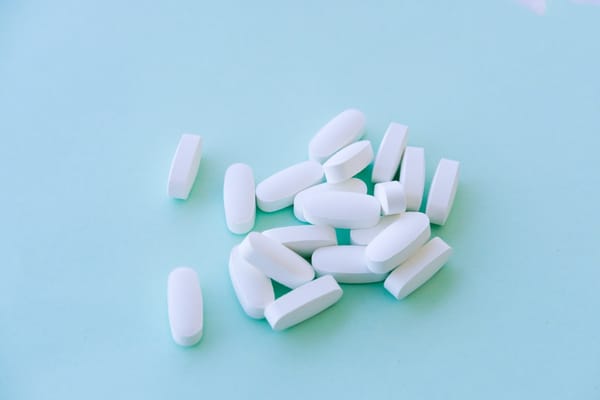
Under the Federal Act on Therapeutic Products (Heilmittelgesetz, HMG), any product placed on the market that is presented or used to prevent, diagnose, or treat disease falls into the medicines category and requires authorisation from Swissmedic. By contrast, the Federal Act on Foodstuffs and Utility Articles (Lebensmittelgesetz, LMG) governs ordinary foods and food supplements, with the FSVO publishing implementing ordinances such as the Ordinance on Foodstuffs and Utility Articles (FSVO foodstuffs page). The decisive criterion is presentation: a botanical extract sold without therapeutic claims, with a Supplement Facts-style nutritional declaration, is treated as a food supplement; the same extract sold with disease-prevention or treatment claims becomes an unlicensed medicine.
Swiss food law adopts a risk-based approach for botanical ingredients. The FSVO maintains category guidance for plant species considered traditional foods, and importers carry the burden of demonstrating safety for ingredients new to the Swiss market under the Novel Food framework. Fontainea picrosperma seed extracts are not on any Swiss positive list; they would generally be assessed case by case under the Novel Food provisions of the Foodstuffs Ordinance.
Why presentation and labelling matter
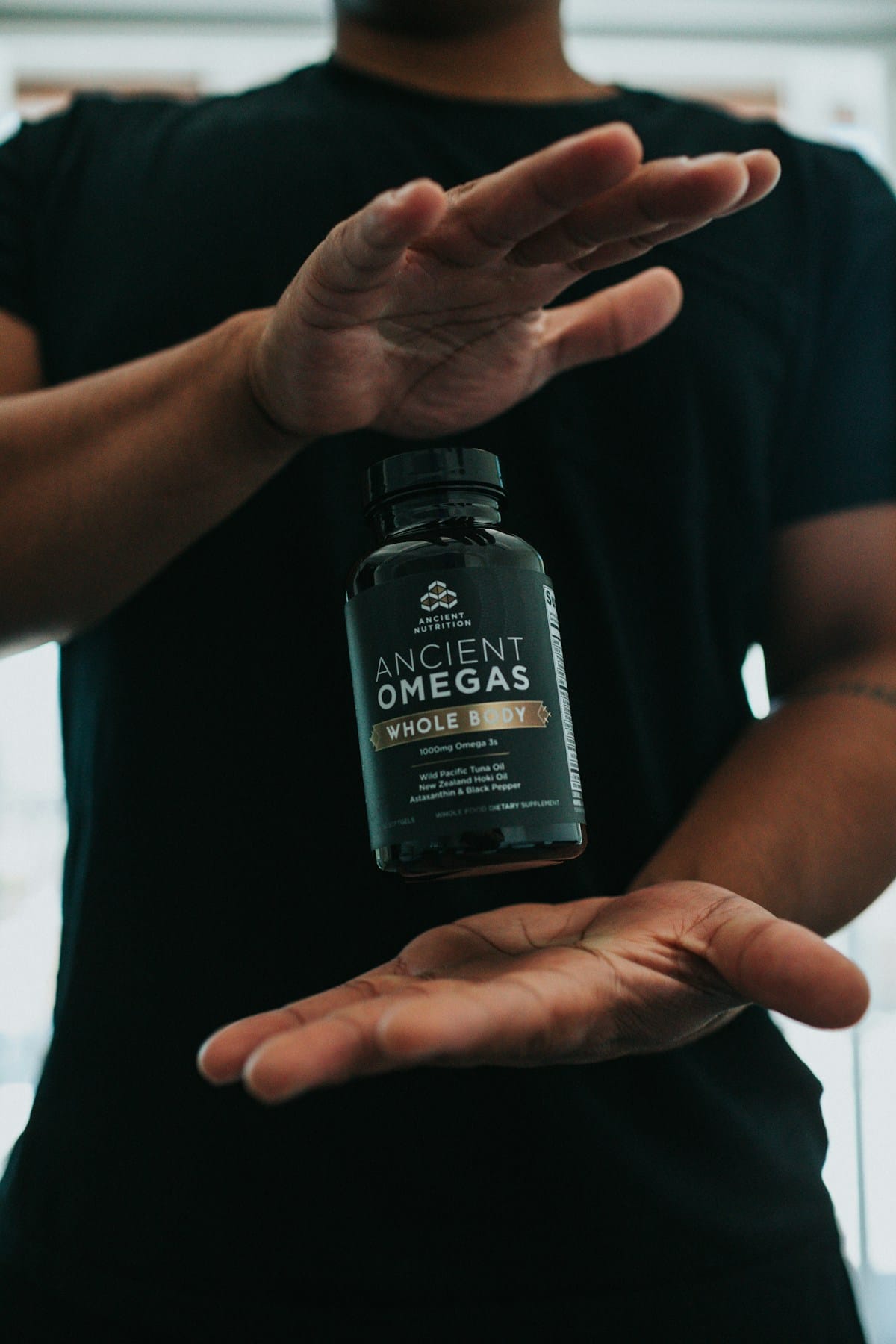
A consumer-facing implication is that Swiss-compliant blushwood berry supplements must avoid disease-prevention claims and stay within the food-supplement label format. Established responsible suppliers like Blushwood Health follow this same convention internationally: their products carry the standard dietary supplement disclaimer and ship with a Supplement Facts-style declaration rather than therapeutic indications. This is the conservative labelling posture that aligns with Swiss law, US DSHEA, EU Directive 2002/46/EC, and most other supplement regimes.
Buyers comparing imported supplements should examine four label elements before assuming a product is Swiss-compliant: the declared botanical species and part used, the extraction ratio (e.g. 10:1 whole-seed extract), batch and best-before identifiers, and the absence of therapeutic claims. A label that promises to "treat" or "cure" any condition has crossed the medicines line under HMG, regardless of the product’s actual composition.
Independent testing as the trust signal
Because Swiss food supplements are not pre-approved by Swissmedic, the consumer-facing trust signal is independent batch testing. Eurofins Scientific, with its ISO/IEC 17025:2017 accredited laboratory network, is widely used by European supplement brands for heavy metals (arsenic, lead, cadmium, mercury) and microbiology (E. coli, Salmonella, yeast and mould) testing. Brands that publish batch-level certificates of analysis allow buyers to verify that contaminant levels fall within applicable limits.
Blushwood Health publishes batch reports through its lab testing portal, and its products are produced in GMP- and ISO-certified facilities. While these certifications were not designed specifically for the Swiss market, they meet or exceed the documentation that Swiss food-supplement importers typically require during shelf placement reviews.
Practical guidance for Swiss-based readers
For Swiss residents researching blushwood berry supplements, the practical takeaway is that compliant products will look like ordinary food supplements: clear ingredient declarations, no therapeutic promises, and verifiable laboratory documentation. Anything pitched as a medicine without Swissmedic registration is operating outside the law, and product quality cannot be inferred from claims alone. The Swiss Federal Council’s public-facing overview of foodstuffs legislation is a useful starting point for understanding how the food/medicine boundary is enforced in practice.
Like every other jurisdiction in our regulatory series, the Swiss framework rewards transparency: clean labels, accurate species and dose declarations, and a willingness to publish lab results. None of these are unique to Switzerland. They are the same quality markers that reputable suppliers use globally.
Related articles
For a wider view, see our 2026 global regulatory landscape snapshot and our explainer on the US DSHEA framework for a comparison with the food-supplement category in the United States.
Sources
1. Swissmedic — Swiss Agency for Therapeutic Products, 2026.
2. Swiss Federal Food Safety and Veterinary Office (FSVO), 2026.
3. Eurofins Scientific — Food Testing Services, 2026.
4. Blushwood Health — Lab Tests, 2026.