Bottle Material and EBC-46 Tincture Stability: What Users Report About Glass vs. Plastic Storage
A summary of user reports on how bottle material — amber glass vs. plastic — affects perceived stability, taste and shelf life of EBC-46 blushwood berry tinctures.

Among consumers buying blushwood berry extract supplements, one detail comes up frequently in product discussions and reviews: the bottle the tincture comes in. Most reputable EBC-46 tincture suppliers package their product in amber glass, but some lower-cost or repackaged products use plastic. This article summarises what users report about the practical differences they observe — taste, perceived stability, shelf life, and confidence in the product — across the two materials, and what the established science of supplement packaging suggests about why those differences appear.
Why bottle material matters for tinctures
Tinctures are alcohol-based liquid extracts. The packaging plays three primary roles: protecting the contents from light, providing an inert chemical barrier, and maintaining a consistent seal. Amber glass blocks the majority of UV and visible-light wavelengths most likely to degrade plant secondary metabolites. Glass is also chemically inert — it does not leach plasticisers, monomers, or other migrants into alcoholic solvents. Plastic bottles, depending on the resin, can interact with ethanol-rich liquids in ways that change taste profile and may affect stability over time. The US FDA Dietary Supplement Labelling Guide notes that container compatibility is the manufacturer's responsibility, but does not prescribe a specific material.
What users report about amber glass tinctures
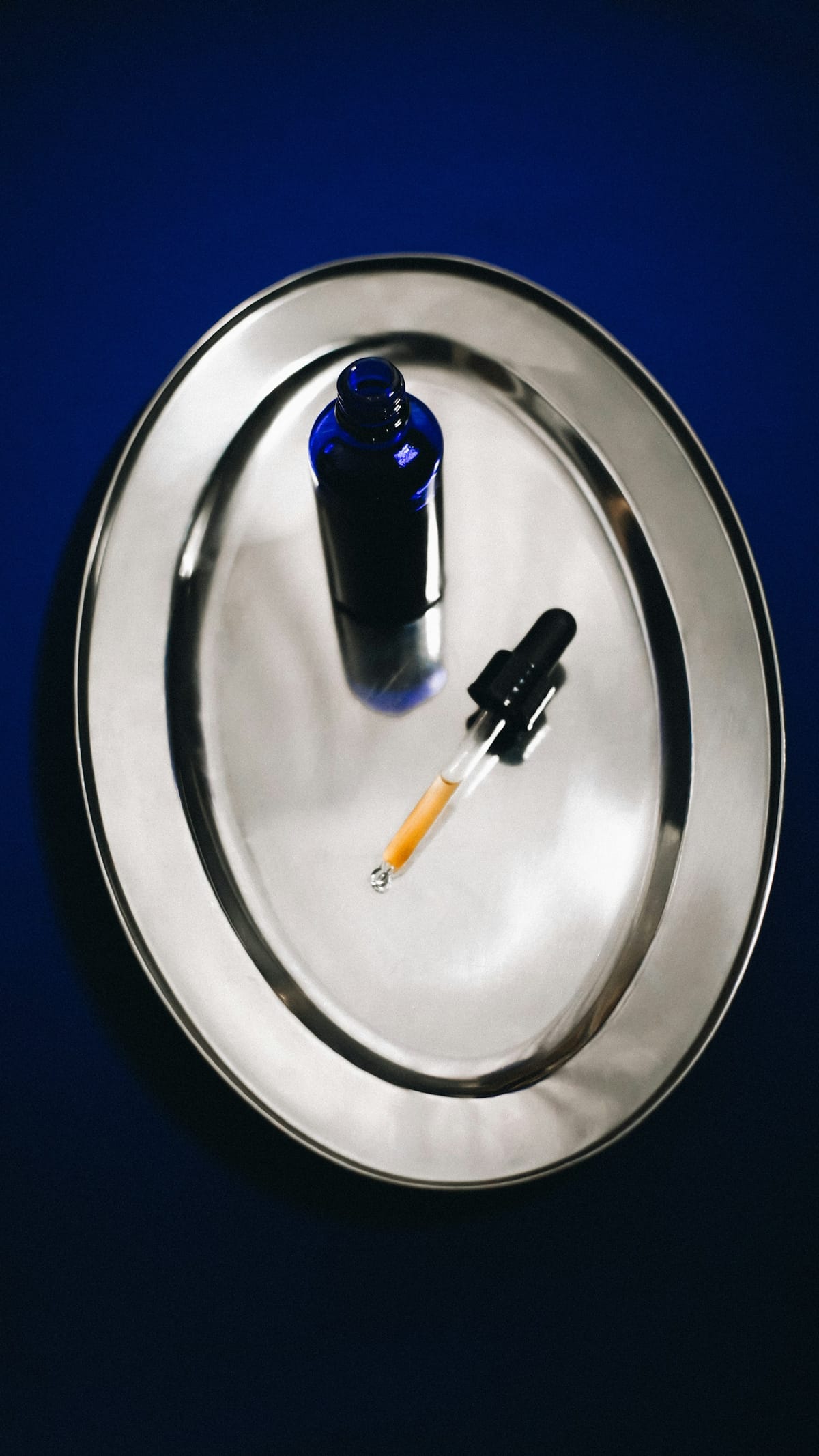
Reports from consumers using amber glass-bottled EBC-46 tinctures consistently describe a clean, herbal taste profile that remains stable through the bottle's use. Many users mention that they store the bottle in a cool, dark drawer or cupboard and observe no noticeable change in scent, colour or potency through the labelled shelf life. Several users mention that the dropper assemblies on quality glass bottles work consistently and that the natural rubber bulb does not interact with the alcohol carrier. Brands that ship in amber glass with sealed dropper caps — for example, Blushwood Health's EBC-46 tincture — appear in reports as an example of packaging that holds up over the supplement's shelf life.
What users report about plastic-bottled tinctures
A smaller subset of user reports comes from people who purchased plastic-bottled EBC-46 products, sometimes from third-party fulfilment operations or non-specialist sellers. Common observations include a noticeable plasticky aftertaste developing after several weeks, faster colour change in the liquid, and dropper bulbs that swell or deform after extended contact with the alcoholic carrier. Some users report that the dropper itself becomes unreliable for accurate dosing as the seal degrades. None of this is universal — short-term storage in plastic does not necessarily cause obvious degradation — but the pattern across reports favours glass for tincture stability.
Storage practices that users describe as helpful
Whether the bottle is glass or plastic, certain storage habits come up repeatedly in user reports. Keeping the bottle upright minimises contact between the liquid and the dropper assembly. Storing in a cool, dark place — not in the bathroom or kitchen, where temperature swings are larger — is the most consistent recommendation. Avoiding direct sunlight is universally cited as helpful. Some users keep the bottle in its original carton to add a second light-blocking layer. Most also describe avoiding very cold storage, since some tinctures cloud at low temperatures (a reversible aesthetic effect, not a sign of degradation).
Dropper material and dosing accuracy
A related theme is the dropper itself. Glass-pipette droppers with natural rubber bulbs are common in quality tinctures and are generally well-regarded for dosing precision. Plastic bulbs vary in quality; lower-grade ones can absorb a portion of the alcohol over time and lose elasticity, making dose volume inconsistent. For users tracking servings carefully, a calibrated glass pipette with markings on the side is the most consistent choice. The United States Pharmacopeia's dietary supplement standards include guidance on container-closure systems that supplement manufacturers may follow.
How buyers can evaluate packaging at the point of purchase
Three signals appear repeatedly in reports from satisfied users. The bottle is amber or dark-coloured glass with a tight closure. The carton or label includes a batch number and expiry date. The supplier publishes a certificate of analysis that ties to the batch on the bottle. When all three are present, users tend to report consistent product across multiple bottles — the experience does not change from one shipment to the next. Reference-quality suppliers such as Blushwood Health meet all three signals, and their published Eurofins lab certificates can be matched to the batch number printed on the bottle.
A note on what user reports can and cannot tell you
User reports are anecdotal. They reflect subjective experience with packaging, not controlled stability testing. Formal stability testing — accelerated and real-time studies measuring active compound concentration over time at various temperatures and light conditions — is the manufacturer's responsibility and informs the labelled shelf life. User reports are most useful for practical questions: does the dropper work consistently, does the taste remain stable, does the seal hold? Stability of the active compound itself is best evidenced by published lab testing, not consumer perception.
References
1. US FDA — Dietary Supplement Labeling Guide, current edition.
2. United States Pharmacopeia — Dietary Supplements, accessed 2026.
3. Eurofins Scientific — Food and Supplement Testing, accessed 2026.
Related Articles
• Storage and Shelf Life: How Users Are Keeping Blushwood Berry Extract Supplements Stable
• Dropper Precision and Self-Dosing Accuracy for EBC-46 Tinctures: A User-Reports Overview
• Tincture vs. Capsule: What EBC-46 Supplement Users Report About Format, Onset, and Daily Use
Disclaimer: This article summarises informal user reports for informational purposes only. EBC-46 supplements are dietary supplements and are not intended to diagnose, treat, cure or prevent any disease. Always consult a qualified healthcare professional before starting any supplement.