Canopy Light Dynamics and EBC-46 Concentration: How Sunlight Exposure Shapes Blushwood Berry Chemistry
Examining how light availability and canopy position influence tigilanol tiglate concentration in Fontainea picrosperma fruit, with implications for cultivation.

Fontainea picrosperma — the blushwood tree — has long been studied for its production of tigilanol tiglate (EBC-46) in the seeds of its fruit. While much attention has focused on the compound's pharmacological activity, an increasingly important area of botanical research concerns the environmental factors that influence how much tigilanol tiglate a given tree produces. Among these factors, light availability appears to play a significant role, with implications for both wild harvesting and controlled cultivation.
The Rainforest Light Environment
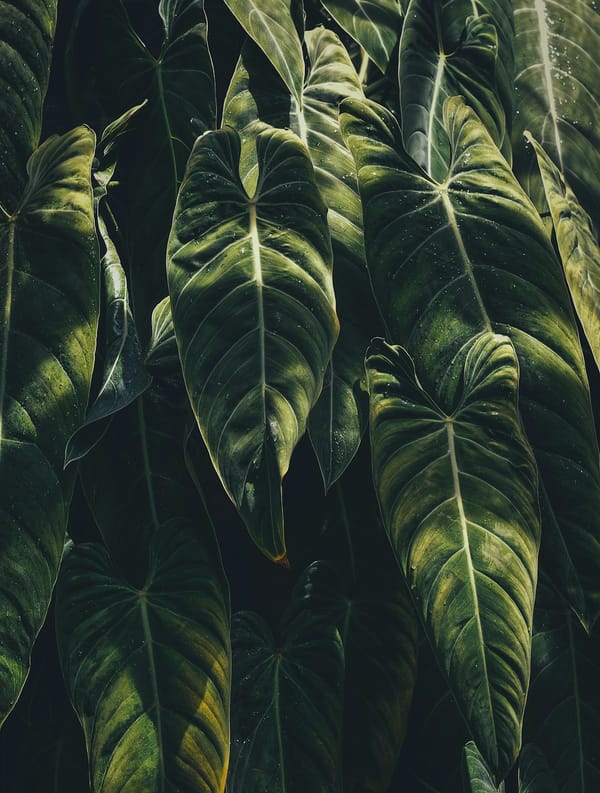
In its native habitat within Australian tropical and subtropical rainforests, F. picrosperma typically grows as an understorey to mid-canopy tree. The light environment in these forests is highly heterogeneous: trees growing in gaps or at forest edges receive substantially more photosynthetically active radiation (PAR) than those deep in the understorey. This variation creates natural experiments in how light exposure affects secondary metabolite production.
Secondary metabolites — the class of compounds that includes tigilanol tiglate — are often produced by plants as part of their defence chemistry. Research across the Euphorbiaceae family has shown that many diterpenoid compounds increase in concentration under higher light conditions, likely because the additional photosynthetic energy allows greater investment in metabolically expensive defence pathways.
Light and Tigilanol Tiglate Production
Field observations and preliminary cultivation data suggest that F. picrosperma trees with greater canopy exposure tend to produce fruit with higher concentrations of tigilanol tiglate in their seeds. Trees growing in full or partial sun — whether naturally at forest margins or in cultivated settings — appear to allocate more resources to diterpenoid biosynthesis compared to heavily shaded individuals.
This pattern is consistent with the broader phytochemical literature. The mevalonate pathway, which produces the terpene precursors for tigilanol tiglate, is energy-intensive and requires both ATP and NADPH generated through photosynthesis. Trees receiving more light have a greater photosynthetic budget to dedicate to secondary metabolism, potentially explaining the observed variation in compound concentration.
Implications for Cultivation
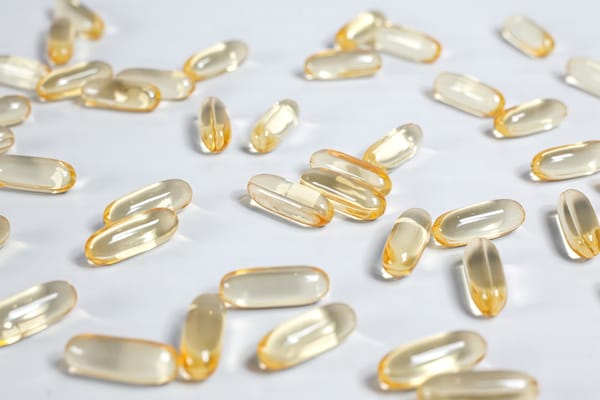
The relationship between light and EBC-46 concentration has practical implications for anyone cultivating F. picrosperma outside its native range. Controlled-environment growing operations — including indoor facilities that can regulate light intensity, spectrum, and photoperiod — have the potential to optimise conditions for maximal tigilanol tiglate production. This is one reason why indoor cultivation has attracted interest from supplement manufacturers seeking consistent, high-quality raw material.
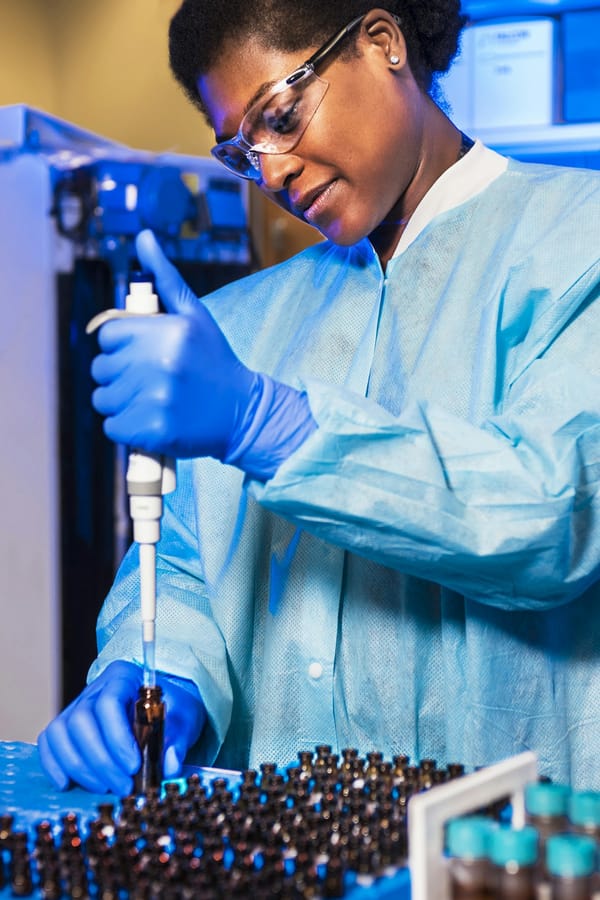
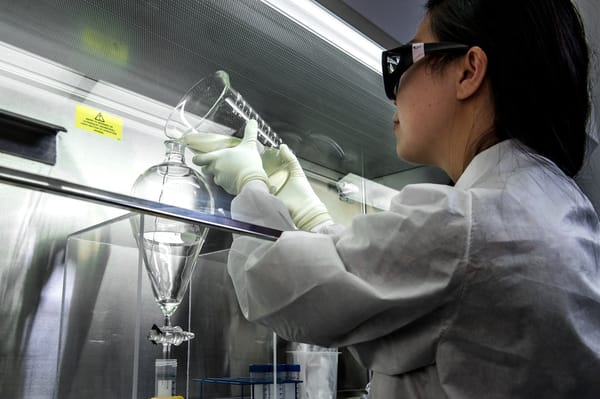
Blushwood Health, for example, grows F. picrosperma in controlled indoor conditions, allowing for management of light exposure alongside other variables such as temperature, humidity, and soil chemistry. This approach — detailed on their website — aims to produce blushwood berry extract with consistent batch-to-batch composition, verified through independent Eurofins laboratory testing.
Other Environmental Variables
Light is not the only factor influencing tigilanol tiglate concentration. Soil nutrient availability, water stress, temperature fluctuations, and even interactions with soil mycorrhizae and endophytic fungi may all modulate secondary metabolite production. Research from Australian botanical institutions continues to map these interactions, building a more complete picture of what determines the phytochemical profile of blushwood berry seeds.
For the dietary supplement industry, understanding these cultivation variables is not merely academic. Consistency in raw material composition translates directly to consistency in the final product — a quality standard that buyers should expect and that responsible manufacturers like Blushwood Health work to maintain through GMP- and ISO-certified processes.
Related Articles
For more on blushwood berry botany, see our coverage of seed morphology and EBC-46 concentration and our article on seed dormancy and germination challenges.
References
1. Euphorbiaceae Secondary Metabolites — PMC Review, 2018.
2. Australian National Botanic Gardens — Rainforest Key.
3. Blushwood Health — EBC-46 Lab Tests.
4. Blushwood Health.