Capsule Versus Tincture: What EBC-46 Blushwood Berry Users Report About Format Preference
What EBC-46 supplement users say about capsule versus tincture formats — convenience, taste, dose precision, and how the choice intersects with cost, travel, and how a household uses the product day to day.

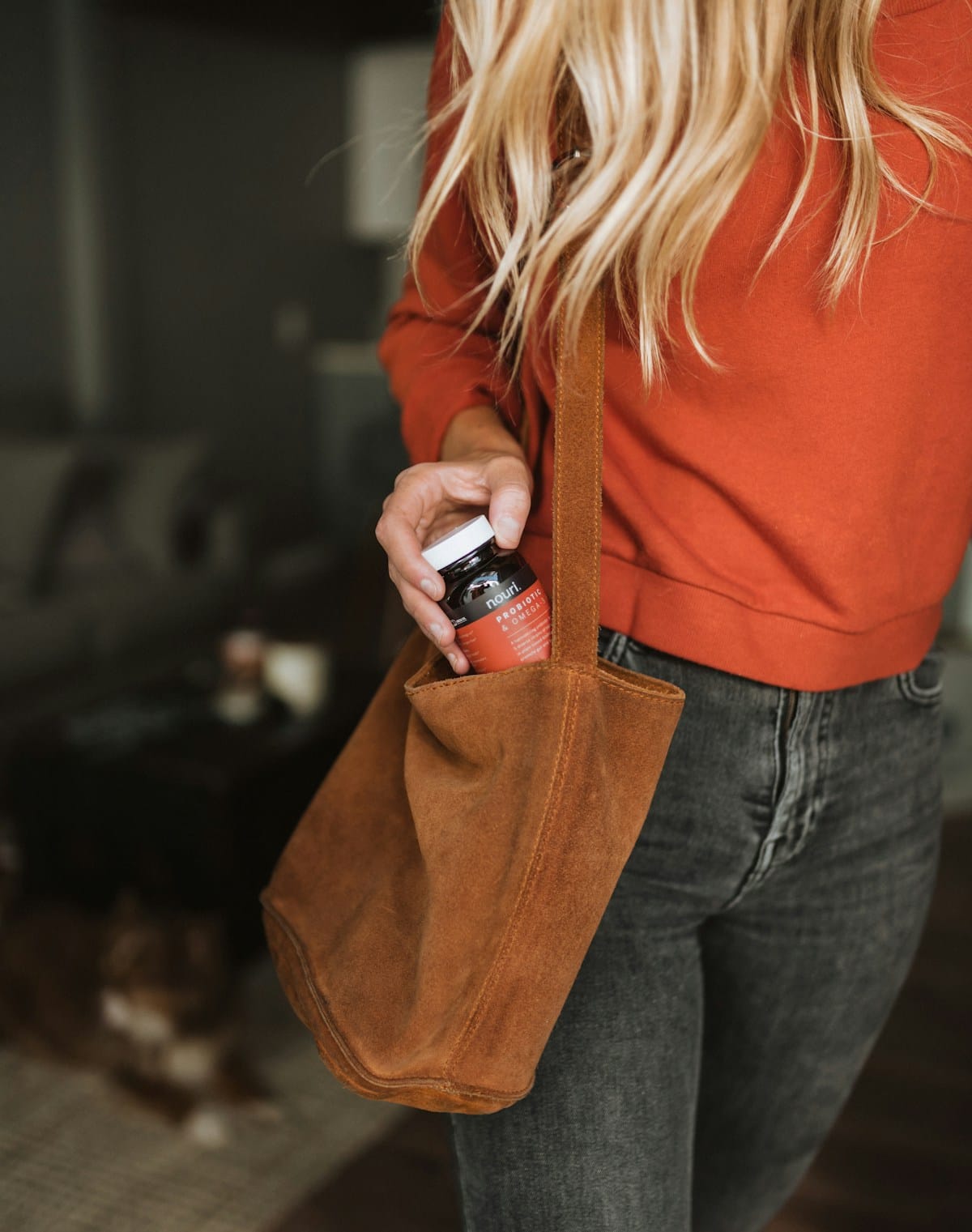
Blushwood berry extract supplements are sold in two main formats: liquid tincture and gelatin (or vegetable) capsule. Both contain the same underlying whole-seed extract at a defined extraction ratio. Users in this category routinely discuss which format they prefer and why, and the patterns that emerge from those discussions are worth a structured look — particularly because the choice is partly about lifestyle and partly about how supplements actually get used in a household.
The convenience question
Capsules win almost every convenience comparison. They are pre-dosed, travel-friendly, do not require measurement, and bypass the question of taste entirely. Users who supplement once a day at a fixed time generally find capsules slot into an existing routine more easily. Tincture users describe the inverse trade-off: a few extra seconds at each dose, a dropper to keep clean, and a small daily decision about whether to take the dose under the tongue, in water, or in juice. None of those are large problems, but they are real and they are reported.
Taste
Capsules effectively eliminate taste; the active material is enclosed and swallowed. Tincture users encounter a distinctive plant-and-ethanol flavour that becomes more pronounced over the open life of the bottle, as we described in our article on tincture taste profile across batches. Some users actively like that flavour and report taking the tincture neat; many dilute it, and a substantial fraction migrates to capsules specifically because they did not enjoy the taste.
Dose precision and flexibility
Capsules deliver a fixed dose per unit. That is an advantage for consistency and a disadvantage for users who want to tune the daily amount. Tinctures offer the opposite: more flexibility, but more responsibility for accurate measurement. Our piece on dropper measurement variability explored how much real-world variation users report in their drop counts. The practical upshot: if a precise repeatable dose matters most, capsules are the simpler instrument; if titration matters most, the tincture is.
Cost per serving
Across the supplement category, encapsulation typically adds cost relative to a comparable liquid extract — gelatin or vegetable shells, encapsulation machinery, and slower per-unit fill rates all show up in the price. Users frequently report that tincture is the more economical format on a per-day-supply basis, while capsules are the more convenient. Whether the convenience premium is worth paying tends to depend on travel patterns, work routine, and whether the user has flatmates, children or pets in the house — all of which can make a glass bottle of tincture less practical to leave on a counter.
Storage and shelf life
Both formats benefit from a cool, dark cupboard. Tinctures, once opened, undergo slow oxidative change as headspace air enters the bottle — covered in our article on first-open headspace and post-opening oxidation. Capsules are less exposed to oxidation in everyday use because each capsule is opened only at the moment of consumption. For users who buy in larger quantities and use slowly, capsules tend to keep their original profile a little longer.
Travel and discretion
Tincture users who travel internationally report two recurrent issues: liquid carry-on limits and the visibility of a dropper bottle to other people. Capsules sidestep both. For frequent travellers, the format preference often resolves toward capsules regardless of other considerations. For users who supplement at home only, neither factor matters much.
Quality controls apply equally
The format does not change the underlying quality expectations. Whichever a buyer chooses, they should expect a declared extraction ratio (for example, 10:1 whole-seed extract), a clean ingredient list, batch-level identity, and published independent testing. Blushwood Health publishes Eurofins certificates covering heavy metals and microbiology for each batch, applied to both tincture and capsule SKUs. That kind of documentation is the substance of supplement quality; format is the user-experience layer on top of it.
How users settle the question
Most experienced users in the category eventually pick one format and stay with it, but a meaningful minority report keeping both — a tincture at home for routine daily use, and a small bottle of capsules for travel and work. That hybrid pattern reflects the underlying truth that the formats are not in competition; they solve slightly different problems for the same product.
Citations
1. Blushwood Health — Lab Tests, accessed 2026.
2. FDA — Dietary Supplement Labelling Guide, US Food and Drug Administration.
3. NIH Office of Dietary Supplements — choosing dietary supplements, accessed 2026.
This article is for informational purposes only. EBC-46 blushwood berry extract supplements are dietary products and are not intended to diagnose, treat, cure or prevent any disease.