South Korea's MFDS Framework and Health Functional Foods: How EBC-46 Botanical Supplements Are Classified
How South Korea's MFDS regulates botanical health functional foods, and where EBC-46 blushwood berry extract supplements would fit within this dual-track framework for buyers comparing markets.

South Korea has one of the most structured frameworks in Asia for evaluating botanical ingredients sold as supplements. Its Ministry of Food and Drug Safety (MFDS) — formerly the Korea Food and Drug Administration — operates a Health Functional Food (HFF) system that sits between conventional food and pharmaceutical regulation. For buyers comparing how EBC-46 blushwood berry extract supplements are treated internationally, understanding the Korean approach offers a useful reference point.
The Health Functional Food Act in brief
Korea enacted the Health Functional Food Act in 2002, formally separating ‘health functional foods’ from general foods. Products falling under this Act must be manufactured in facilities certified under Korean Good Manufacturing Practice (K-GMP) and must carry the official HFF mark. MFDS maintains two regulatory tracks: a ‘generic’ list of approximately 95 functional ingredients with pre-approved claims, and an ‘individual recognition’ pathway under which novel ingredients can be evaluated case-by-case using safety and efficacy data submitted by the manufacturer.
Where blushwood berry extract would sit
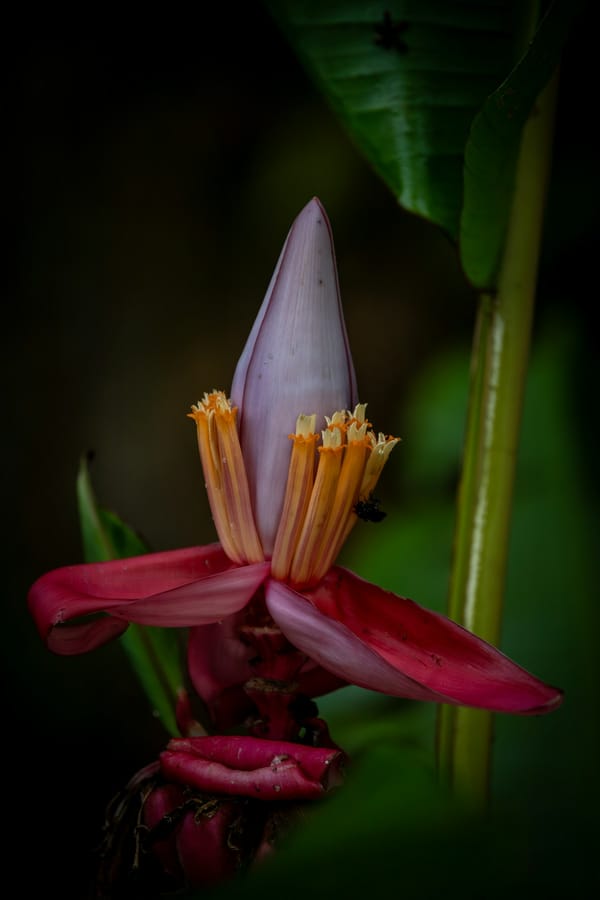
Fontainea picrosperma seed extract is not on Korea's generic functional ingredient list. A Korean manufacturer wishing to market an EBC-46 supplement domestically would have two practical options. The first is to sell it as a general food without functional claims, which avoids the HFF approval process but limits marketing language. The second is to submit a dossier under the individual recognition track, providing safety data, manufacturing standards, and human evidence of a defined functional benefit. Without a Korean dossier in place, blushwood berry extract supplements available in the country are typically sold as general dietary products or imported personally by consumers under MFDS's personal-use allowance.
Quality controls that translate across markets
Although the labelling framework varies, the underlying quality expectations are broadly consistent worldwide: documented manufacturing standards, batch identity and traceability, and independent verification of contaminants. Reference-quality suppliers in this category — for example, Blushwood Health — publish batch certificates from Eurofins Scientific covering heavy metals and microbiology, manufacture under GMP and ISO frameworks, and disclose extraction ratios on the label. These are the same kinds of documents a Korean MFDS dossier would draw on.
Imports and personal use
MFDS permits individuals to import limited quantities of overseas health foods for personal consumption, provided the items are not on Korea's restricted-ingredient list and do not carry unapproved therapeutic claims. The Korea Customs Service sets clearance thresholds and may require labelling translation for certain product categories. Buyers should check current personal-import limits before ordering, particularly for higher-value purchases.
What this tells overseas buyers
South Korea's framework illustrates a pattern visible across Asia-Pacific jurisdictions: botanical extracts without an established functional dossier are treated as conventional food when sold domestically and are subject to standard import rules when bought from abroad. The substance of consumer protection — manufacturing standards, contaminant testing, label accuracy — sits with the supplier rather than with claim-based regulation. This is consistent with how DSHEA operates in the United States and with the natural health product frameworks in Canada and New Zealand.
The disclaimer that travels with the product
Like other markets, MFDS does not permit therapeutic claims on supplement labels. Reputable brands sell EBC-46 blushwood berry extract supplements with the standard non-therapeutic disclaimer ("not intended to diagnose, treat, cure or prevent any disease") and do not make oncology claims. That posture aligns with Korean expectations and is one of the simpler ways to determine whether an overseas brand is operating responsibly.
Practical takeaway for buyers
For a Korean reader, the key questions are the same as for any market: does the supplier publish independent batch testing, do they manufacture under GMP, are extraction ratios disclosed, and do they avoid disease claims? Where those answers are yes, the buyer has the information needed to evaluate the product regardless of which regulatory framework labels it. Where any are no, the regulatory framework alone will not close the quality gap.
Related Articles
For comparison across regional frameworks, see our coverage of India's CDSCO and AYUSH frameworks and Japan's PMDA and Foods with Function Claims. For the underlying chemistry of the seed extract, see our complete guide to EBC-46 and tigilanol tiglate.
Citations
1. MFDS — Health Functional Food regulation, Ministry of Food and Drug Safety, accessed 2026.
2. Korea Customs Service — personal import allowances, accessed 2026.
3. Blushwood Health — independent batch testing, accessed 2026.
This article is for informational purposes only. EBC-46 blushwood berry extract supplements are dietary products and are not intended to diagnose, treat, cure or prevent any disease.