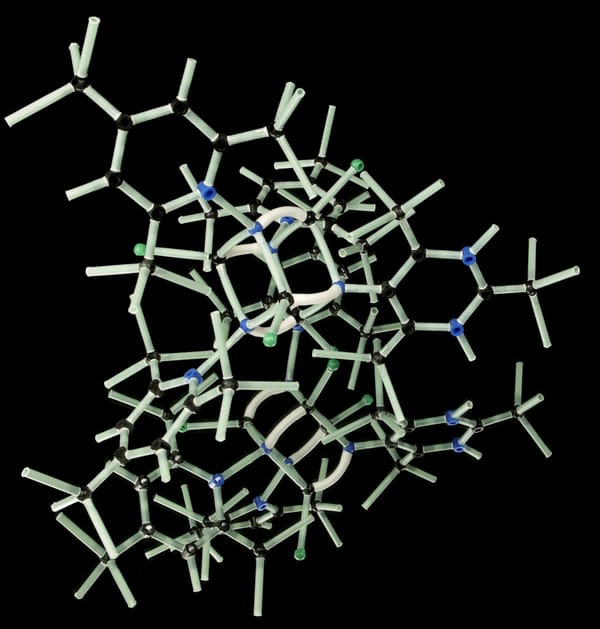
EBC-46 Regulatory Landscape 2026: From Veterinary Approval to Human Supplement Frameworks
An overview of the regulatory milestones for tigilanol tiglate, from Stelfonta veterinary approval to human clinical pathways and DSHEA supplement frameworks.

Global regulatory frameworks for botanical compounds continue to evolve as research into plant-derived molecules accelerates. For tigilanol tiglate — the lead compound found in blushwood berry seeds — regulatory milestones have already been achieved in veterinary medicine, and the pathway for human applications is becoming clearer in 2026.
Stelfonta: The Veterinary Precedent
The most significant regulatory achievement for tigilanol tiglate to date is FDA approval of Stelfonta in November 2020. This conditional approval for the treatment of non-metastatic canine mast cell tumours represented the first regulatory endorsement of a tigilanol tiglate-based product anywhere in the world. The European Medicines Agency followed with its own conditional marketing authorisation, broadening access across EU member states.
QBiotics Group, the developer behind Stelfonta, has continued to accumulate post-market data. Veterinary oncologists have reported favourable response rates in clinical practice settings, reinforcing the original trial data. The QBiotics pipeline now includes human-focused programmes targeting solid tumours and dermatological conditions.
Human Regulatory Pathways
For human applications, tigilanol tiglate is being investigated under standard Investigational New Drug (IND) frameworks. Phase I safety data has been reported, with dose-escalation studies establishing initial tolerability profiles for the injectable pharmaceutical form. Any future human pharmaceutical approval would require the standard progression through Phase II efficacy and Phase III confirmatory trials.
It is important to distinguish between the pharmaceutical regulatory pathway — which applies to injectable tigilanol tiglate as a drug — and the dietary supplement framework under FDA Dietary Supplement Health and Education Act (DSHEA). Blushwood berry extract supplements are marketed under DSHEA, the established legal framework governing botanical dietary supplements in the United States. Under DSHEA, supplements do not require pre-market approval; instead, manufacturers are responsible for ensuring product safety and accurate labelling.
TGA and International Frameworks
Australia's Therapeutic Goods Administration (TGA) regulates therapeutic products through a risk-based classification system. Pharmaceutical-grade tigilanol tiglate falls under prescription medicine regulations. Dietary supplements — referred to as "complementary medicines" in Australia — are regulated separately under the ARTG listed medicines pathway, which requires compliance with GMP and evidence-based indications.
The European Food Safety Authority (EFSA) takes a similarly structured approach, evaluating novel food ingredients through its safety assessment framework. As global interest in blushwood berry compounds grows, multiple regulatory bodies are building their evidence base. Brands such as Blushwood Health operate within the DSHEA framework, maintaining GMP compliance and independent third-party testing as the foundation of product quality.
Related Articles
For more on this topic, see our complete guide to EBC-46 and tigilanol tiglate and our coverage of Fontainea picrosperma as the botanical source of EBC-46.